
Service
Biopsies for oral pathologies in Gloucester
When an abnormal area appears in your mouth, Dr. Brian Leland performs biopsies to determine the cause. At our practice in Gloucester, we evaluate soft tissue and bone pathologies. This procedure provides a clear diagnosis so you can move forward with the right care plan.
What an oral biopsy can tell you
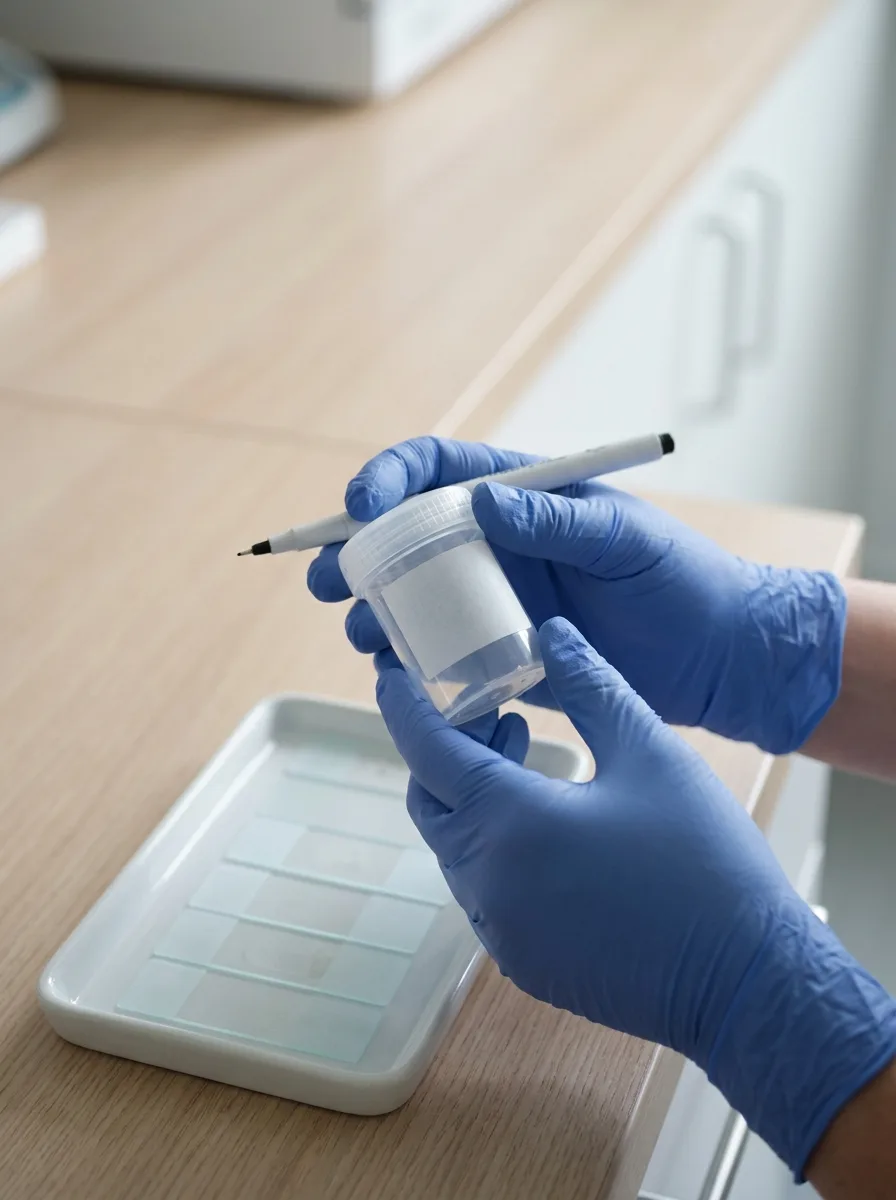
An oral biopsy removes a sample of tissue for examination by a pathology laboratory. It can help explain an unusual patch, ulcer, lump, or change involving soft tissue or bone. The procedure is a diagnostic step: its purpose is to obtain information that guides care, rather than to assume the change is cancer or promise that sampling alone will resolve it.
A pathologist examines the sample and reports findings that are interpreted alongside your symptoms and examination. Some conditions look similar in the mouth but have different causes. Occasionally a result needs further clinical review, another sample, or specialist input. The significance of a biopsy comes from the complete assessment, not simply from having tissue removed.
Changes that deserve a closer look
A dentist may recommend sampling when an area persists, has an unusual appearance, changes over time, or cannot be explained confidently during examination. Many oral changes are benign, but appearance alone may not settle the diagnosis. An irritating denture or sharp tooth can also contribute to a sore; the team decides whether observation after addressing irritation is appropriate or investigation should proceed promptly.
- Arrange assessment for a mouth sore or red or white patch lasting more than two weeks, even when it is painless.
- Mention a new lump, persistent unexplained bleeding, numbness, or difficulty moving your tongue or jaw.
- Describe changes in size, color, texture, or sensation rather than waiting for the area to become painful.
Information that affects sampling
The position and size of the area, its appearance, and your medical history influence how a biopsy is planned. Soft-tissue sampling and investigation of a bone lesion may require different approaches. Tell the team about bleeding problems, medicines, allergies, and previous diagnoses. A biopsy may still be possible with these factors, but preparation and the choice of setting can change.
- Bring a complete medicine list, including blood thinners and supplements; do not discontinue them without coordinated instructions.
- Explain when the change first appeared and whether it healed, recurred, or followed an injury or dental treatment.
- Mention tobacco or alcohol exposure and previous oral lesions without assuming that their absence rules out the need for investigation.
Timing and preparation for your visit
Persistent unexplained changes should be evaluated promptly. The dentist will explain whether a biopsy is needed now, whether a defined period of observation is reasonable, or whether specialist assessment should come first. Rapid swelling, difficulty breathing or swallowing, or bleeding that cannot be controlled requires urgent medical attention rather than waiting for a routine sampling appointment.
Before the procedure, clarify the type of anesthesia, what preparation applies, and how results will be communicated. Fasting and an escort are not universal requirements for a small biopsy under local anesthesia, but may be necessary if sedation is planned. Ask for instructions suited to your appointment and confirm whom to contact if the area changes before treatment.
Examination and the pathology process
Evaluation includes inspection and palpation of the area, relevant dental and medical history, and assessment of nearby tissues. Imaging may help when bone or deeper structures are involved. The clinician selects a representative site and explains why a partial sample or removal of a small lesion is being considered. Complex sites or concerning findings may require specialist involvement.
- Ask whether the sample will include part of the lesion or the whole visible area and what this means for healing.
- Confirm how and when you should expect an update, recognizing that laboratory processing and further tests can vary.
- Arrange a review to discuss the report; contact the team if the expected update has not arrived rather than assuming silence means a normal result.
Sampling choices and possible next steps
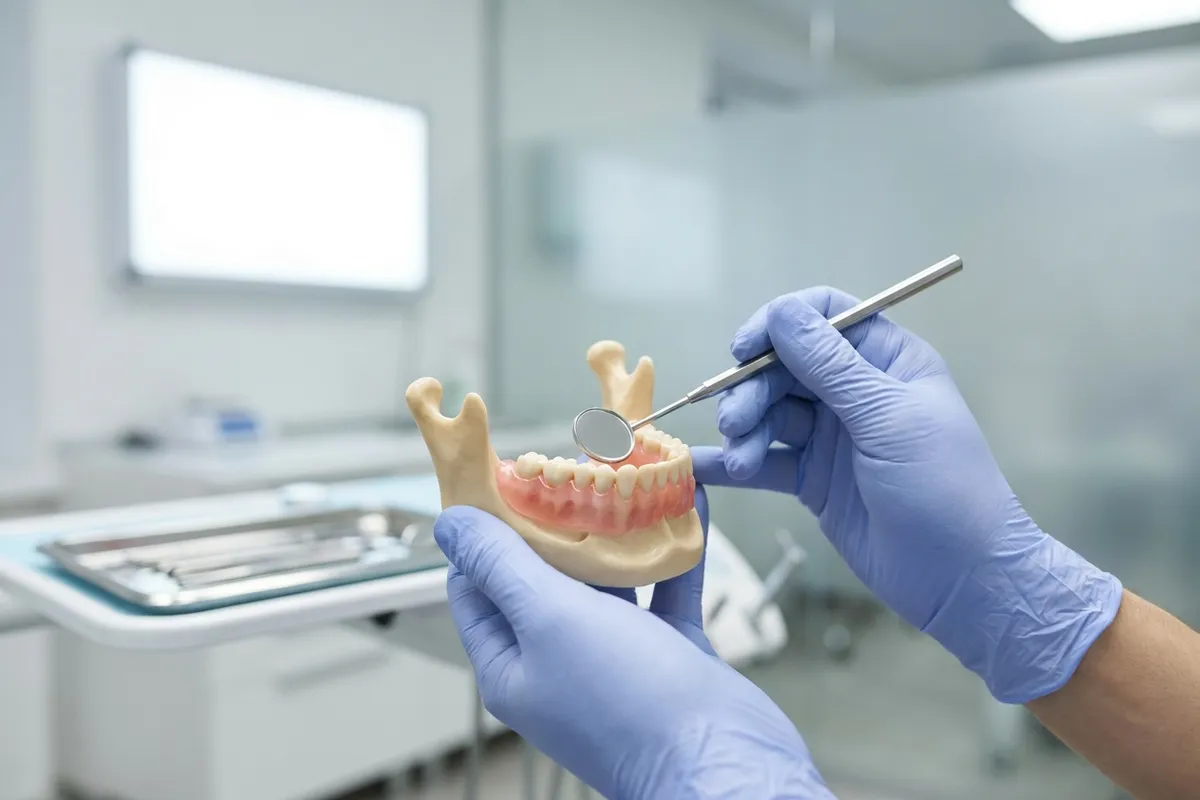
An incisional biopsy takes part of an area, while an excisional biopsy removes a small lesion when appropriate. The choice depends on size, location, and the suspected diagnosis. Local anesthesia is commonly used, and stitches may be needed. Discomfort, bleeding, infection, scarring, or altered sensation are possible risks whose relevance varies with the site.
Observation, treatment of a suspected irritant, or another investigation may be reasonable in selected circumstances. These alternatives need a clear review plan so a persistent change is not forgotten. A benign report may still require treatment or monitoring; another diagnosis may lead to referral and additional testing. A biopsy should not be described as complete cancer treatment or a guarantee that no further care will be needed.
Healing and reviewing the findings
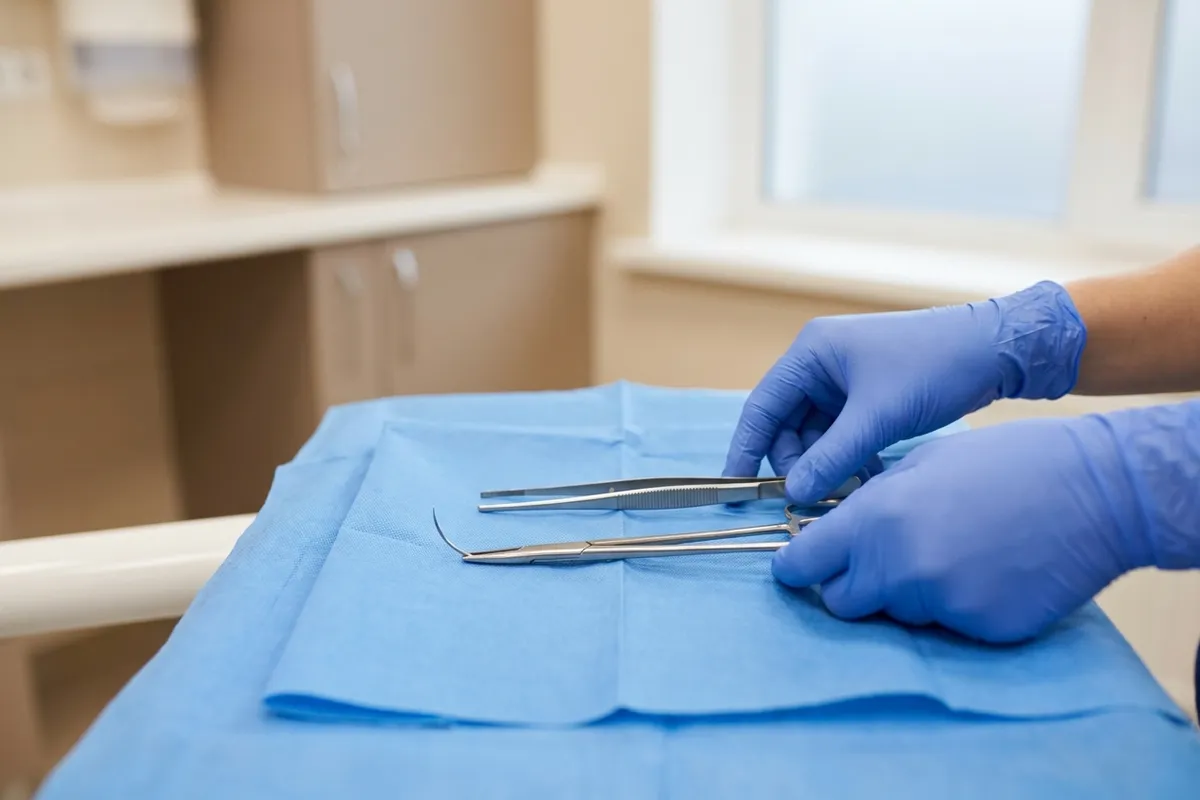
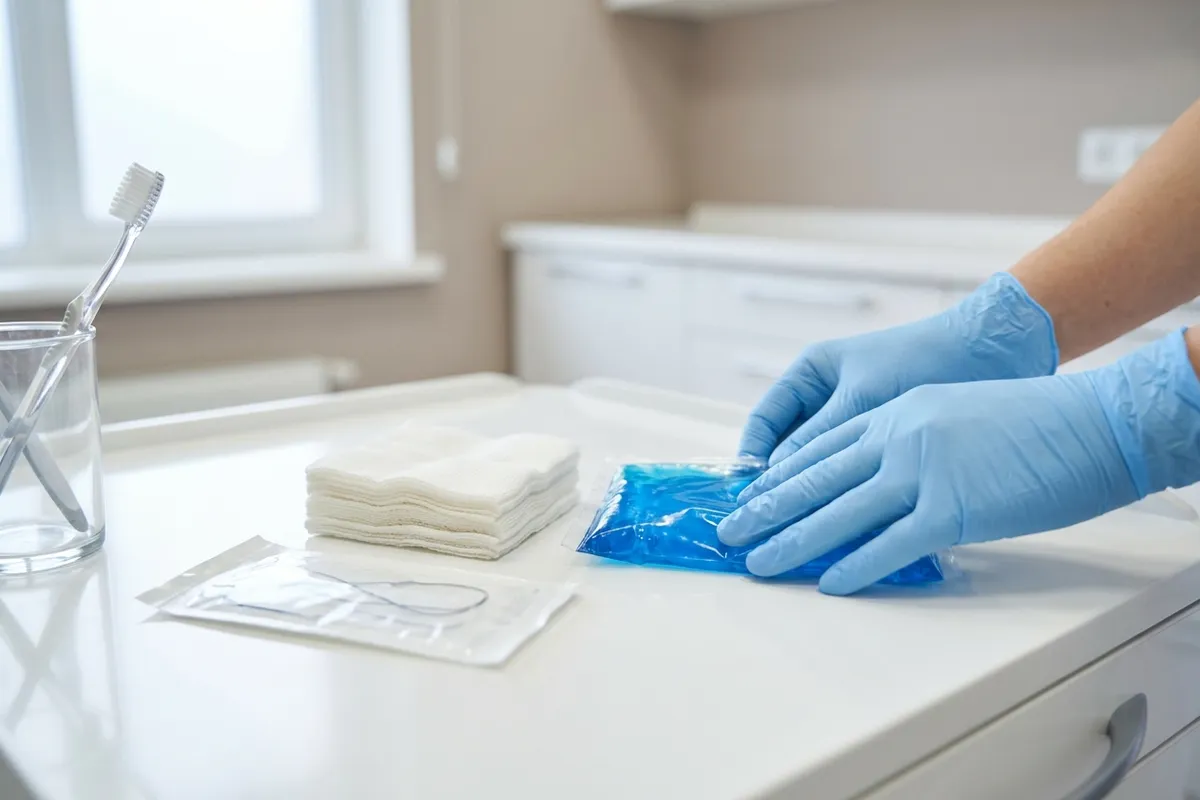
The team supplies instructions for eating, cleaning, pain management, and any stitches. Avoid biting a numb lip or cheek, and protect the biopsy site from hard foods or direct trauma while it heals. The review includes both the wound and the pathology findings, so attend even if discomfort has settled.
- Use the cleaning and bleeding-control measures given for your biopsy site; do not scrape or repeatedly disturb the wound.
- Contact the treating team for increasing pain, swelling, fever, discharge, or persistent bleeding despite the recommended measures.
- Report a lesion that returns, grows, or remains unexplained after the result; additional assessment can be necessary even after an earlier biopsy.
An oral biopsy, step by step
- 1
Examine the area needing diagnosis
Explain when the change appeared and whether it has grown, bled or become sore. The clinician discusses whether sampling, observation or referral is appropriate.
- 2
Take a sample for examination
When a biopsy is indicated, the sampling method and anesthesia are explained. Tissue is sent for laboratory assessment, with wound-care instructions for the biopsy site.
- 3
Discuss the result and next steps
Confirm how and when results will be shared. A review connects the laboratory findings with the examination and explains any further treatment or referral.
Services
Other treatments we offer

Questions about this treatment
Schedule your visit in Gloucester
Leland Dentistry & Implants opens in January 2027. Use our online form to request a consultation with Dr. Brian Leland.
About us
Why patients choose Leland Dentistry
Dr. Brian Leland teaches other dentists how to place dental implants.
Board-certified expertise
Dr. Leland is a Diplomate of the American Board of Oral Implantology.
Advanced treatments & restorations
From 3D-printed same-day single teeth to full-mouth solutions, our office utilizes the most cutting-edge technology to deliver restored smiles.
Clear communication
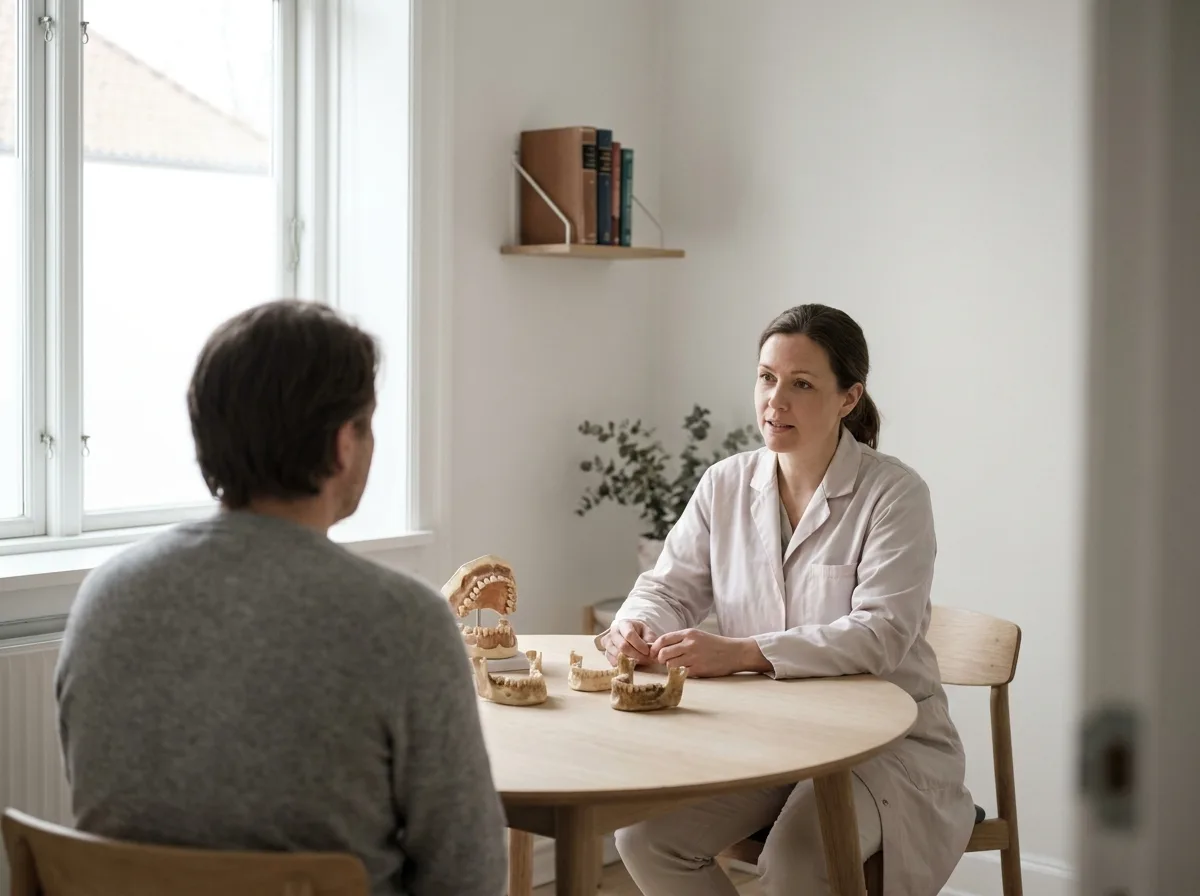
Your treatment plan is explained in plain English or in conversational Mandarin Chinese.
Visit us
We're waiting for you in Gloucester
76 Prospect St
Gloucester, MA 01930