
Service
IV sedation in Gloucester
IV sedation can help you feel calmer during longer or more involved dental treatment. Its depth and effects vary, so the team reviews your health and explains the planned sedation, monitoring, preparation, and recovery. Local anesthesia is also used when needed to numb the treatment area.
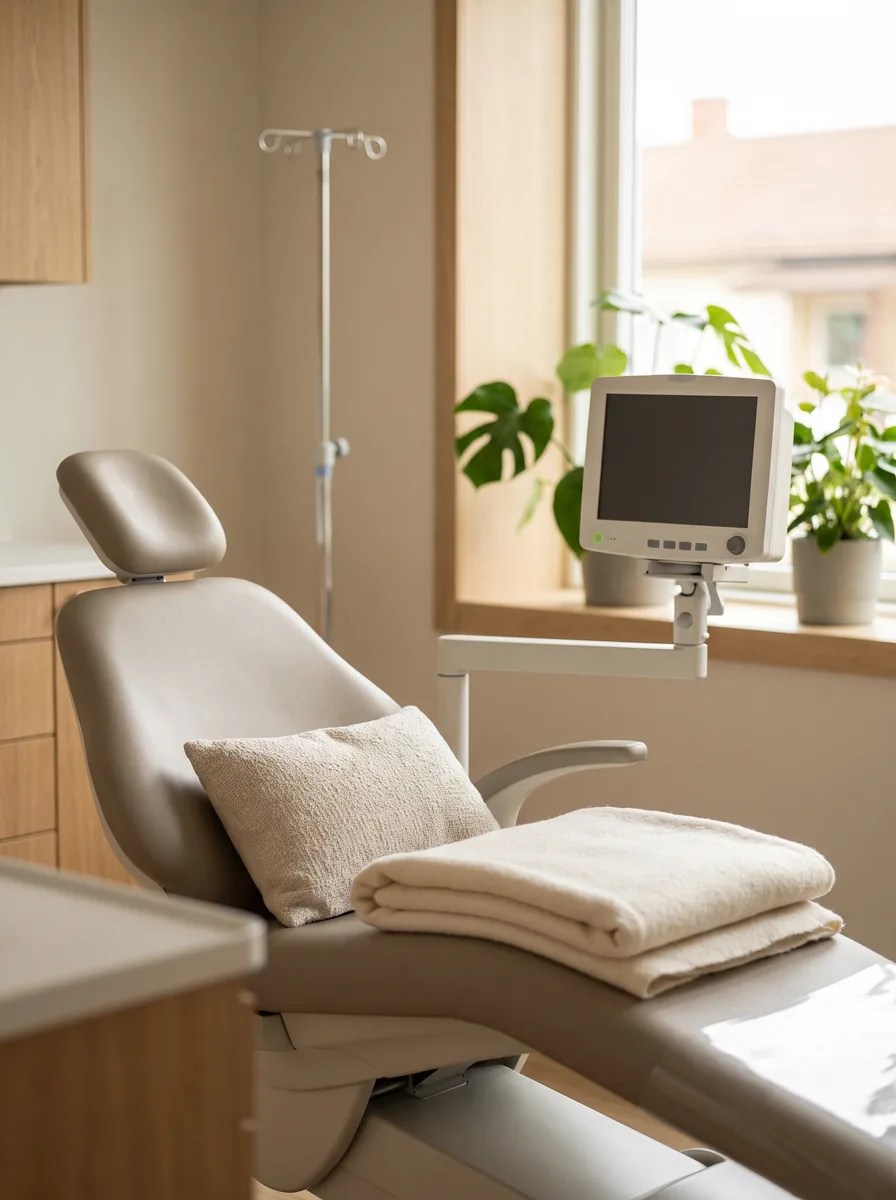
Understanding intravenous sedation
Intravenous sedation uses medicine delivered through a small line in a vein to reduce anxiety and awareness during dental treatment. Its effects vary with the medicine, dose, and individual response. Sedation ranges in depth and is distinct from local anesthesia, which numbs the treatment area. The team should explain the intended level and how comfort and safety will be managed.
Moderate sedation often allows a patient to respond purposefully, but deeper effects can occur and may affect breathing. Monitoring and the ability to manage a change in sedation depth are therefore essential. You may remember less of the appointment, but complete amnesia is not guaranteed. Sedation does not replace discussion of the procedure or informed consent beforehand.
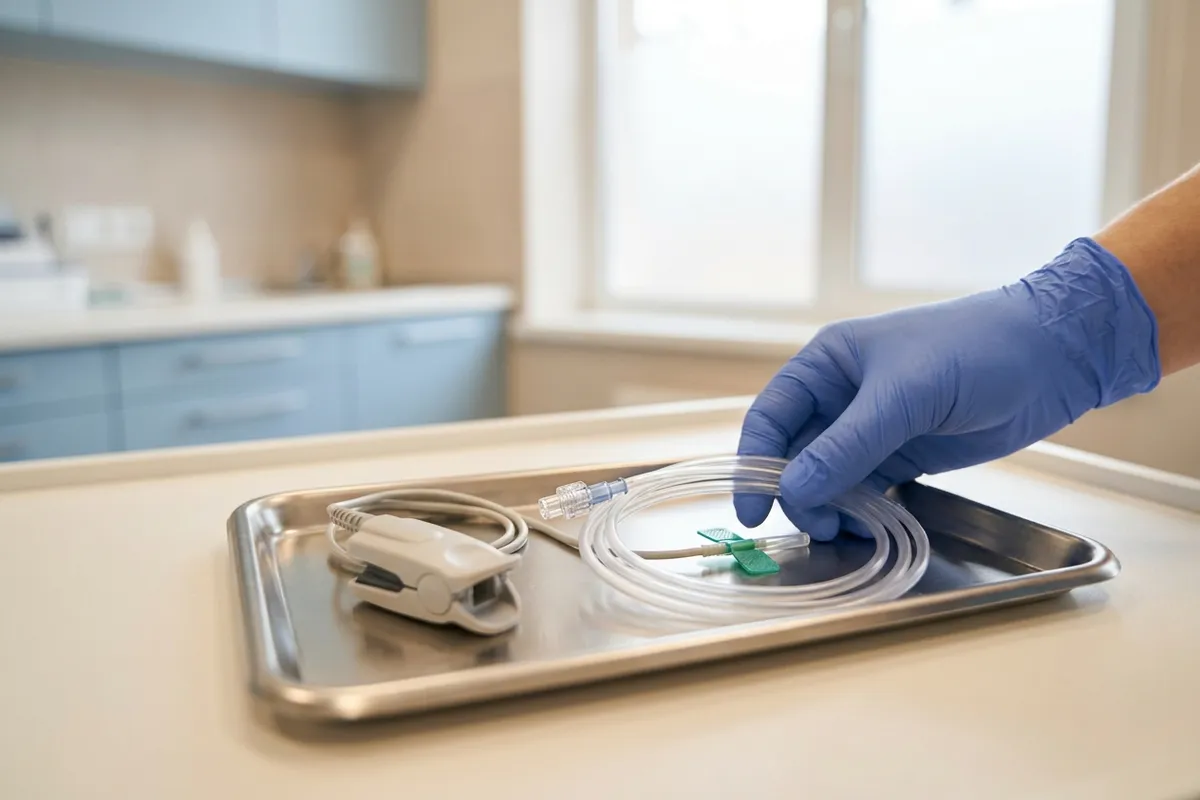
When sedation may support treatment
Sedation may be considered for significant anxiety, difficulty tolerating a procedure, or longer surgical treatment. The decision takes account of both the dental work and the patient's health. Needing an extraction or implant does not automatically mean sedation is necessary. An anxiety discussion can also identify practical measures that make treatment easier without medicines.
- Explain what made earlier visits difficult, including panic, gagging, or a distressing experience, so the plan addresses the actual concern.
- Ask whether a longer procedure can be divided into shorter appointments if that would make treatment manageable.
- Compare the expected benefit of sedation with its preparation, recovery, and transport requirements before choosing it.
Health factors that influence suitability
Medical history helps determine whether sedation is appropriate and where it should be provided. Sleep apnea, breathing or heart conditions, pregnancy, previous anesthesia problems, and medicines or substances that cause drowsiness are particularly relevant. Additional medical information or a different care setting may be needed. Do not assume a previous uneventful sedation establishes suitability for every later appointment.
- Report sleep apnea, heavy snoring, use of a breathing device, and any previous difficulty with anesthesia or sedation.
- List prescription medicines, supplements, alcohol, cannabis, and other substance use accurately because interactions can affect sedation.
- Notify the team of a new respiratory illness or change in health before the appointment so proceeding can be reconsidered.
Preparing before the treatment day
Follow the team's exact instructions about eating, drinking, and medicines. Requirements depend on the planned sedation and your health; there is no single fasting schedule appropriate for everyone. Do not independently stop prescribed medicines, and ask about any instruction that conflicts with your medical care. If you have eaten or drunk outside the instructions, tell the team rather than hiding it.
Arrange a responsible adult to accompany you home and provide the support specified by the team. Public transport alone or driving yourself is not a suitable recovery plan. Discuss work, caregiving, and other responsibilities in advance so you can follow the restrictions after treatment. Consent and important treatment decisions should be completed before sedating medicines are given.

What the pre-sedation assessment covers
Assessment reviews the planned procedure, medical and dental history, medicine use, and previous responses to anesthesia. The clinician may assess your airway and baseline observations and obtain further medical advice when indicated. The team explains the intended sedation depth, monitoring, recovery criteria, and what alternatives are available. These discussions should happen early enough to resolve concerns before the treatment day.
- Ask who will administer sedation and who will monitor you, and request an explanation of their roles.
- Confirm how breathing, oxygen levels, circulation, and responsiveness will be observed during the procedure.
- Review the discharge instructions with your accompanying adult so both of you understand when to seek help.

Comfort options and what happens during sedation
Local anesthesia with communication and breaks may be sufficient for some patients. Other forms of sedation or treatment in a different setting may be considered when appropriate. IV sedation allows medicines to be adjusted during the appointment, but it involves needle placement and a recovery period. The right choice follows assessment rather than the procedure's name alone.
During treatment, the team observes your response and adjusts care as needed. Local anesthesia usually remains part of pain control. Sedation has risks, including altered breathing, changes in blood pressure, nausea, and medicine reactions; these should be discussed for your circumstances. If planned office care is unsuitable, referral can provide a setting better matched to medical needs or the required level of anesthesia.
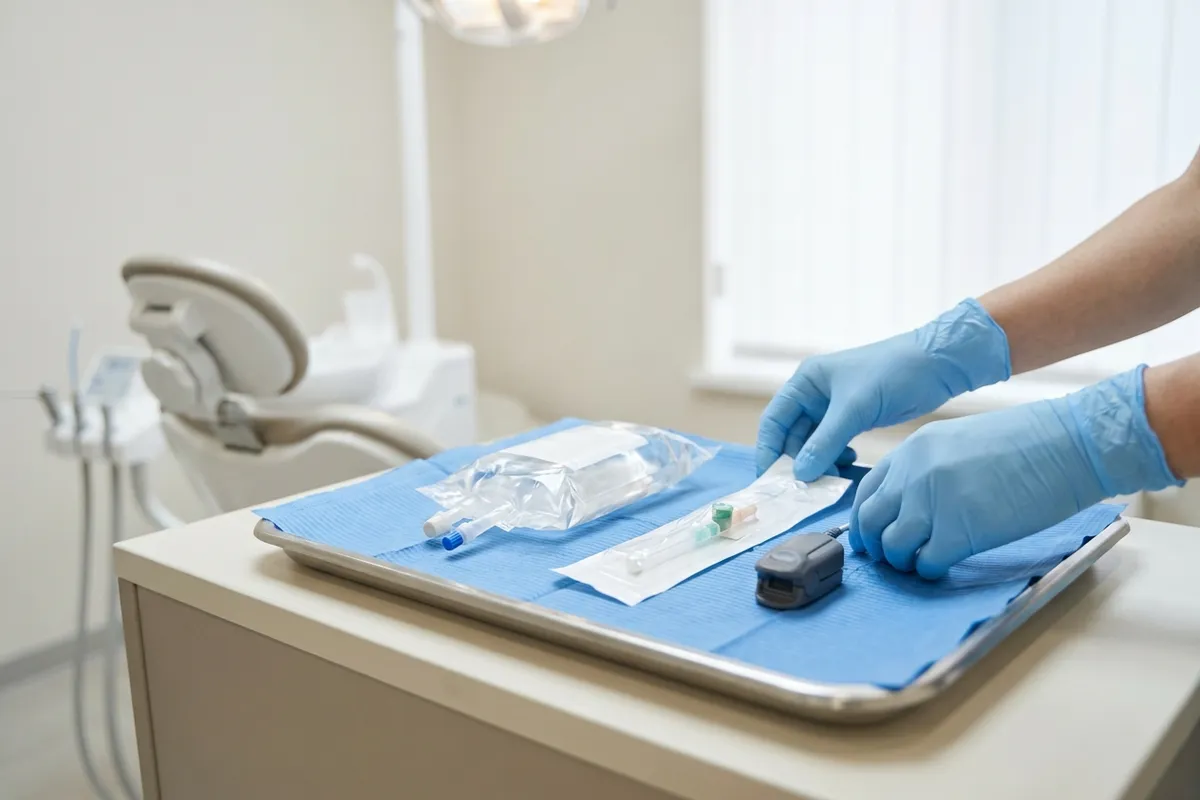
Recovery and safe return to activities
Recovery continues after you leave the chair. Feeling alert does not necessarily mean coordination and judgment have returned. Follow the written restrictions on driving, machinery, alcohol, work, and important decisions for the period specified by the team. Recovery time varies, and dental surgical aftercare remains necessary in addition to sedation precautions.
- Stay with the responsible adult and follow the eating, drinking, and medicine instructions provided at discharge.
- Contact the team about persistent vomiting, unexpected drowsiness, or recovery that differs from the explained course.
- Difficulty breathing, inability to wake normally, or collapse requires emergency medical help immediately; the accompanying adult should know how to respond.

IV sedation, step by step
- 1
Review sedation suitability
Discuss health conditions, medicines, previous anesthesia experiences and the dental procedure. The assessment determines whether IV sedation and the proposed care setting are suitable.
- 2
Prepare and receive monitored sedation
Follow the team's specific preparation instructions and arrange an escort as directed. During treatment, sedation medicines and monitoring follow the agreed anesthesia plan.
- 3
Meet discharge criteria and recover
You are assessed before discharge and receive instructions for your escort and recovery. Follow restrictions on driving and other activities until the treating team advises it is safe.
Services
Other treatments we offer



Questions about this treatment
Schedule your visit in Gloucester
Leland Dentistry & Implants opens in January 2027. Use our online form to request a consultation with Dr. Brian Leland.
About us
Why patients choose Leland Dentistry
Dr. Brian Leland teaches other dentists how to place dental implants.
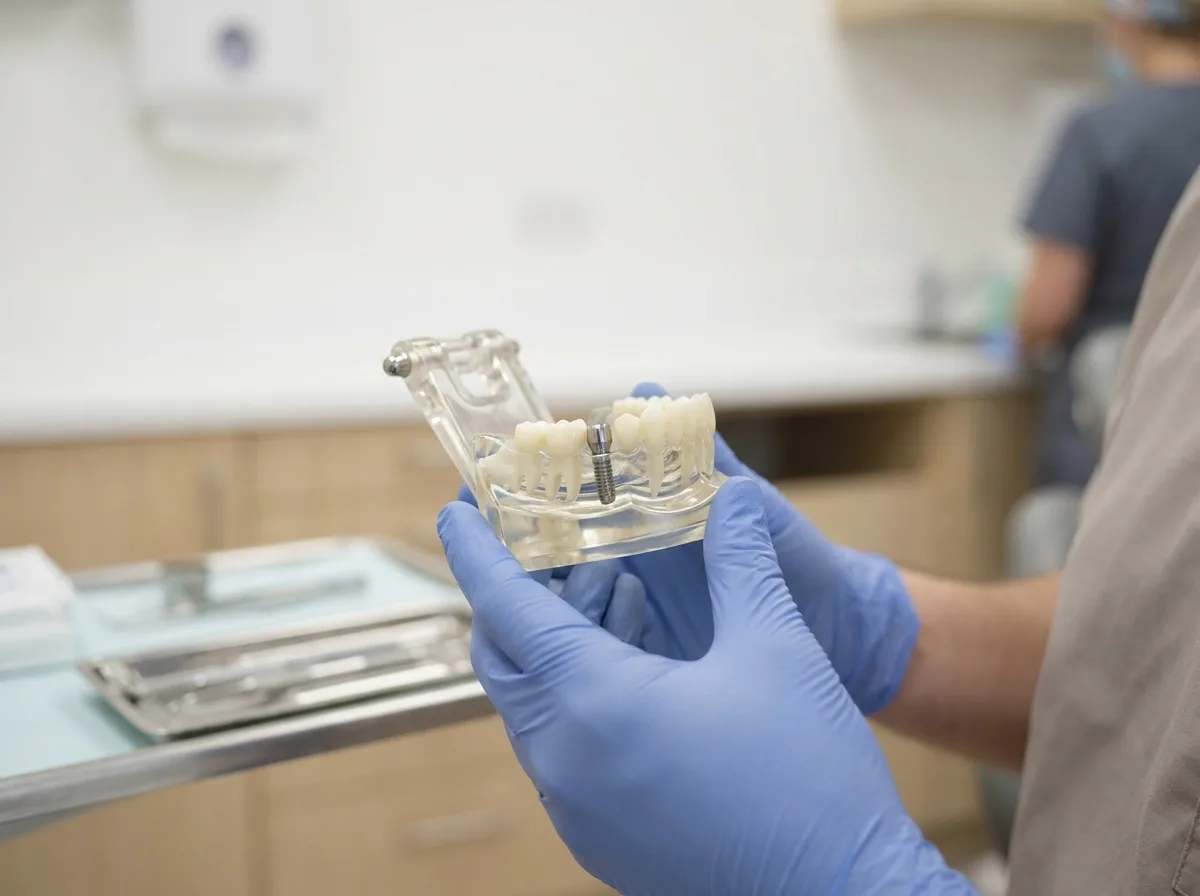
Board-certified expertise
Dr. Leland is a Diplomate of the American Board of Oral Implantology.
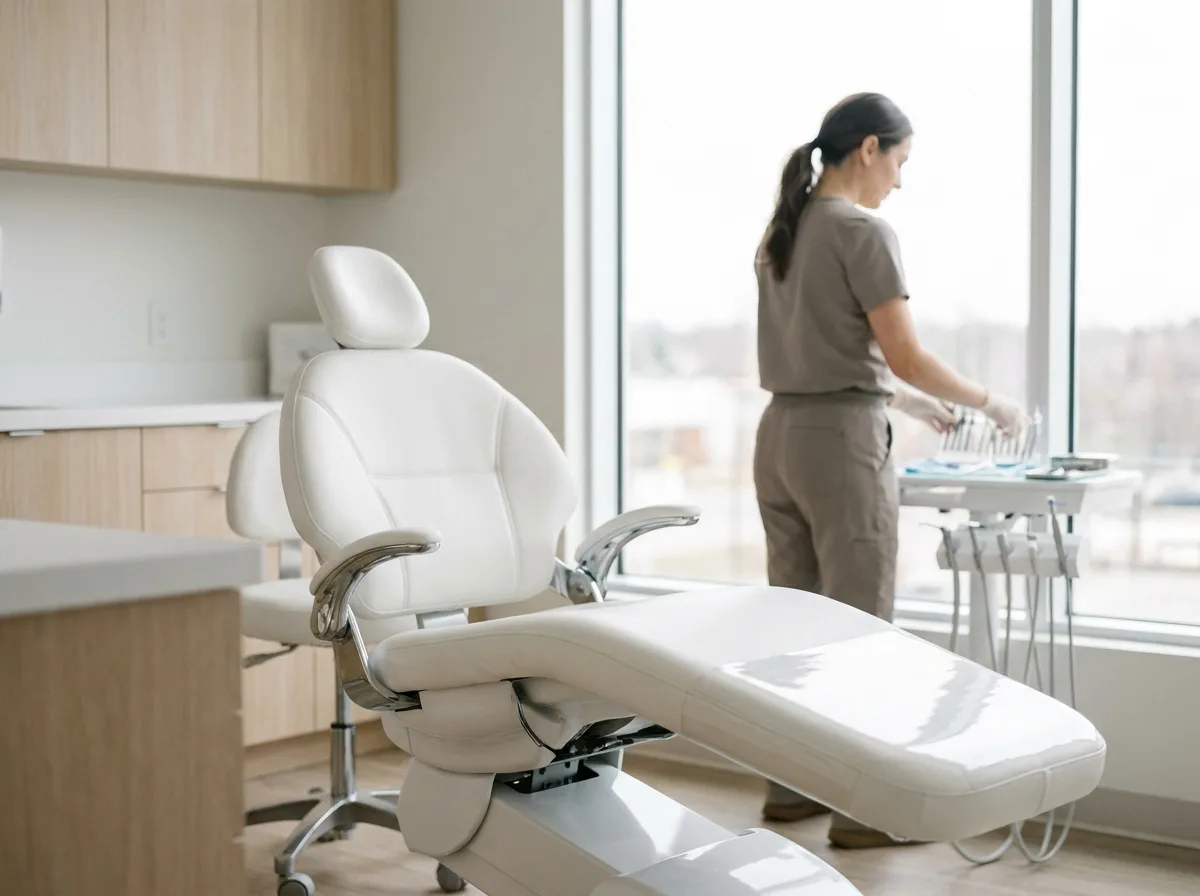
Advanced treatments & restorations
From 3D-printed same-day single teeth to full-mouth solutions, our office utilizes the most cutting-edge technology to deliver restored smiles.

Clear communication
Your treatment plan is explained in plain English or in conversational Mandarin Chinese.
Visit us
We're waiting for you in Gloucester
76 Prospect St
Gloucester, MA 01930