
Service
Gum grafting in Gloucester
Receding gums expose the root of the tooth, which can be sensitive and more prone to decay. A gum graft covers the root and rebuilds the gum line.
Understanding gum grafting
A gum graft may cover an exposed root or improve the amount of protective tissue around a tooth in selected cases. It is considered after evaluating the cause of recession and the surrounding tissues. The procedure can have functional and cosmetic goals, but complete coverage is not guaranteed in every site.
A gum graft adds tissue at a site affected by recession or limited gum coverage. The goal may be protecting an exposed root, improving tissue support, or addressing appearance and sensitivity. It is different from cleaning treatment for gum disease. Ask which objective applies to your site and how much root coverage is realistically expected from the proposed approach.
Why Recession Matters
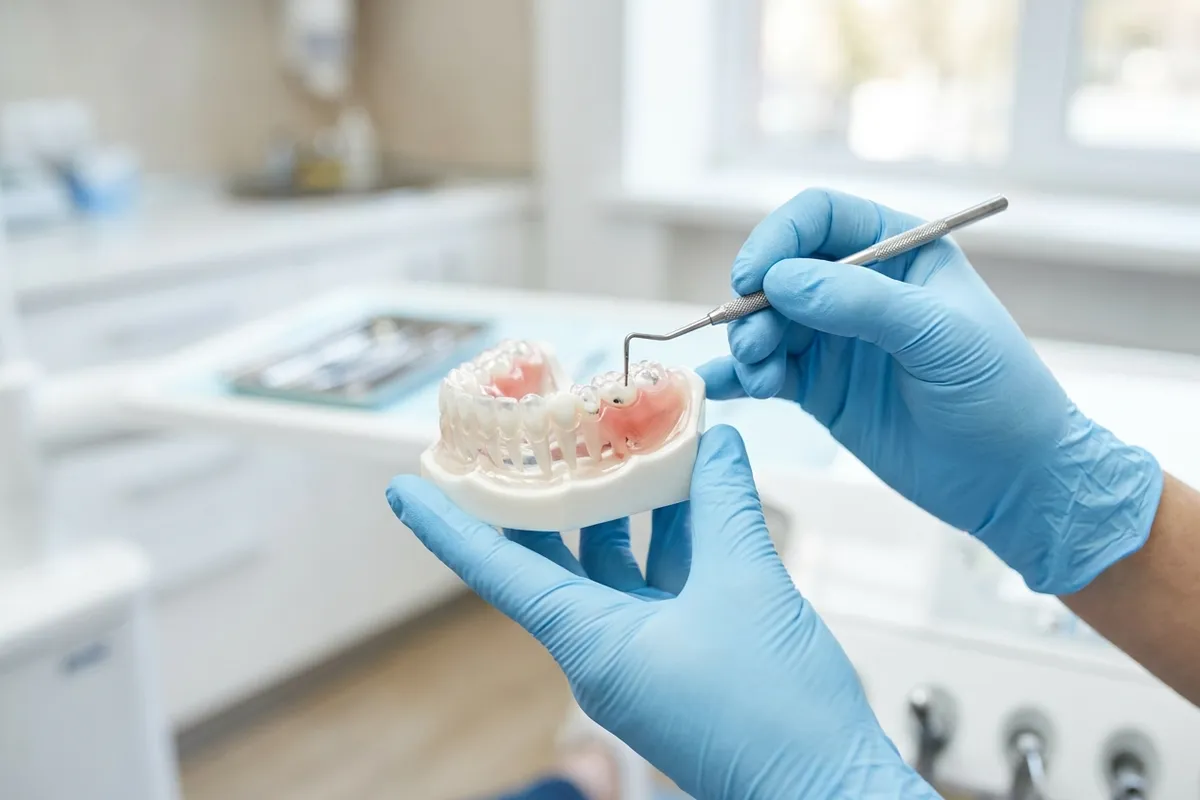
When gums recede, the root may become sensitive or harder to clean and can be more vulnerable to decay. Recession can relate to several factors, including tissue anatomy, brushing habits, and periodontal disease. Addressing the cause and supporting daily care is part of the plan rather than relying on surgery alone.
An exposed root may become sensitive or difficult to maintain, but not every recessed area needs surgery. The dentist considers the extent of recession, surrounding tissues, and changes over time. A graft is more useful when its purpose is clearly identified. Discuss whether the concern is ongoing tissue loss, cleaning difficulty, discomfort, appearance, or a combination before comparing treatments.
- Recession can expose a root, creating sensitivity or cleaning difficulties even when the tooth itself has no large cavity.
- A graft may improve tissue thickness or coverage in selected areas, but complete root coverage is not guaranteed in every situation.
- The cause of recession matters; aggressive brushing, tissue anatomy, tooth position, or periodontal disease may call for different additional care.
Changes to Discuss
Mention teeth that look longer, temperature sensitivity, a visible root, or changes in the gumline. Tell the treating team about previous periodontal care, brushing technique, and any tobacco use. Not every receded area needs a graft, and pain or a changing gumline should be assessed for other causes as well.
Tell the treating clinician about smoking, previous periodontal treatment, and any health or medicine factors affecting healing. The condition of the recipient site and the cause of recession influence planning. Cleaning technique may need adjustment before surgery. A graft cannot by itself solve every contributor to tissue loss, so suitability includes whether you can protect and maintain the area afterward.
- Describe root sensitivity, changing gum levels, and difficulty cleaning, and mention any previous orthodontic or periodontal treatment.
- Discuss smoking, diabetes, medicines, and healing history because these can influence whether surgery is appropriate and how recovery is planned.
- Ask whether nonsurgical sensitivity management or improved brushing could address your concern, and which benefit a graft is expected to add.
When Grafting Is Considered
Treatment may be discussed when recession affects comfort, cleaning, tissue stability, or appearance. Active disease and contributing habits may need attention first. Healing and any later restorative work must be coordinated. Timing follows the findings and goals, rather than assuming surgery is necessary for every exposed root.
Assessment for gum grafting
The dental team examines gum levels, tissue thickness, supporting bone, inflammation, and the affected tooth. The assessment helps explain what coverage or protection is realistic and whether a periodontal specialist should be involved. The dental team also discuss nonsurgical care, sensitivity management, and the risks of leaving or treating the area.
- The clinician measures recession and reviews tissue thickness, tooth position, attachment, and the overall periodontal condition.
- The technique may use your own tissue or another appropriate material; discuss the source and any additional donor-site care.
- Planning includes realistic coverage goals, risks, preparation, and whether a periodontist should assess or provide the procedure.
Graft Options and Procedure
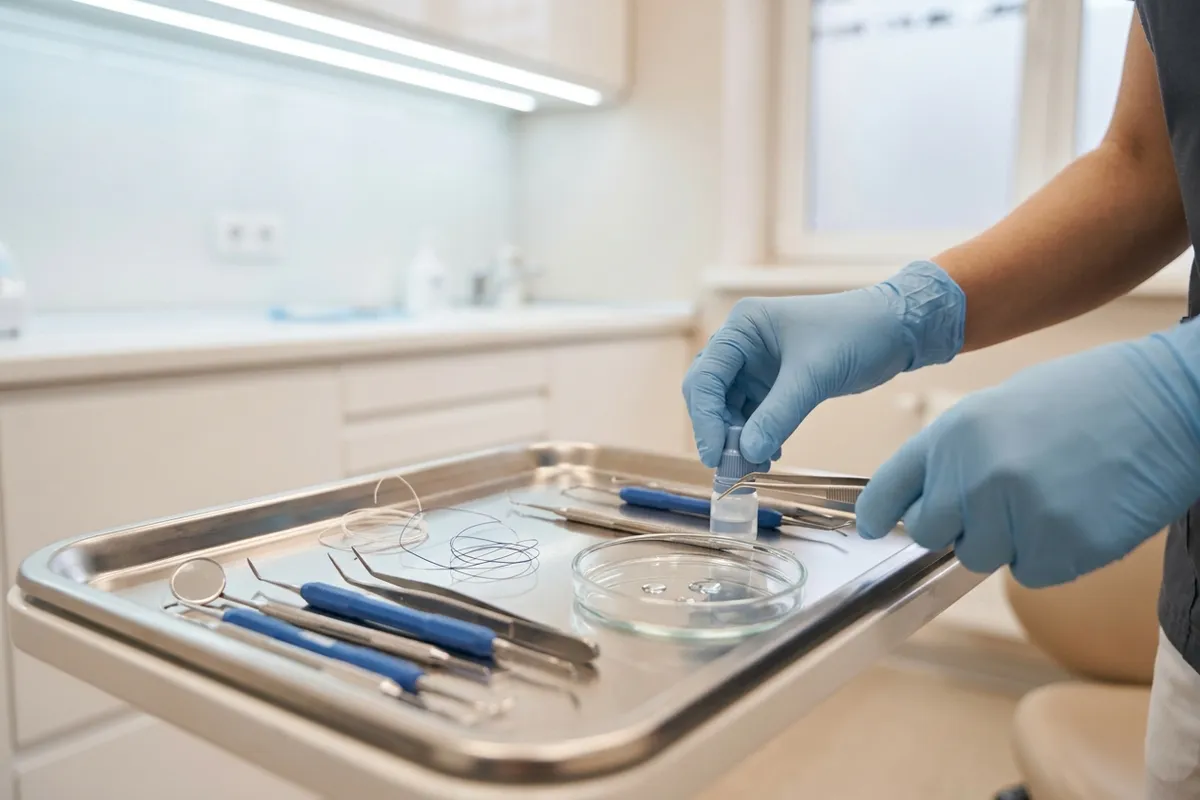
The technique and tissue source depend on the site and treatment goal. Tissue may come from your own mouth or another suitable source. The dental team explains the proposed approach and comfort measures, including any donor-site care. A graft must be positioned and protected while the tissues heal.
Some grafts use tissue from your palate, while others use another appropriate source. Ask whether a second healing site would be involved and what each option is intended to achieve. Monitoring, sensitivity management, or changes to brushing may suit selected areas. The choice should account for the recession pattern and expected benefit, without promising complete coverage of every exposed root.
Recovery and Maintenance
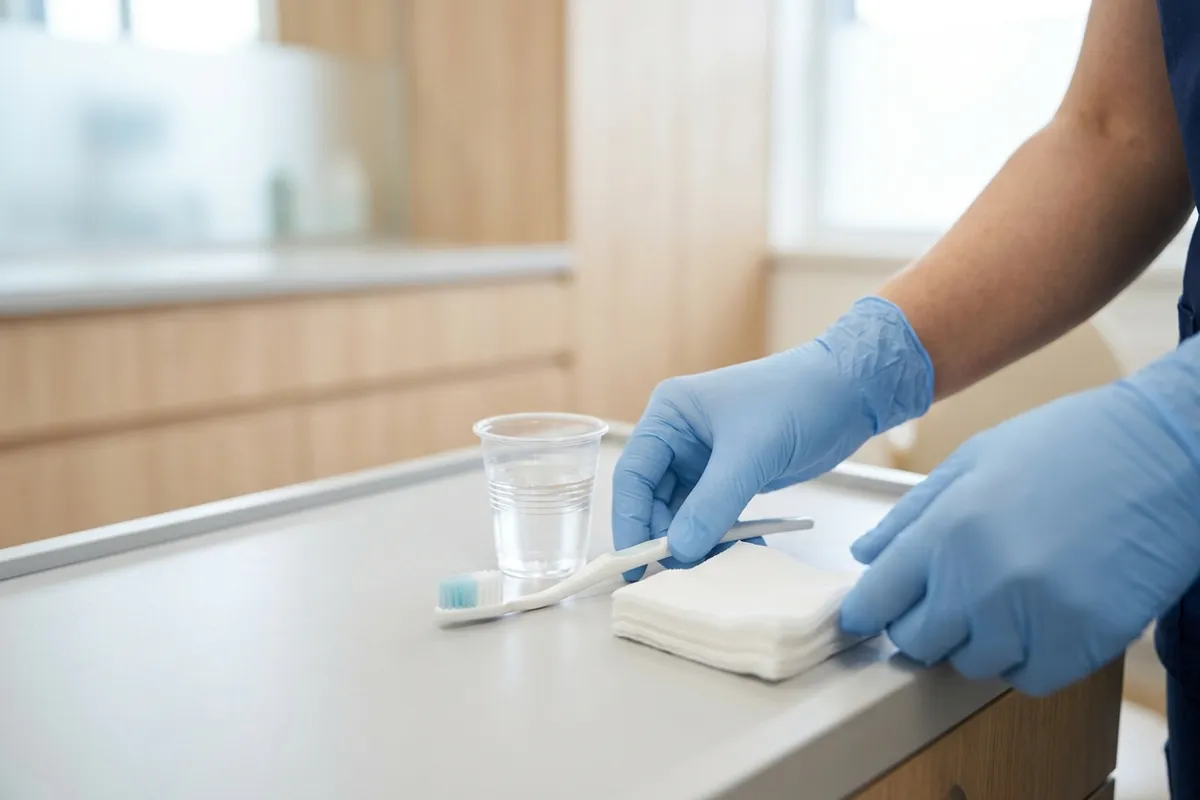
Follow instructions for food, cleaning, and avoiding trauma to the graft and any donor site. Attend healing reviews before returning to normal cleaning in the area. Report worsening pain, swelling, or bleeding. Gentle daily care and management of contributing factors remain important because recession can recur or develop elsewhere.
Follow the graft-specific instructions about brushing, chewing, and keeping pressure away from the healing tissue. If tissue came from your palate, that area also needs its own care. Do not pull the lip repeatedly to inspect the graft. Keep reviews of both healing and longer-term tissue stability, and contact the surgeon about persistent bleeding or unexpected changes at either site.
- Protect the graft from pulling, rubbing, and other disturbance, and follow the specific cleaning instructions during early healing.
- Follow separate instructions for a donor site if tissue was taken from your mouth; discomfort and cleaning needs may differ between sites.
- Return for healing and maintenance reviews, and continue gentler brushing techniques advised to reduce ongoing trauma to the treated area.
Gum grafting, step by step
- 1
Assess recession and graft options
The clinician reviews exposed roots, tissue thickness and contributing factors. Discuss whether grafting is appropriate, possible tissue sources and realistic coverage expectations.
- 2
Place and protect the graft
If you proceed, the selected tissue is positioned using the planned technique. Instructions cover protection of the graft and any donor site during early healing.
- 3
Check healing and long-term care
Attend recommended reviews before resuming cleaning in the treated area as directed. Longer-term care addresses the factors behind recession as well as the healed graft.
Services
Other treatments we offer

Questions about this treatment
Schedule your visit in Gloucester
Leland Dentistry & Implants opens in January 2027. Use our online form to request a consultation with Dr. Brian Leland.
About us
Why patients choose Leland Dentistry
Dr. Brian Leland teaches other dentists how to place dental implants.
Board-certified expertise
Dr. Leland is a Diplomate of the American Board of Oral Implantology.
Advanced treatments & restorations
From 3D-printed same-day single teeth to full-mouth solutions, our office utilizes the most cutting-edge technology to deliver restored smiles.

Clear communication
Your treatment plan is explained in plain English or in conversational Mandarin Chinese.
Visit us
We're waiting for you in Gloucester
76 Prospect St
Gloucester, MA 01930