
Service
Wisdom Teeth Removals and Coronectomies in Gloucester
At Leland Dentistry & Implants in Gloucester, MA, Dr. Brian Leland performs wisdom teeth removals and partial wisdom teeth treatments, known as coronectomies. Opening in January 2027, our practice focuses on surgical precision. You receive clear guidance on whether your third molars require full extraction or a partial approach.
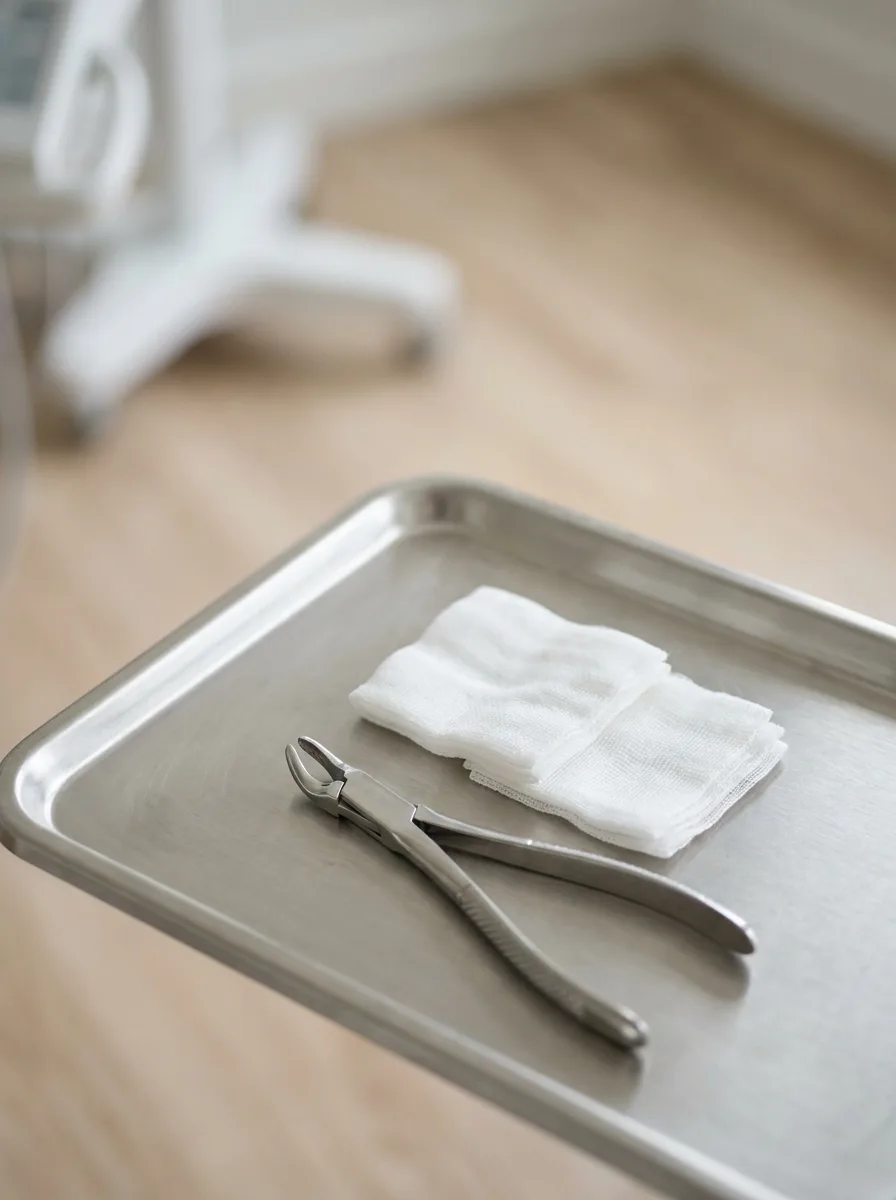
Understanding wisdom tooth treatment
Wisdom teeth are the third molars at the back of the mouth. They may emerge normally, partly erupt, or remain impacted beneath gum or bone. An assessment helps determine whether they can be monitored or whether removal is appropriate. The presence of a wisdom tooth alone does not require extraction.
An upper wisdom tooth and a lower wisdom tooth can have different neighboring structures and surgical risks. For a lower tooth, the relationship between its roots and nearby nerves may affect the choice between full removal and coronectomy. Understanding that relationship is more useful than assuming all four teeth need the same treatment or that one person's experience predicts your procedure.
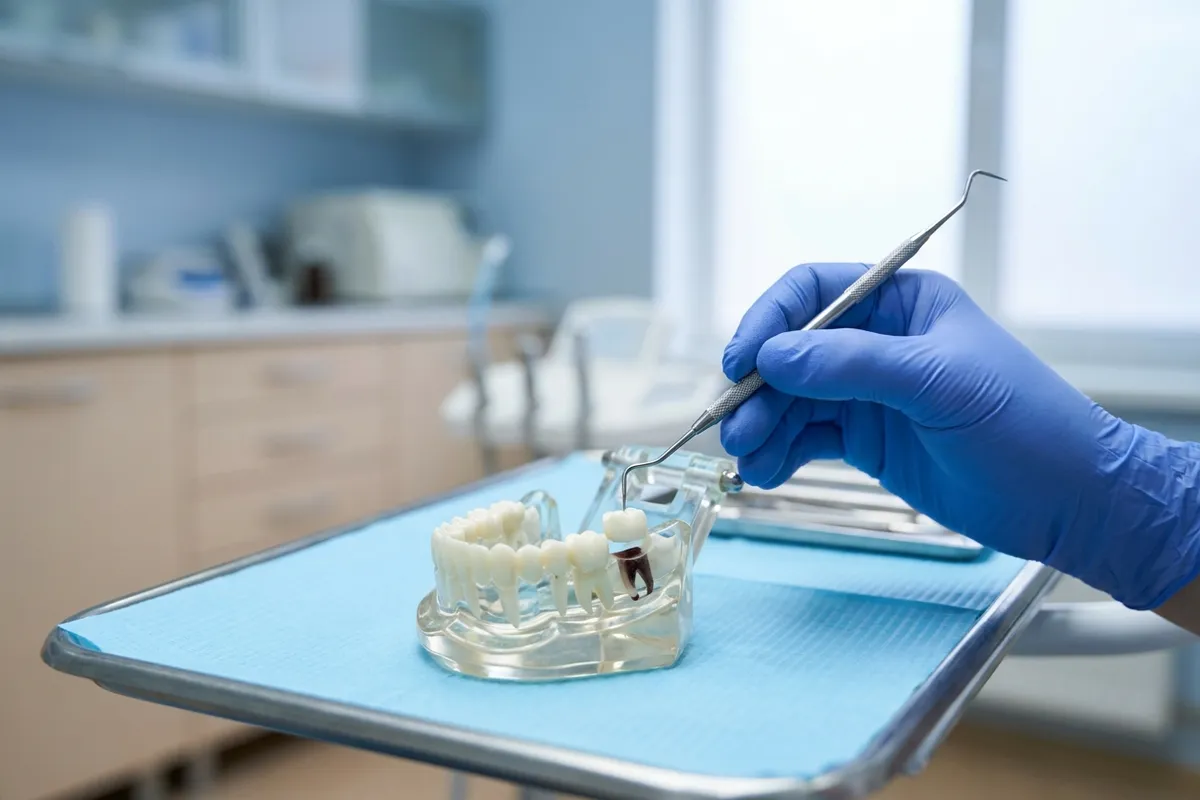
Why Wisdom Teeth Can Cause Problems
Limited space or an unfavorable position can make a wisdom tooth difficult to clean. Decay, gum inflammation, infection, or damage to a neighboring tooth may develop in some cases. An impacted tooth may also need assessment even without pain. The decision considers actual findings and future risk rather than a single symptom.
Recurring inflammation around a partly erupted wisdom tooth can make the back of the mouth uncomfortable and difficult to clean. Decay may affect the wisdom tooth or the neighboring molar. The assessment should identify which tooth is causing concern and whether observation remains reasonable. Removing every wisdom tooth simply because one has a problem may not be the appropriate plan.
- Partly erupted wisdom teeth can create areas that trap food and are difficult to clean at the back of the mouth.
- Decay, recurrent inflammation, infection, or damage to a neighboring tooth may support removal when confirmed by assessment.
- Healthy, maintainable wisdom teeth may remain under observation; neither their presence nor lack of pain settles the decision by itself.
Symptoms to Discuss
Mention pain or swelling at the back of the mouth, a bad taste, food trapping, or difficulty opening your jaw. These symptoms can have other causes and need examination. Rapidly spreading swelling or difficulty breathing or swallowing requires urgent medical attention rather than waiting for a planned removal appointment.
Describe previous episodes of swelling or infection, even if the area is comfortable now. Medicines affecting bleeding, relevant health conditions, and earlier anesthesia difficulties matter when planning removal. Bring information about previous imaging or surgery if available. For a proposed coronectomy, ask why leaving the roots is suitable for that particular tooth and what would make that approach inappropriate.
- Mention swelling, a bad taste, food trapping, or difficulty opening your mouth, including episodes that improve and then return.
- Tell the treating team about medical conditions, medicines, tobacco use, and previous surgical healing or anesthesia difficulties before planning removal.
- Ask how root development, tooth position, and nearby structures influence the benefits and risks of removing your particular tooth.
When to Consider Removal
Timing depends on tooth development, position, oral health, symptoms, and the likelihood of future problems. Some teeth can be monitored with regular review. Removing an affected tooth may be simpler before further complications occur, but there is no single best age or automatic rule that applies to everyone.
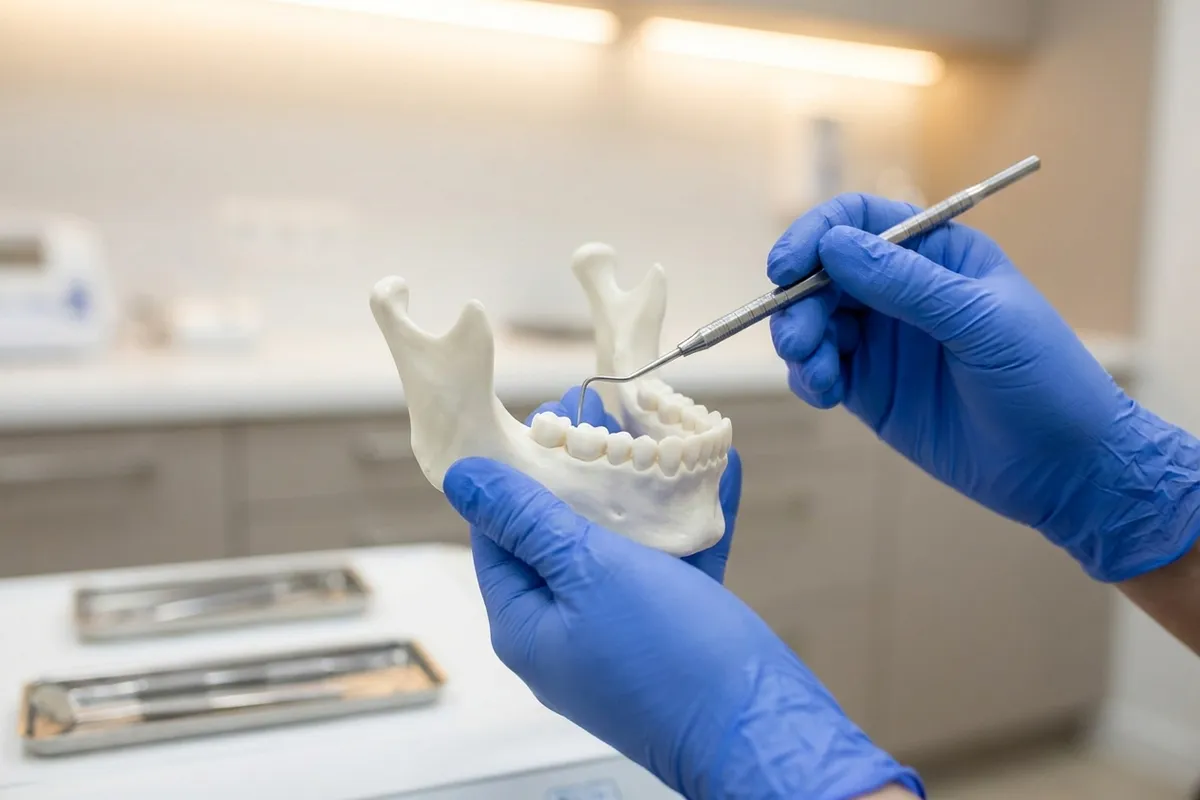
Assessment for wisdom tooth treatment
The dental team examines the area and uses appropriate imaging to assess tooth position, root development, and nearby structures. Health history helps with surgical and comfort planning. The dental team discusses monitoring, removal, the expected recovery, and whether an oral surgeon should be involved for an impacted or complex tooth.
- Appropriate imaging helps assess impaction and the relationship to adjacent teeth, relevant nerves, or the sinus for upper wisdom teeth.
- Discuss whether monitoring, removal, or specialist assessment is appropriate, and how often retained wisdom teeth should be reviewed.
- The expected technique and comfort plan depend on access, position, and your health; not every wisdom tooth requires the same surgery.
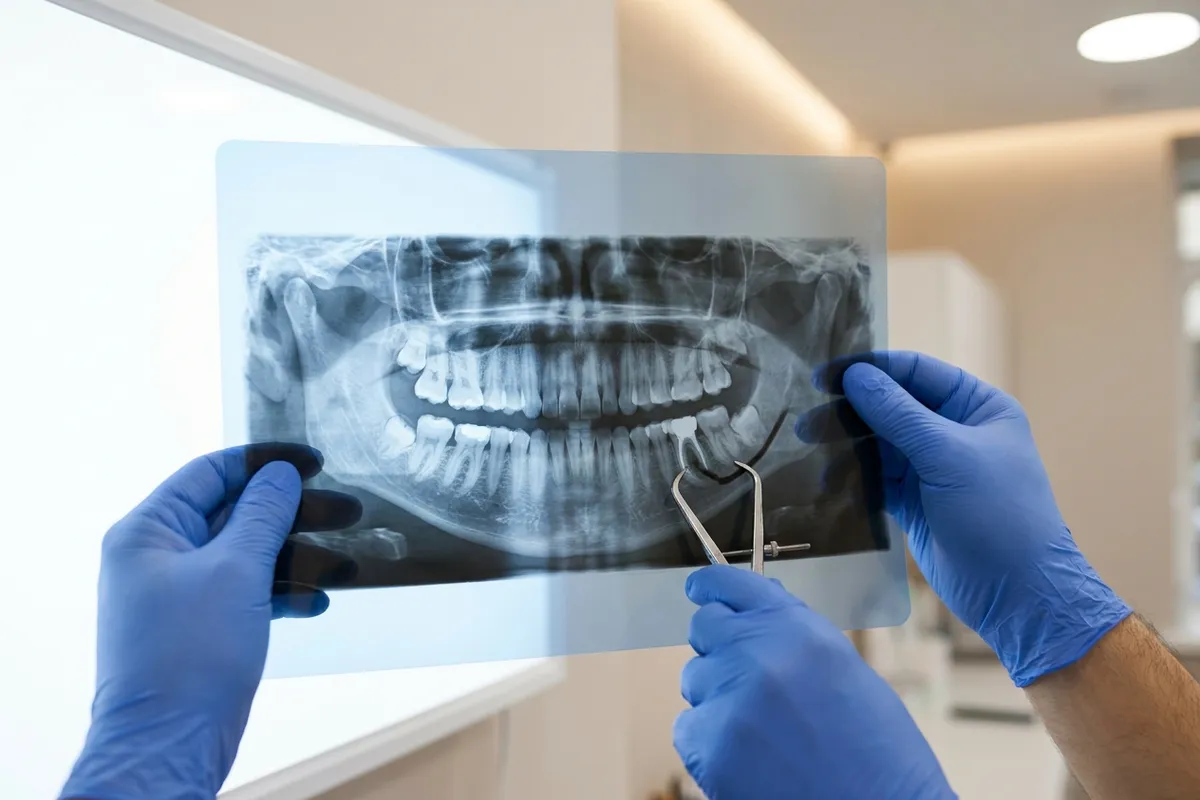
Removal, monitoring, and coronectomy
A healthy, maintainable wisdom tooth may remain under observation. Removal can be considered when disease or a significant risk is identified. The technique and comfort measures depend on the tooth and your needs. The dental team explains whether surgical steps are expected and how the procedure fits with other dental care.
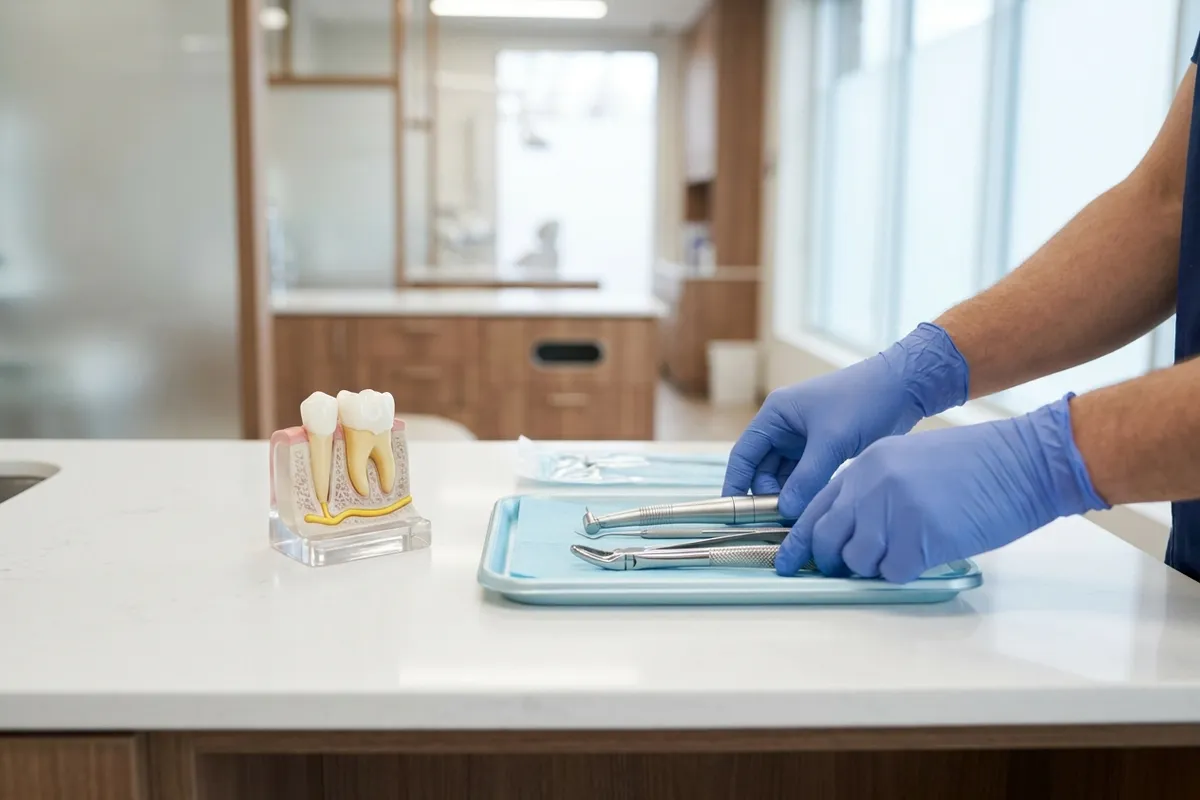
For selected lower wisdom teeth whose roots are close to a nerve, coronectomy removes the crown and deliberately retains the roots to reduce nerve injury risk. It is not suitable for every tooth, particularly when the retained roots are unhealthy. Roots can migrate, and later treatment may be needed. Discuss the risks of full removal, partial treatment, and monitoring, including the follow-up required for roots left in place.
Recovery and Follow-Up
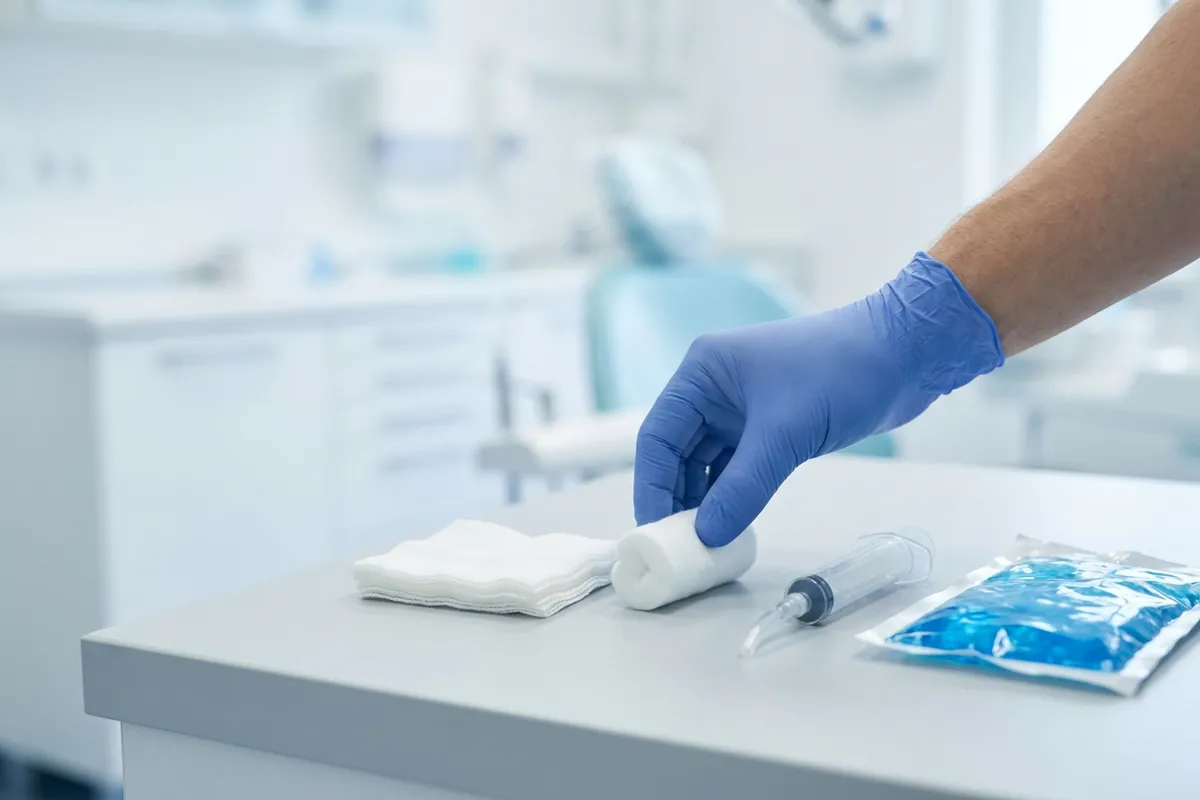
Follow instructions for protecting the socket, cleaning, food, activity, and comfort. Tenderness, swelling, and limited opening can occur during recovery, but the course varies. Contact the treating team about worsening pain, fever, persistent bleeding, or other unexpected changes. Attend recommended reviews rather than assuming the site has healed because discomfort has eased.
Recovery instructions should match full extraction or coronectomy and the teeth actually treated. Follow the advice on cleaning near the wound, food, and activity rather than copying another patient's routine. Persistent altered sensation, worsening discomfort, or increasing swelling should be reported. If roots were retained, keep the planned reviews so their position and any later symptoms can be assessed.
- Follow socket-protection and cleaning instructions, choose suitable foods, and avoid smoking or disturbing the area during recovery as advised.
- Worsening pain after initial improvement, persistent bleeding, fever, or increasing swelling warrants contact with the treating team.
- Keep recommended reviews, and seek emergency medical help if swelling causes difficulty breathing or swallowing rather than waiting for an appointment.
Wisdom tooth care, step by step
- 1
Assess the teeth and nearby structures
Symptoms, tooth position and appropriate imaging inform the decision. Discuss monitoring, removal and other suitable approaches, including nerve-related risks when relevant.
- 2
Plan and carry out agreed treatment
If removal is recommended, the team explains the technique and comfort plan. Follow the preparation instructions for your procedure and any planned sedation.
- 3
Protect the sockets and attend review
Follow instructions on eating, cleaning and recovery. Contact the treating team about persistent bleeding or worsening symptoms, and attend any recommended healing checks.
Services
Other treatments we offer
Questions about this treatment
Schedule your surgical consultation
Leland Dentistry & Implants opens in January 2027 in Gloucester, MA. Book an appointment online to discuss your third molars with Dr. Brian Leland.
About us
Why patients choose Leland Dentistry
Dr. Brian Leland teaches other dentists how to place dental implants.
Board-certified expertise
Dr. Leland is a Diplomate of the American Board of Oral Implantology.
Advanced treatments & restorations
From 3D-printed same-day single teeth to full-mouth solutions, our office utilizes the most cutting-edge technology to deliver restored smiles.

Clear communication
Your treatment plan is explained in plain English or in conversational Mandarin Chinese.
Visit us
We're waiting for you in Gloucester
76 Prospect St
Gloucester, MA 01930