
Service
Root canal treatment in Gloucester
When the nerve inside a tooth becomes inflamed or infected, a root canal removes it, cleans and seals the space, and lets you keep the tooth.

Understanding root canal treatment
Root canal treatment addresses inflamed or infected tissue inside a tooth. The affected pulp is removed, the canals are cleaned and sealed, and the tooth then receives an appropriate final restoration. The aim is to retain a natural tooth that can still be restored rather than remove it automatically.
Root canal treatment addresses the pulp inside a tooth rather than only its outer surface. The canals are cleaned and sealed, and the tooth then needs an appropriate restoration above them. These are related but separate parts of saving the tooth. Ask which stages are planned and whether a temporary restoration will protect it between appointments and before definitive repair.
Why Treatment May Be Needed
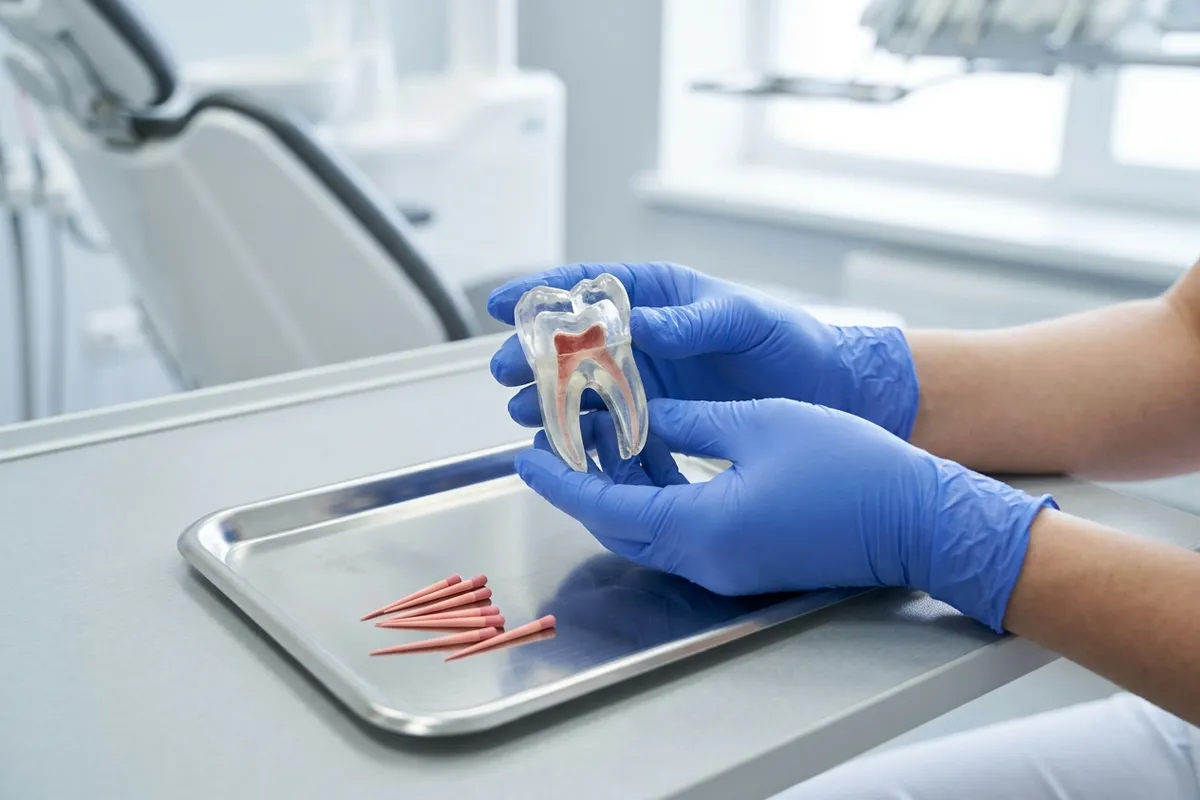
Deep decay, cracks, repeated dental procedures, or trauma can affect the pulp. Infection may also involve tissues around the root. A filling on the outside does not resolve every internal problem. The assessment considers the root, remaining tooth structure, and whether treatment offers a reasonable way to preserve the tooth.
Deep decay, injury, or a crack can affect the pulp and lead to root canal assessment. Pain may change or disappear without establishing that the underlying problem has resolved. The dentist should explain what supports the diagnosis and whether the tooth is restorable. Treatment aims to retain a useful tooth, so severe structural damage can alter the recommendation despite canal treatment being possible.
- Inflamed or infected pulp may require treatment even when the outer part of the tooth appears mostly intact.
- Cleaning and sealing the canals addresses the internal problem; a later restoration protects the tooth for everyday use.
- Keeping a restorable natural tooth may avoid an extraction and replacement, but prognosis depends on cracks, structure, and surrounding support.
Symptoms That Need Evaluation
Lingering temperature sensitivity, pain when biting, swelling, or a darkened tooth can be clues, but symptoms vary and some affected teeth cause little pain. Tell the treating team about previous injuries and treatments. Spreading swelling or difficulty breathing or swallowing requires urgent medical attention rather than waiting for a routine dental visit.
The amount of remaining tooth and the extent of any crack affect whether root canal treatment is a sensible part of the plan. Mention previous treatment on the tooth, persistent symptoms, and difficulty becoming numb. Some anatomy or earlier complications may need an endodontist. Discuss the likely final restoration as well, because treating the canals does not restore a broken biting surface.
- Mention deep decay, repeated restorations, or a previous injury, including trauma that happened long before the current symptoms.
- Tell the treating team about swelling, a gum bump, lingering heat or cold pain, and discomfort when biting or releasing your bite.
- Ask whether the tooth is restorable before treatment begins; some fractures or extensive structural loss make preservation less predictable.
Timing and Treatment Stages
The timing depends on symptoms and the condition of the tooth. Treatment may take one or more visits, followed by a separate restoration stage. A temporary filling needs protection between appointments. Do not assume that relief from pain means the tooth is fully restored or that further appointments are optional.
Assessment for root canal treatment
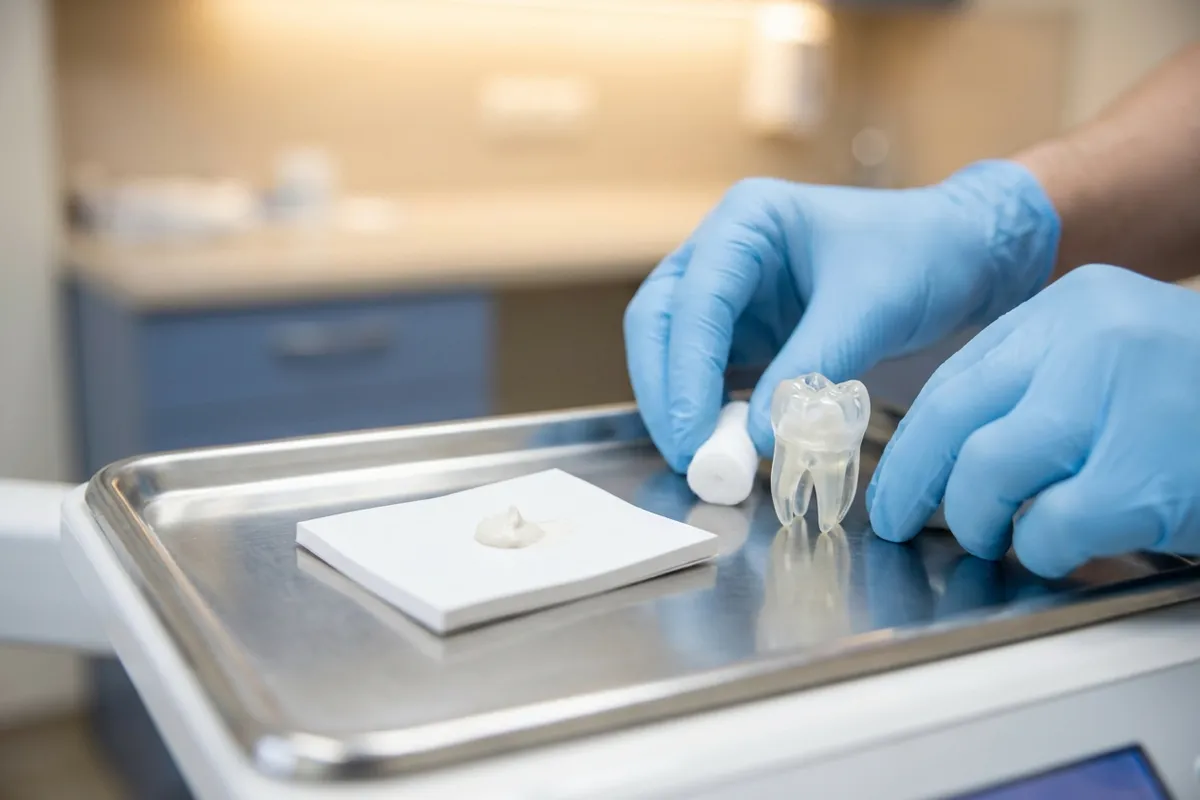
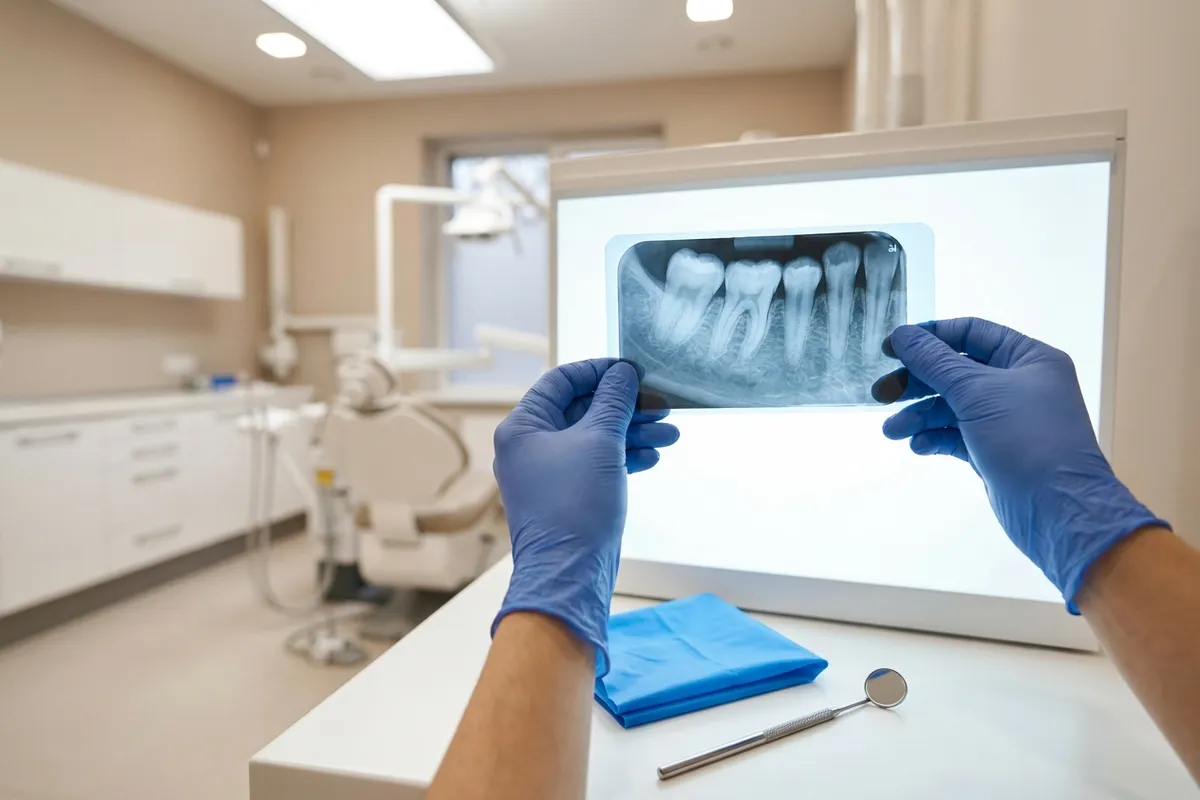
The dental team examines the tooth and surrounding tissues, assesses symptoms, and reviews images of the roots and supporting bone. The amount of remaining structure and any crack affect whether the tooth can be saved. The dental team discusses alternatives and whether an endodontist should assess or treat a complex case.
- Tests of tooth response and selected images help identify the affected tooth; pain alone may not accurately locate the source.
- The tooth is isolated during treatment so the canals can be cleaned and sealed while limiting contamination from saliva.
- Complex anatomy, previous root canal treatment, or an uncertain diagnosis may justify evaluation by an endodontic specialist.
What Treatment Involves
Local anesthesia is used for comfort, and the tooth is isolated while the affected pulp is removed and the canals are cleaned, shaped, and sealed. A temporary or definitive restoration closes the tooth. The final filling or crown depends on how much structure remains and the forces placed on it.
A suitable tooth may be treated by cleaning and sealing its canals, followed by restoration to protect the remaining structure. Extraction is an alternative when retention is unsuitable or declined, and it creates a separate replacement decision. An already treated tooth may need reassessment rather than the same procedure again. Ask how prognosis, referral, and restorative needs affect the available choices.
Recovery and Protecting the Tooth
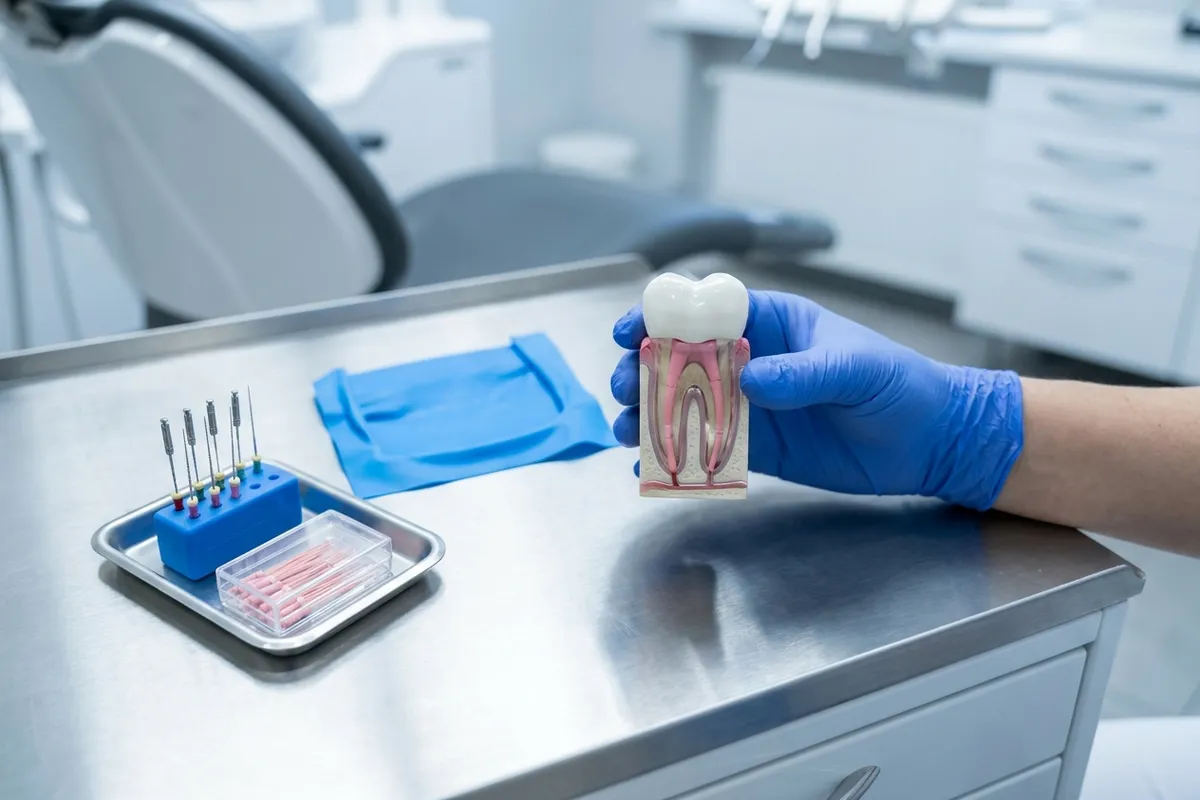
Some tenderness can occur after treatment. Follow instructions for comfort, cleaning, and chewing, and complete the recommended final restoration. Contact the treating team about worsening pain, swelling, or a lost temporary filling. The treated tooth can still develop decay or fracture, so daily care and ongoing reviews remain important.
Protect a tooth with a temporary filling according to the instructions until its final restoration is complete. Contact the team if that temporary material comes out, the bite feels high, or pain or swelling increases. Keep the follow-up and restoration appointments even if symptoms settle. The remaining natural tooth still needs cleaning and monitoring for decay, fractures, and later problems.
- Protect any temporary filling and avoid heavy biting on the tooth until the recommended final restoration is completed.
- Keep the restoration appointment even if pain improves; root canal treatment and rebuilding the tooth may be separate stages.
- Report worsening pain, swelling, or a lost temporary filling, and seek immediate medical attention if swelling affects breathing or swallowing.
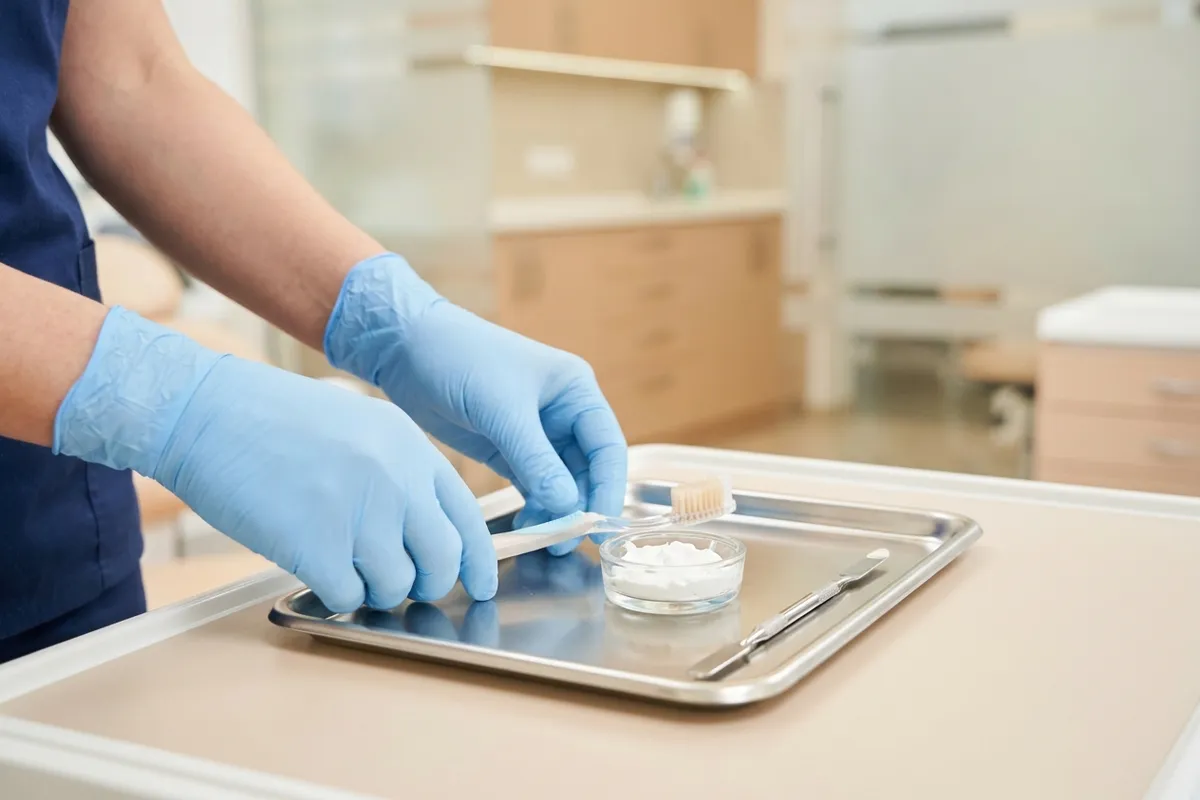
Root canal treatment, step by step
- 1
Diagnose the problem inside the tooth
Symptoms, examination and appropriate imaging help assess the pulp and surrounding tissues. Discuss whether the tooth can be restored and whether specialist care is needed.
- 2
Clean and seal the canals
When treatment proceeds, the tooth is anesthetized and isolated. The affected pulp is removed, and the root canals are cleaned and sealed according to the treatment plan.
- 3
Complete the protective restoration
Arrange the recommended final filling or crown and follow-up checks. Report continuing pain or swelling, and protect the tooth from heavy chewing until advised otherwise.
Services
Other treatments we offer

Questions about this treatment
Schedule your visit in Gloucester
Leland Dentistry & Implants opens in January 2027. Use our online form to request a consultation with Dr. Brian Leland.
About us
Why patients choose Leland Dentistry
Dr. Brian Leland teaches other dentists how to place dental implants.
Board-certified expertise
Dr. Leland is a Diplomate of the American Board of Oral Implantology.

Advanced treatments & restorations
From 3D-printed same-day single teeth to full-mouth solutions, our office utilizes the most cutting-edge technology to deliver restored smiles.

Clear communication
Your treatment plan is explained in plain English or in conversational Mandarin Chinese.
Visit us
We're waiting for you in Gloucester
76 Prospect St
Gloucester, MA 01930