
Service
Platelet-rich Fibrin (PRF) Enhancements in Gloucester
Dr. Brian Leland offers platelet-rich fibrin enhancements to support healing after dental surgery. When you visit Leland Dentistry & Implants in Gloucester, MA, this technique may accompany procedures like extractions and bone grafting. It helps your body recover using your own natural resources.
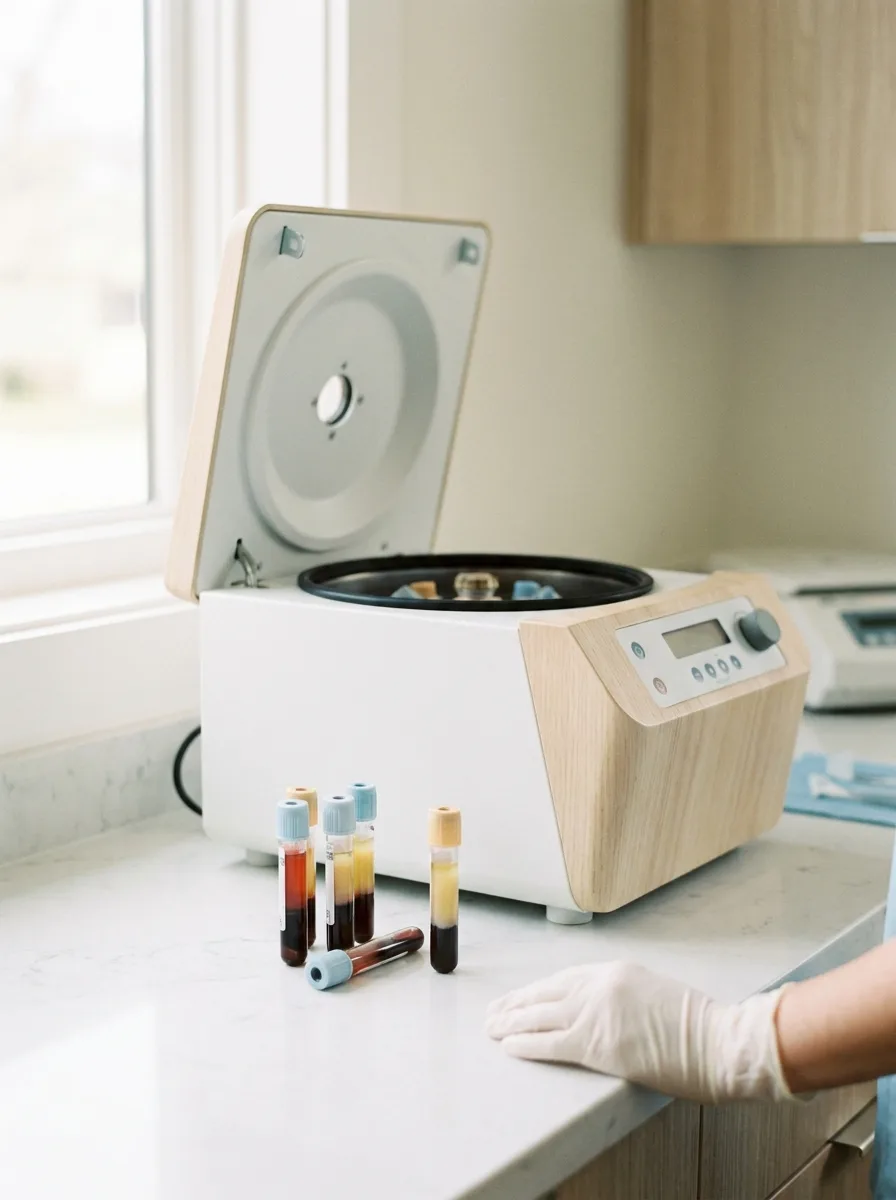
How platelet-rich fibrin is used
Platelet-rich fibrin, or PRF, is prepared from a sample of your own blood. Processing separates a fibrin-rich material containing platelets and other blood components that can be placed at a dental surgical site. Fibrin is part of the body's normal clotting system. PRF is considered an additional tool within a treatment plan, rather than a replacement for careful surgery, infection control, or suitable graft material.
Studies have examined PRF in extraction sockets, periodontal defects, and other regenerative procedures. Results depend on the procedure, preparation method, and outcome being measured. Possible benefits do not mean that everyone needs it, that healing will be faster in every case, or that it guarantees new bone or implant success.
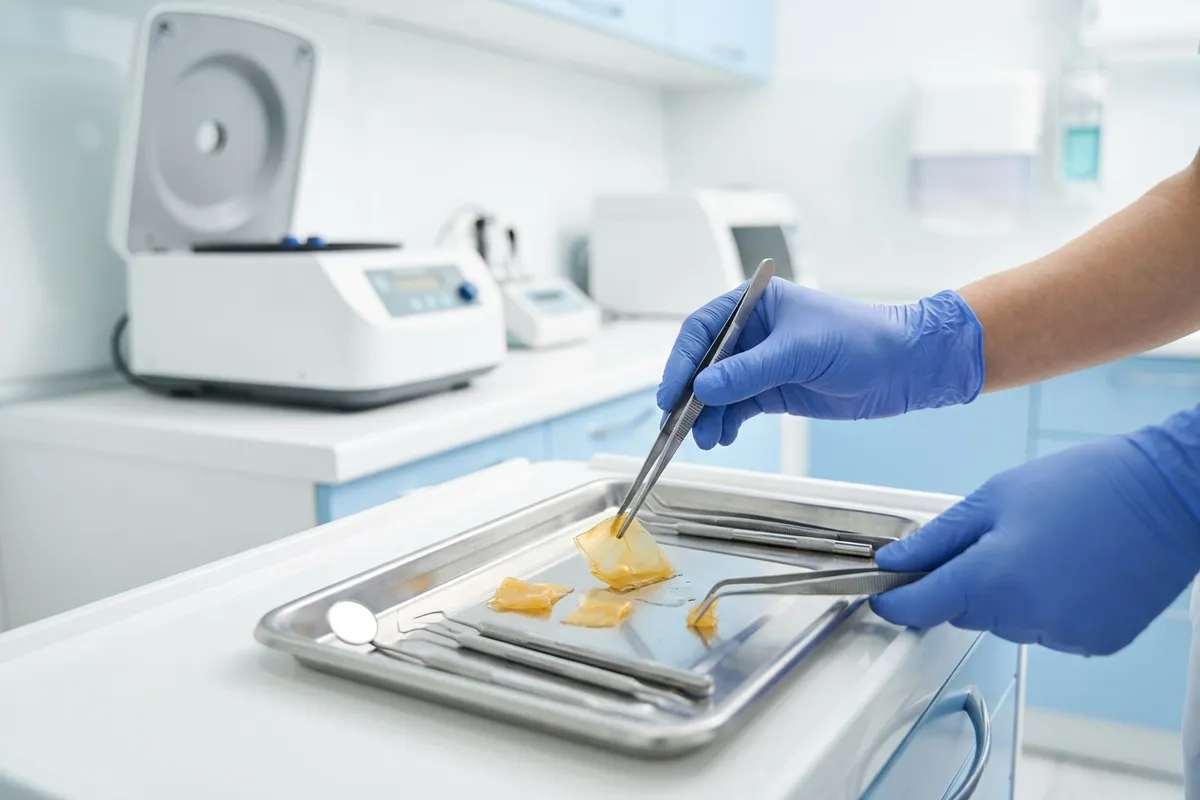
Why an additional healing material may be considered
The treating dentist may discuss PRF when planning an extraction, bone graft, or implant-related procedure. The question is whether adding it has a useful role for the particular wound and treatment goal. A favorable result reported for one type of surgery does not automatically apply to another. Your plan should distinguish the essential procedure from an optional addition.
- Ask which specific outcome PRF is intended to support in your procedure, such as early wound healing or management of the surgical site.
- Clarify whether PRF would accompany a graft or membrane, and what each material contributes to the plan.
- Request a comparison with the same procedure without PRF so you understand the practical benefit, uncertainty, and additional cost.
Blood draw suitability and health factors
Because PRF starts with a blood sample, suitability involves both the planned dental procedure and your health history. Tell the team about blood disorders, anemia, difficulty with previous blood draws, fainting, or medicines affecting bleeding. These details may change preparation or whether PRF is appropriate. Do not stop a prescribed medicine to make a blood sample clot differently.
- Mention previous fainting or difficult vein access so the blood draw can be planned with your comfort in mind.
- Give the team an updated medicine list, including anticoagulants, antiplatelet medicines, and supplements.
- Report a known blood condition or recent medical treatment; the dentist may need information from your medical clinician before deciding.
Planning the blood sample and surgical visit
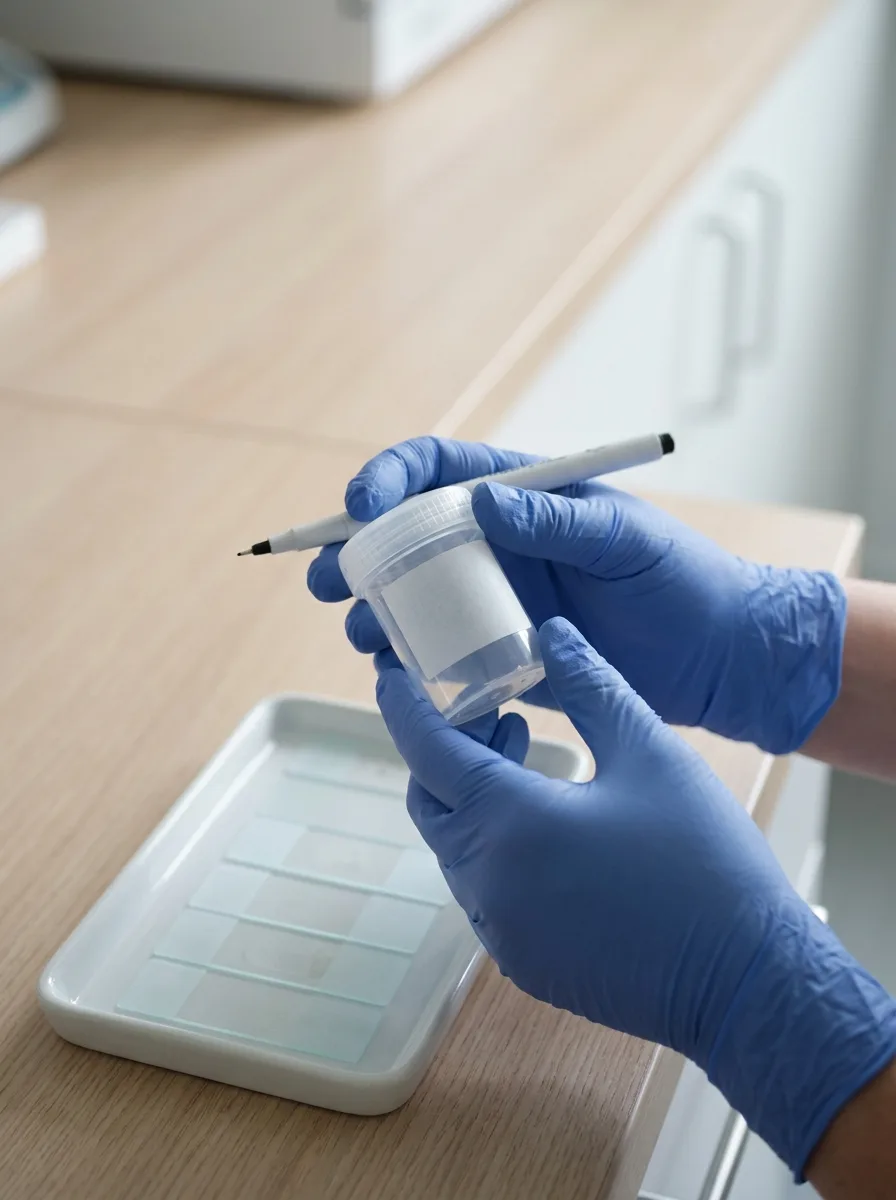
PRF preparation is coordinated with the surgical appointment because the material is produced from a fresh sample. A small needle is used to obtain blood, which is processed according to the method selected for the procedure. Explain any concern about needles before the day of treatment. Ask whether the sample will be collected before or during other preparation steps.
Instructions about food, drink, and medicines depend on the operation and any sedation. A blood draw by itself does not establish a universal fasting requirement. Follow the instructions from the treating team, and contact them if instructions conflict with advice from your medical clinician. Preparation should include transport and recovery arrangements when sedation is planned.
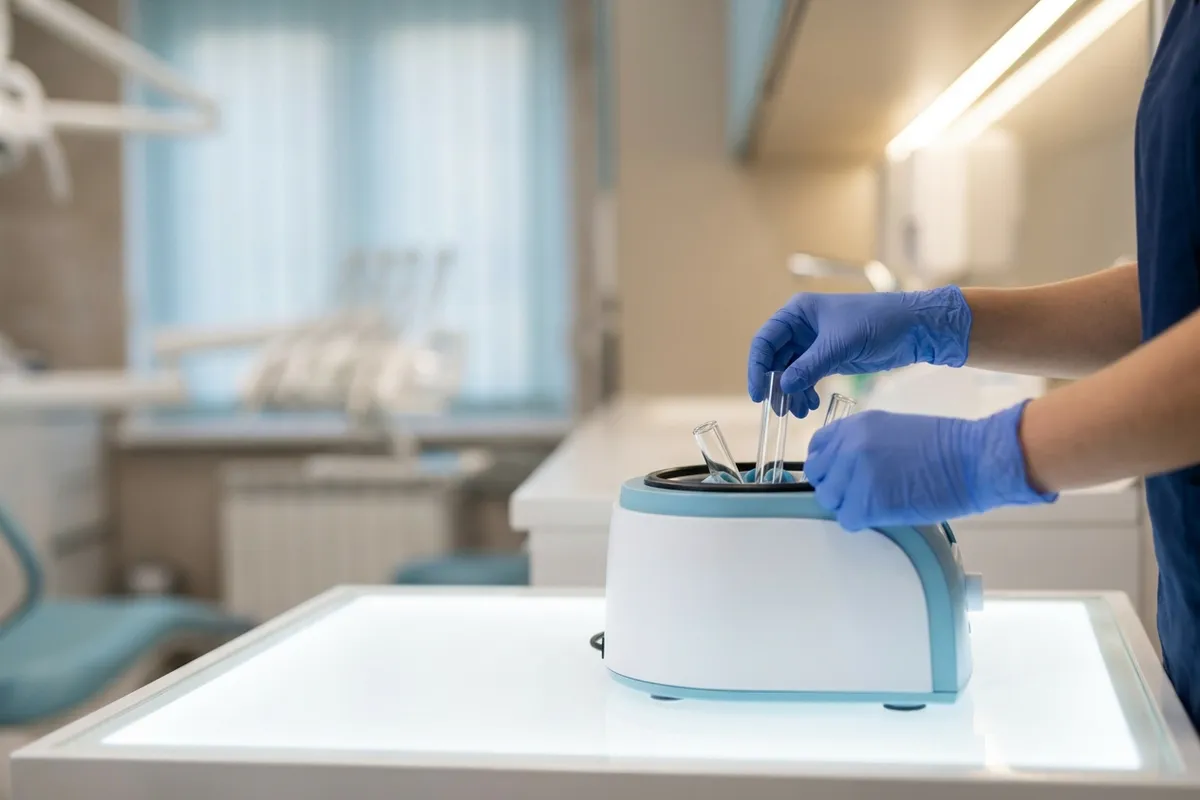
What the assessment should clarify
The examination establishes the diagnosis and the purpose of the underlying surgery before any addition is selected. Oral health, the condition of the treatment site, relevant imaging, and your medical history help identify the priorities for care. PRF cannot compensate for an untreated source of infection or eliminate the need to assess available bone and surrounding anatomy.
- Ask how the clinical findings support the main procedure and where PRF fits within those steps.
- Review the type and source of any other graft material; PRF and a bone substitute serve different roles.
- Confirm the follow-up plan and how healing will be evaluated before proceeding to an implant or final restoration.
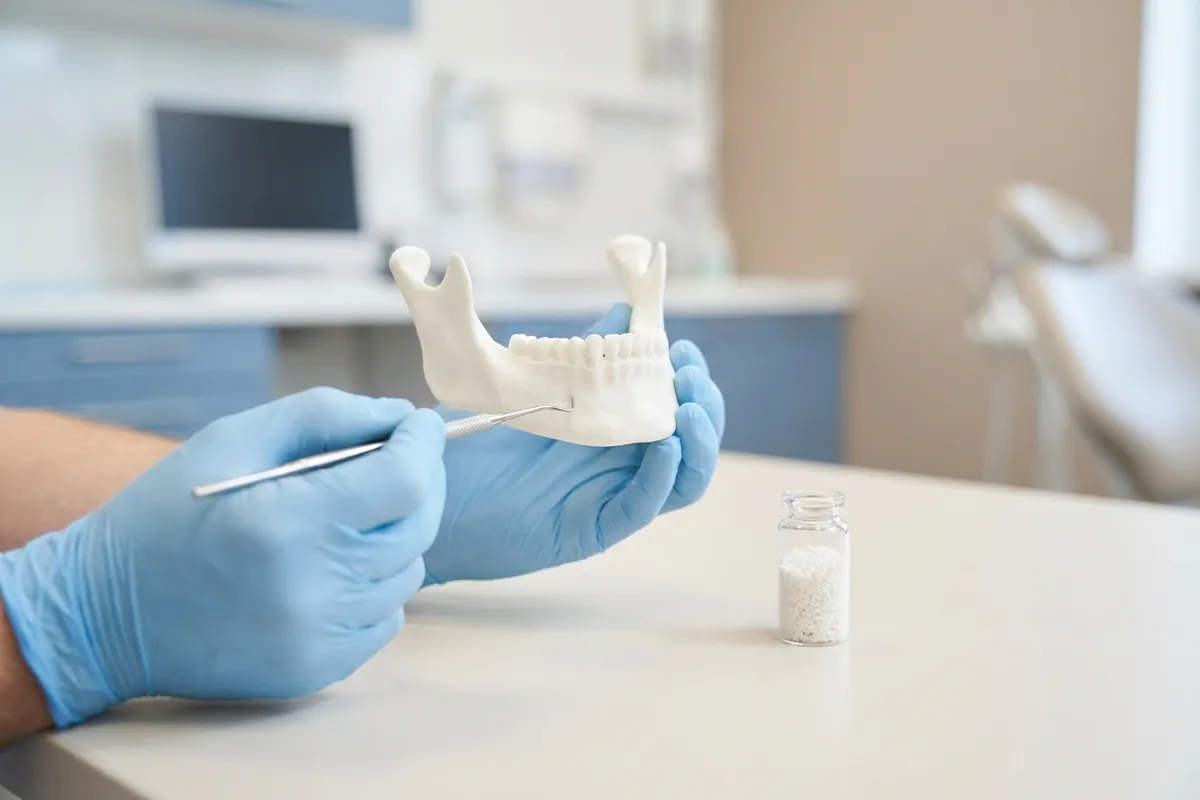
Options, evidence, and realistic expectations
Depending on the clinical situation, options may include surgery with conventional wound management, PRF as an adjunct, another graft approach, or monitoring when surgery is not indicated. Using your own blood avoids a donor source for the PRF itself, but it does not make the entire procedure risk-free. The blood draw can cause temporary discomfort or bruising, while surgical risks remain specific to the operation.
Ask which preparation is proposed and whether the evidence relates to your type of treatment. Research methods and products differ, so precise promises about healing speed or long-term success are inappropriate. You can discuss whether the expected benefit justifies the extra step without assuming declining PRF means declining necessary surgical care.
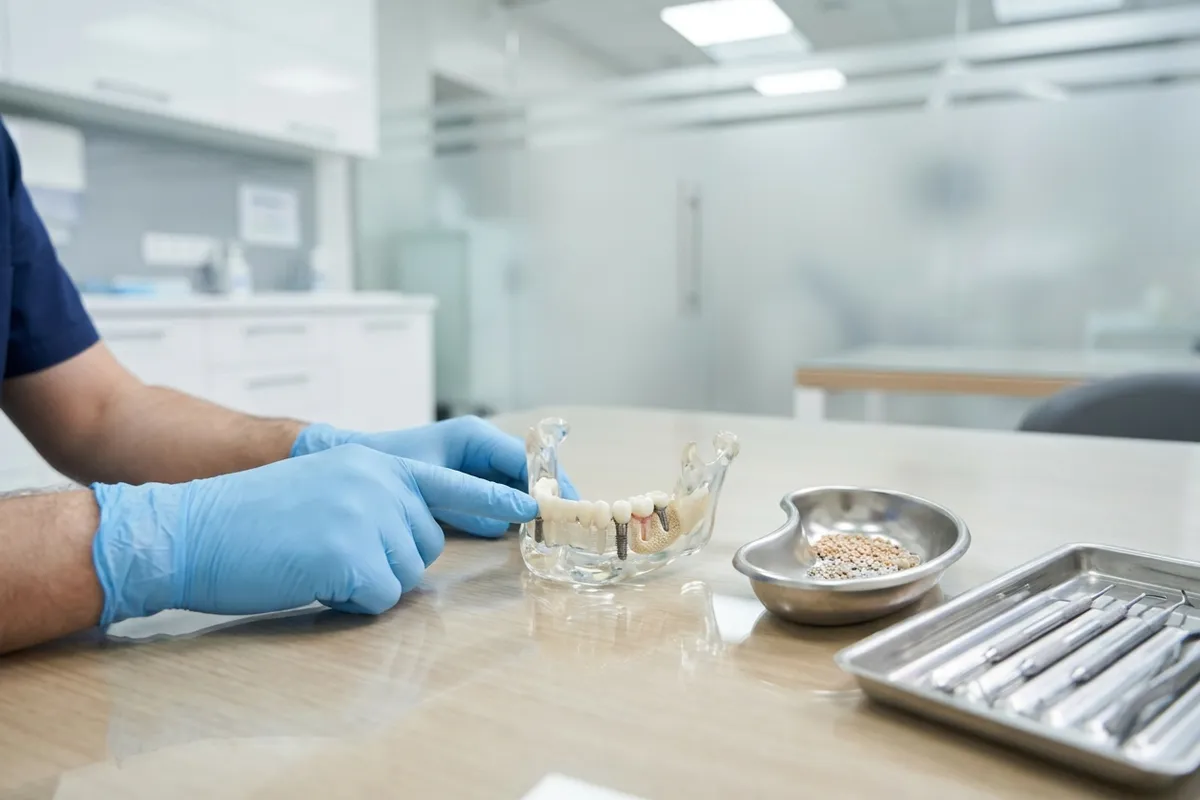
Protecting the site while healing
Aftercare follows the underlying procedure. PRF does not remove the need for appropriate cleaning, activity restrictions, or healing reviews. Avoid pulling at stitches or probing the surgical site to check the material. The team will explain how to clean nearby teeth and when normal brushing at the treated area can resume.
- Follow the extraction or graft instructions supplied for your actual operation rather than assuming PRF allows earlier chewing or exercise.
- Report worsening pain, unexpected swelling, fever, or bleeding that does not settle with the instructed measures.
- Attend planned reviews even if the area feels comfortable; early comfort does not establish that deeper tissues are ready for the next stage.
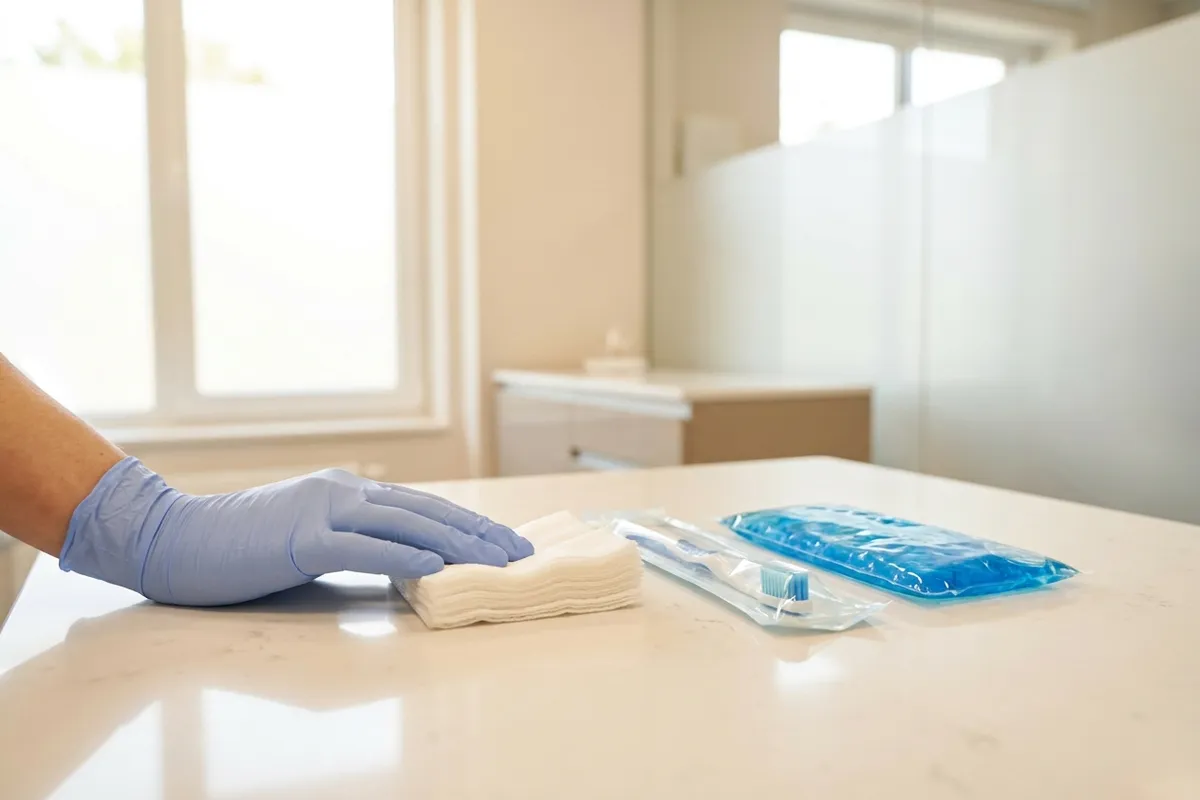
PRF preparation, step by step
- 1
Discuss PRF's role
Review the planned surgery, your health and medicines, and the evidence for using PRF in that setting. Compare proceeding with or without this additional material.
- 2
Prepare and use the material
If PRF is chosen, a blood sample is collected and processed for use during the planned procedure. Tell the team about needle concerns before the appointment.
- 3
Follow the procedure's recovery plan
PRF does not replace wound care or follow-up. Recovery instructions and reviews follow the underlying surgery, including any graft or extraction site.
Services
Other treatments we offer
Questions about this treatment
Schedule your consultation
Leland Dentistry & Implants is located in Gloucester, MA. Book an appointment online to discuss your treatment options.
About us
Why patients choose Leland Dentistry
Dr. Brian Leland teaches other dentists how to place dental implants.
Board-certified expertise
Dr. Leland is a Diplomate of the American Board of Oral Implantology.
Advanced treatments & restorations
From 3D-printed same-day single teeth to full-mouth solutions, our office utilizes the most cutting-edge technology to deliver restored smiles.

Clear communication
Your treatment plan is explained in plain English or in conversational Mandarin Chinese.
Visit us
We're waiting for you in Gloucester
76 Prospect St
Gloucester, MA 01930