
Service
Dental cleaning and exams in Gloucester
A cleaning removes the plaque and tartar a toothbrush cannot, and an exam finds problems while they are still small. Together they are the base of every healthy mouth.
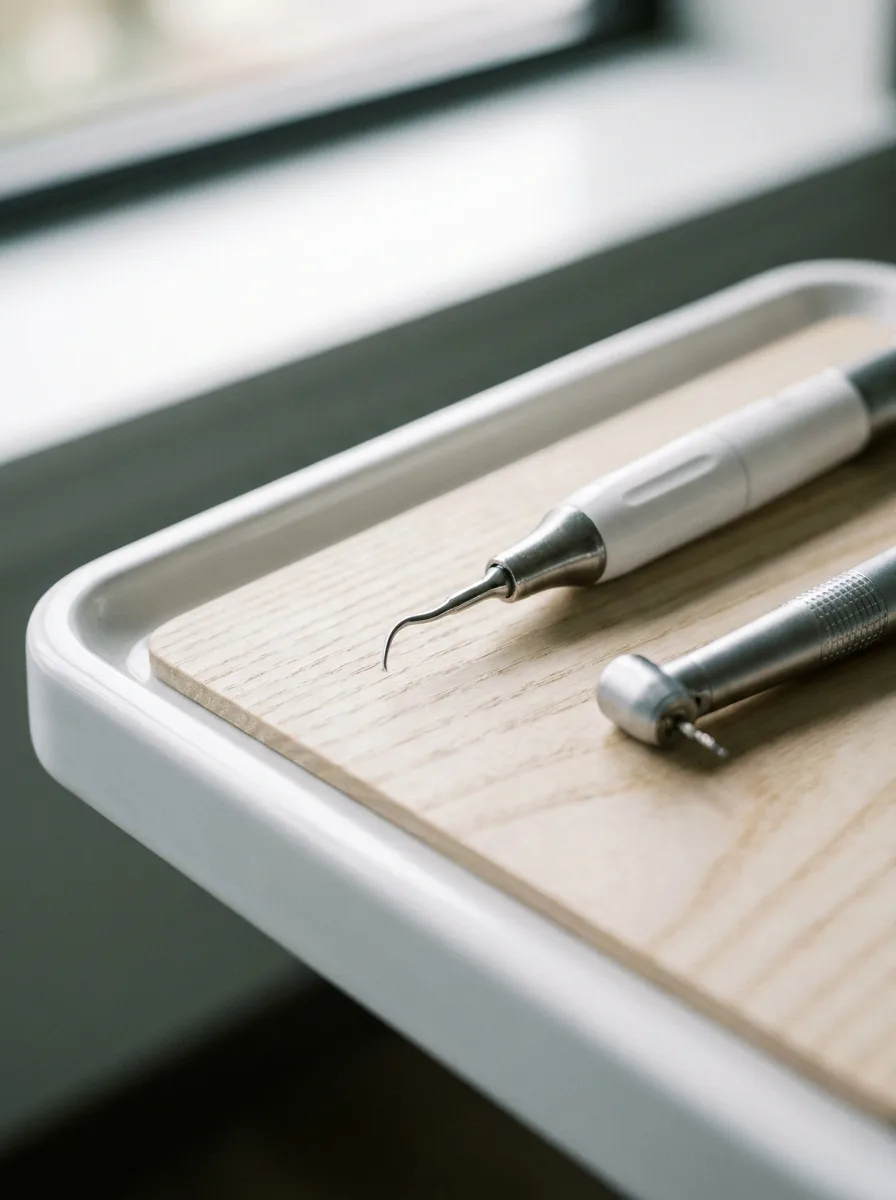
Understanding dental cleaning and exams
An examination checks your teeth, gums, mouth, and existing dental work. A cleaning removes plaque and hardened tartar that home brushing cannot always manage. Together they support prevention and help identify concerns before they become painful. the findings guide a plan for your individual needs.
A professional cleaning removes deposits that daily brushing may leave behind, including hardened tartar. It is usually considered alongside an examination rather than as proof that every tooth and gum is healthy. The condition of the gums determines whether routine cleaning is appropriate or periodontal treatment is needed. Ask which type of cleaning is being recommended and why.
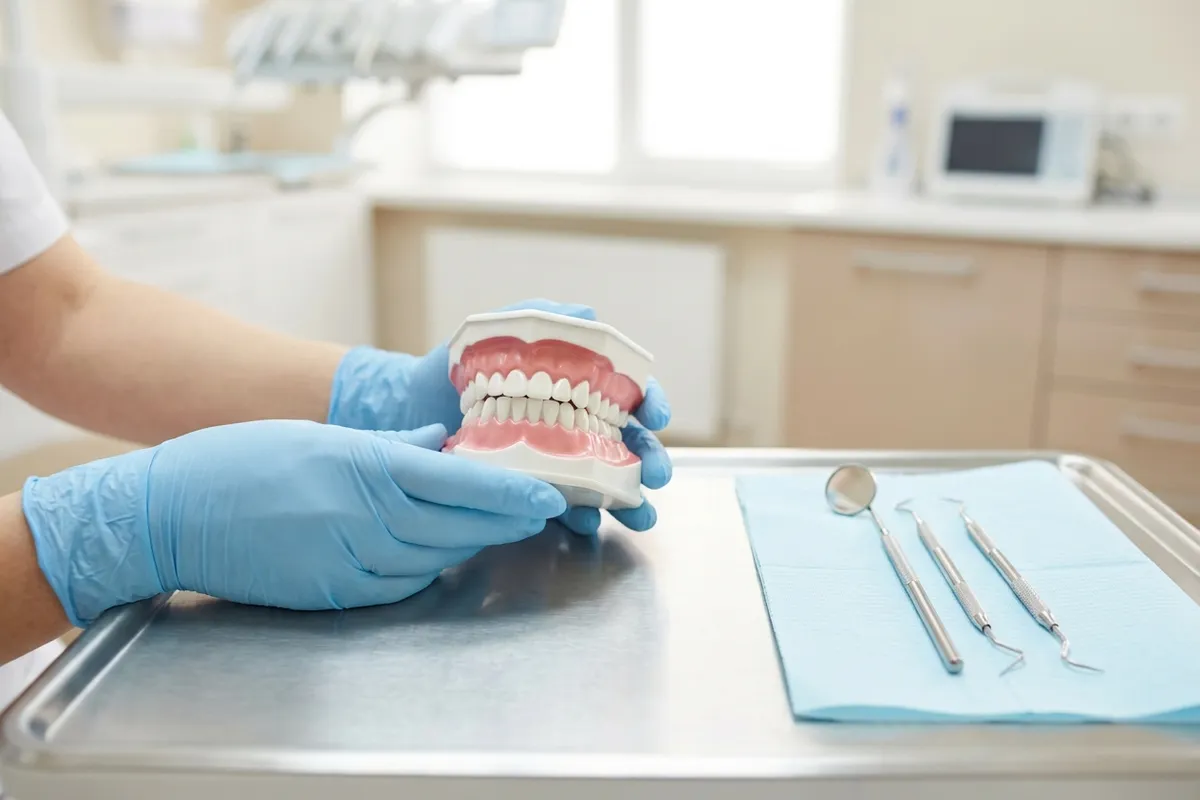
Why Preventive Visits Matter
Decay, gum inflammation, and damaged restorations can develop without obvious symptoms. Professional cleaning also reaches deposits you cannot remove with a toothbrush. A routine visit gives you time to discuss changes, review your home care, and understand which findings need treatment or monitoring rather than assuming every visit requires a procedure.
Deposits may collect where crowding, a bridge, or limited access makes home cleaning difficult. A cleaning visit can identify those areas and make daily care easier to target. Bleeding gums need assessment as well as deposit removal. If inflammation persists, simply polishing the visible tooth surfaces may not address the problem below the gumline or the reasons deposits keep returning.
- Early cavities may have no symptoms; an examination can identify areas needing prevention, monitoring, or a restorative discussion.
- Tartar at the gumline cannot reliably be removed with home brushing and may contribute to ongoing irritation.
- Existing fillings and crowns need checks for damage and problems at their edges, even when they still feel comfortable.
Changes Worth Mentioning
Tell the treating team about bleeding gums, tooth sensitivity, food catching, broken dental work, or discomfort when chewing. Bring questions about medicines that make your mouth dry and areas you struggle to clean. A nonhealing sore or new change in your mouth deserves assessment even if your next routine appointment is not yet due.
Mention sensitive areas, recent restorations, implants, and appliances before the cleaning begins. These details help the clinician plan access and discuss comfort. Let the team know if illness, dexterity, or a caregiver's involvement has changed your home routine. The aim is to remove appropriate deposits while identifying which surfaces or tissues need a different approach or further assessment.
- Mention frequent cavities, dry mouth, or new medicines so the visit can include prevention suited to your risk.
- Describe bleeding, tooth movement, or previous gum treatment; routine cleaning and periodontal maintenance are different types of care.
- Tell the treating team if anxiety, a sensitive gag reflex, or difficulty sitting comfortably makes a dental visit harder for you.
When to Schedule a Visit
Recall timing depends on cavity risk, gum health, previous treatment, and new symptoms. Many people attend about twice a year, while others need a different schedule. If you have missed visits, start with an examination. New pain, swelling, or injury should be assessed promptly instead of waiting for a routine recall.
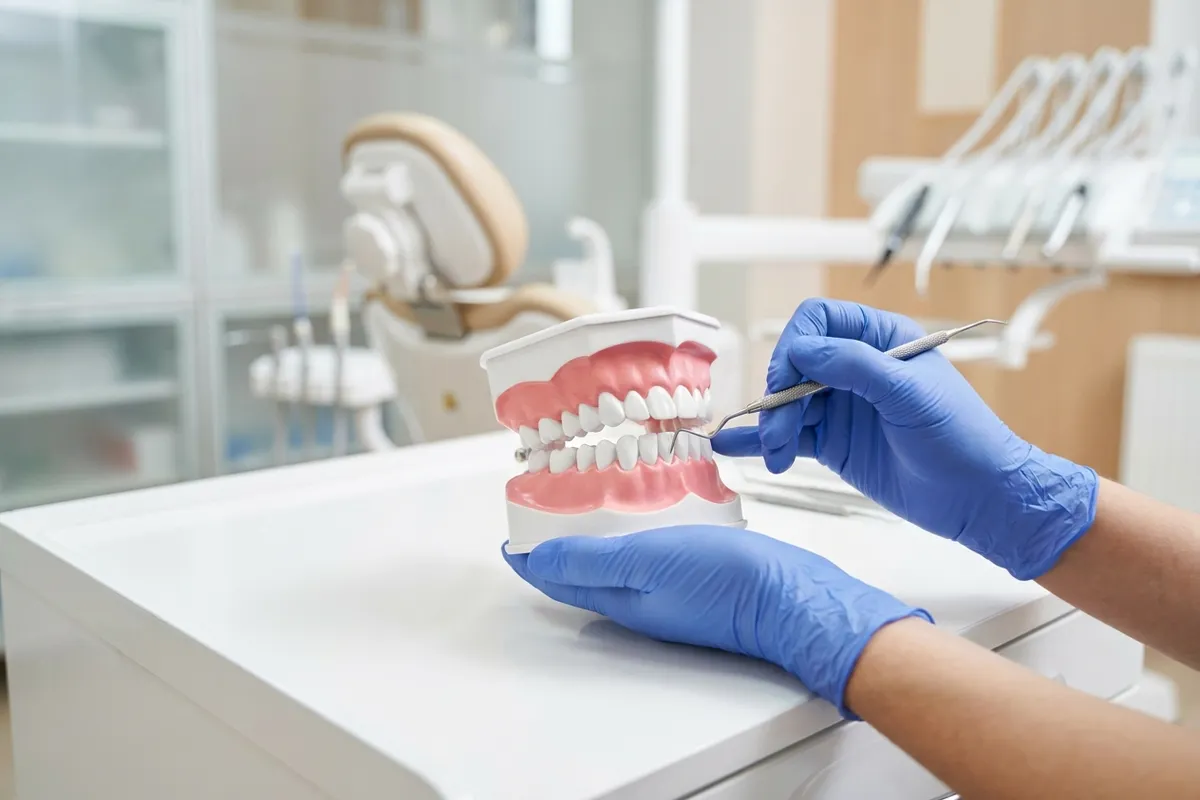
Assessment for dental cleaning and exams
The dental team reviews your health history and medications, examines teeth and oral tissues, and assesses gum health and existing restorations. Gum measurements help distinguish routine cleaning from periodontal care. X-rays are recommended when they answer a useful clinical question. The dental team explains the findings and discusses any priorities for further treatment.
- Tooth surfaces and existing restorations are assessed alongside gum tissues; the examination is broader than a search for cavities.
- Gum measurements help establish whether deposits and inflammation call for routine cleaning or a separate periodontal treatment plan.
- Ask which findings need attention now, which can be watched, and how the next recall interval was chosen.
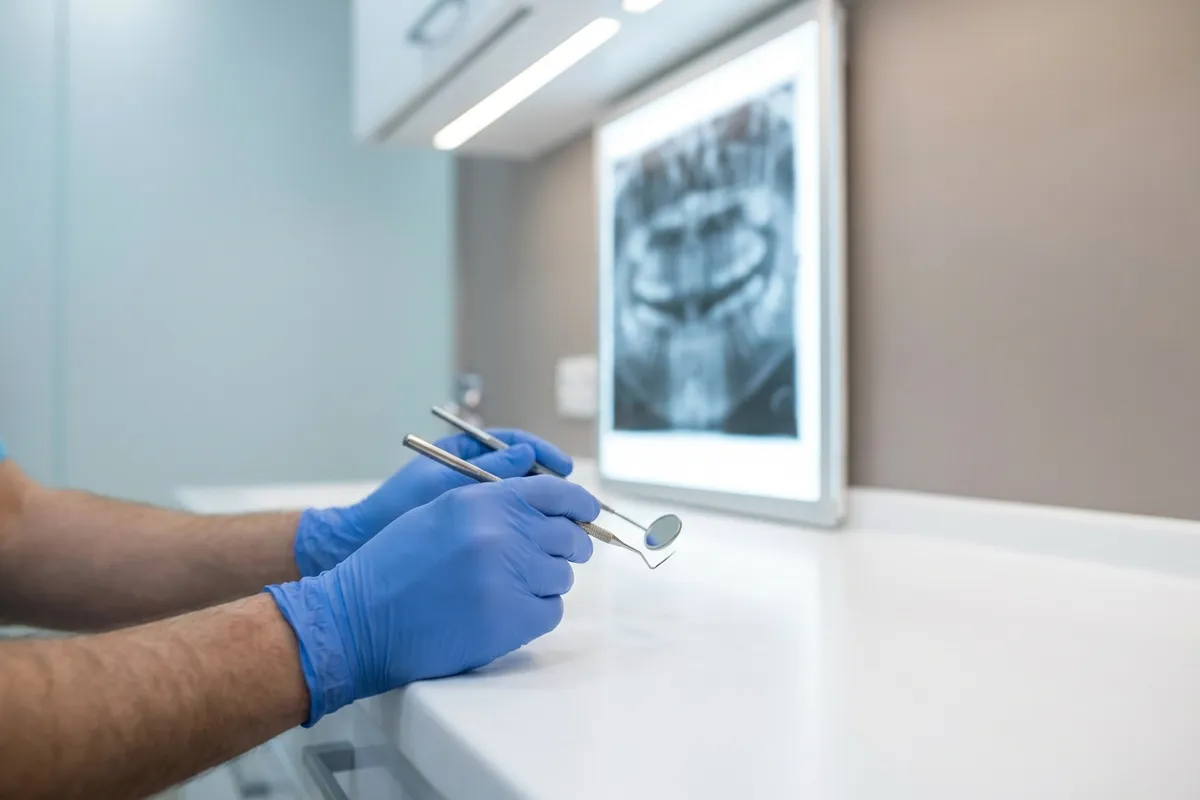
Care Options and What to Expect
Your visit may include scaling and polishing, advice on daily cleaning, and preventive treatments when indicated. If gum disease or decay is found, the dental team explains why a different type of care is needed. You can compare options and ask about appointment stages and costs before scheduling additional treatment.
Routine scaling and polishing differ from scaling and root planing for periodontal disease. The recommendation follows gum findings and the areas involved, not simply how clean the teeth look. Ask whether the planned visit covers routine maintenance or treatment of diagnosed disease. A demonstration of brushing and interdental tools can help you maintain the areas reached during the appointment.
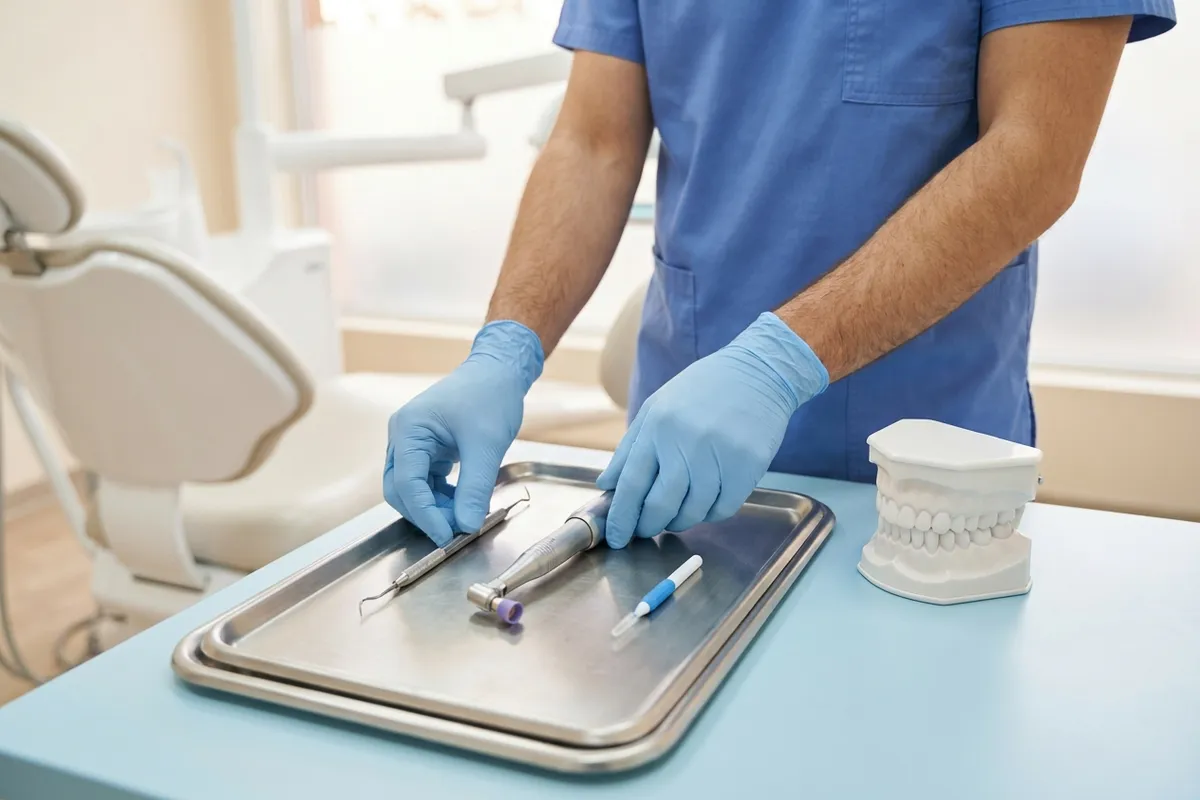
After Your Appointment
Continue brushing with fluoride toothpaste and cleaning between teeth daily. Follow advice for sensitive areas or inflamed gums and contact the treating team about persistent discomfort. Your next visit should reflect the examination findings. An apparently healthy checkup still calls for ongoing home care and monitoring as health and risk change.
Notice which areas were difficult to clean and practice the technique demonstrated for them. Tenderness or sensitivity should be discussed if it persists or interferes with normal care. Follow the recommended review interval for your gum findings and risk factors. Teeth that feel smooth after polishing still need fluoride toothpaste and cleaning between them to limit new plaque accumulation.
- Review any brushing or interdental technique demonstrated during the visit and ask for a simpler tool if necessary.
- Keep track of sensitivity or bleeding that persists after the visit instead of assuming another cleaning will resolve it.
- Arrange the recommended recall and return sooner for a broken restoration, swelling, or a new sore that does not heal.
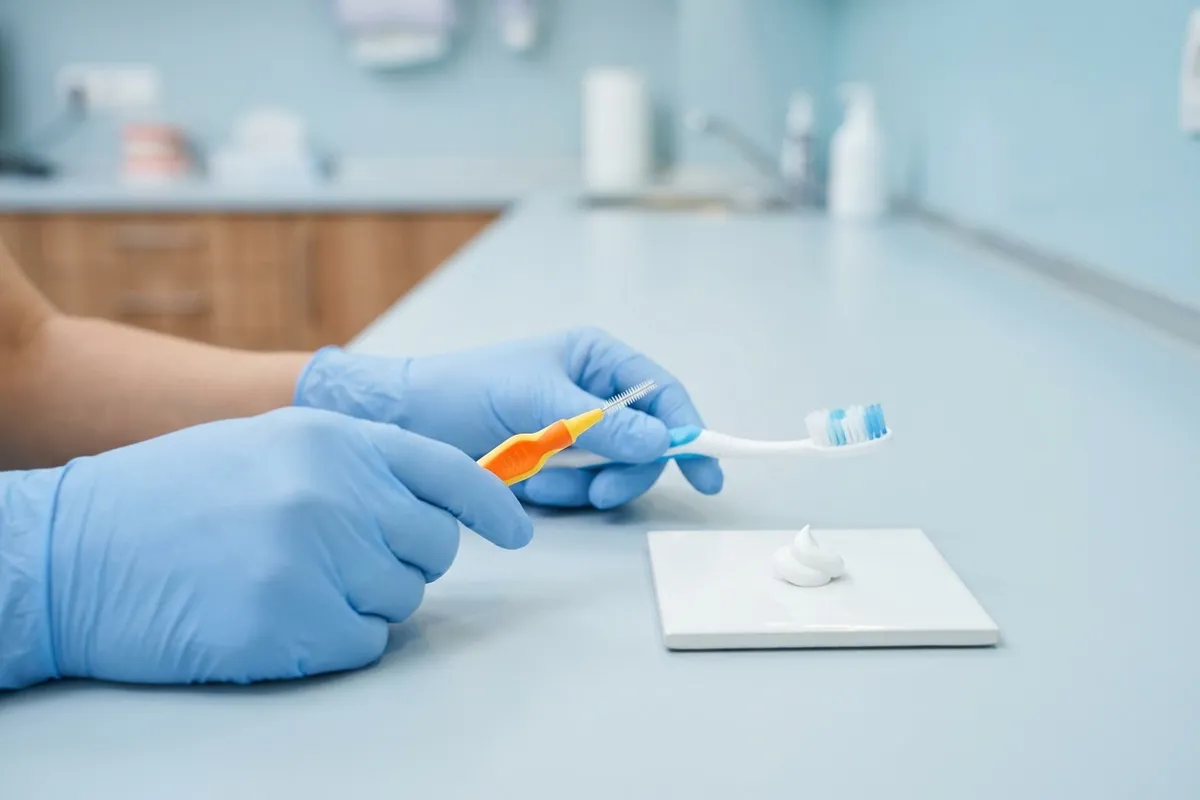
Dental cleaning, step by step
- 1
Check gum health and deposits
The team assesses plaque, hardened deposits and signs of inflammation. The findings help distinguish a routine cleaning from treatment for gum disease.
- 2
Clean the areas that need attention
Professional instruments remove deposits that home brushing cannot address. The approach follows your gum condition, with further periodontal care discussed when indicated.
- 3
Refine home care and recall
Review brushing and cleaning between teeth, especially in areas where deposits collect. The next visit is planned around gum health and your individual needs.
Services
Other treatments we offer
Questions about this treatment
Schedule your visit in Gloucester
Leland Dentistry & Implants opens in January 2027. Use our online form to request a consultation with Dr. Brian Leland.
About us
Why patients choose Leland Dentistry
Dr. Brian Leland teaches other dentists how to place dental implants.
Board-certified expertise
Dr. Leland is a Diplomate of the American Board of Oral Implantology.
Advanced treatments & restorations
From 3D-printed same-day single teeth to full-mouth solutions, our office utilizes the most cutting-edge technology to deliver restored smiles.

Clear communication
Your treatment plan is explained in plain English or in conversational Mandarin Chinese.
Visit us
We're waiting for you in Gloucester
76 Prospect St
Gloucester, MA 01930