
Service
Dental sealants in Gloucester
Sealants are a thin coating painted onto the chewing surfaces of the back teeth. They keep food and bacteria out of the deep grooves a toothbrush cannot reach.
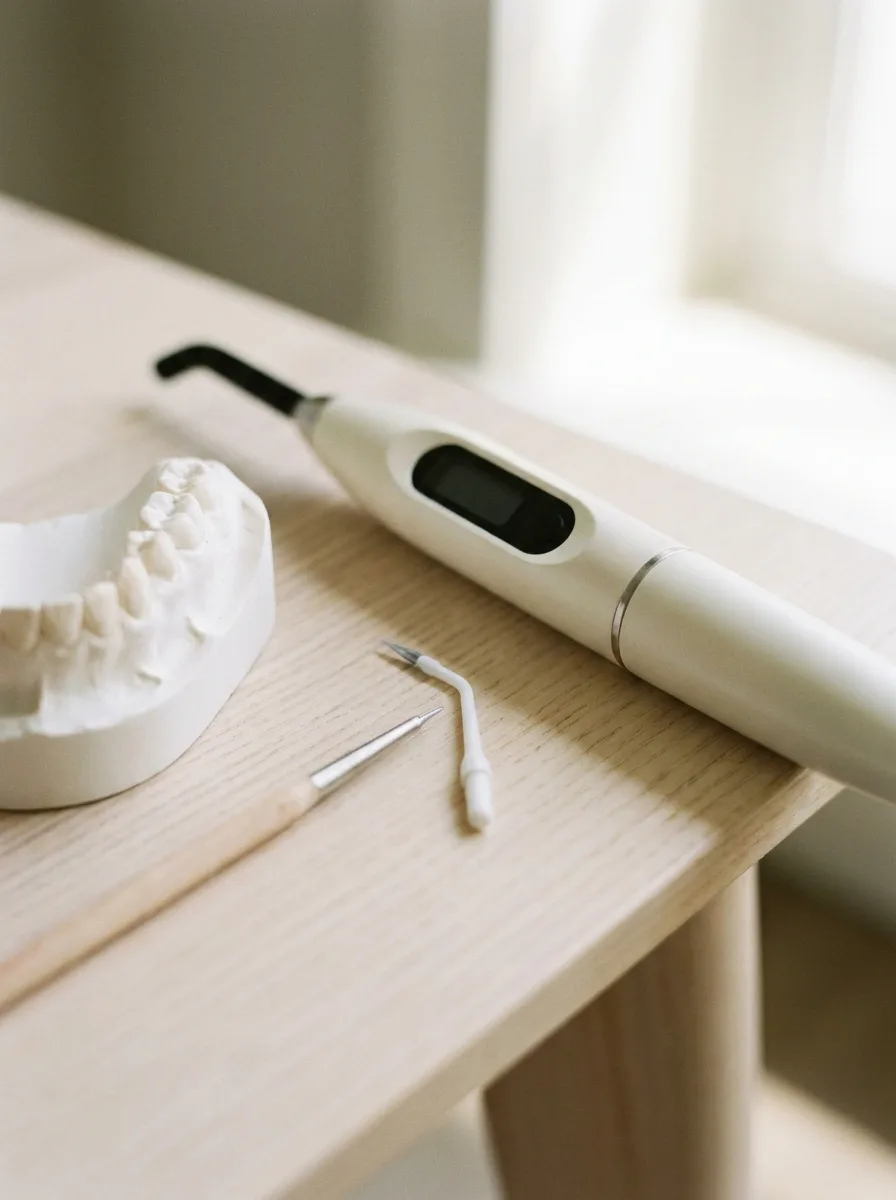
Understanding dental sealants
Dental sealants are thin protective coatings placed in the grooves of chewing surfaces, usually on back teeth. They create a barrier in areas where food and plaque can collect. Sealants are preventive care and work alongside fluoride toothpaste, cleaning between teeth, and regular dental examinations.
A sealant protects the treated chewing grooves, rather than coating every surface of a tooth. It is different from a filling used to restore a larger cavity. The dentist checks the selected surface before placement and explains why it is suitable. Areas between teeth and around the gumline continue to need their own cleaning and protection even after grooves are sealed.
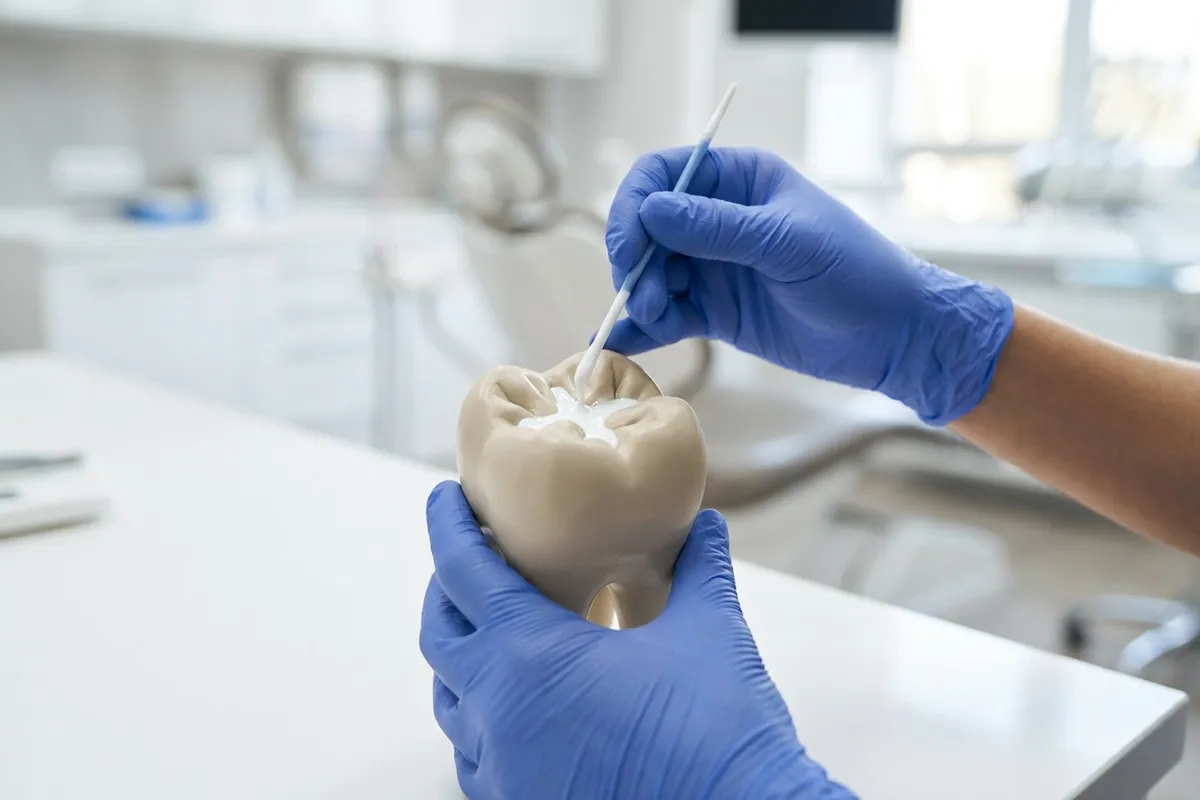
Why Tooth Grooves Need Protection
Some molars have deep pits and grooves that a toothbrush has difficulty reaching. Those surfaces can be vulnerable to decay even with a good home routine. Covering suitable grooves makes them easier to protect, especially when a newly erupted permanent tooth is difficult for a child to clean thoroughly.
The shape of a molar's chewing surface can make its grooves vulnerable even when the smoother sides are easier to brush. A newly erupted permanent molar may be considered for sealing while a child develops reliable cleaning skills. Adults can also have suitable surfaces. The decision should reflect the tooth's condition and decay risk rather than age or appearance alone.
- Deep grooves on chewing surfaces can trap plaque and food where toothbrush bristles do not clean as effectively as on smooth surfaces.
- A sealant forms a protective coating over suitable pits and grooves, reducing exposure of those areas to cavity-causing conditions.
- Sealants protect selected surfaces rather than the entire tooth; fluoride, interdental cleaning, and diet still matter for other areas.
Who May Benefit from Sealants
Children and teenagers commonly receive sealants on permanent molars, but adults with susceptible grooves may benefit too. The dental team considers previous cavities, tooth shape, and current hygiene. A tooth with an established cavity may need a filling instead; the decision depends on the examination rather than age alone.
Assessment considers whether the tooth has erupted enough to reach and keep appropriately dry during placement. Existing decay, a restoration, or a partly lost sealant changes what is needed. Tell the dentist about previous sealants and any difficulty cleaning the back teeth. Suitability is decided for each surface, so neighboring teeth do not necessarily receive the same preventive treatment.
- Newly erupted permanent molars often warrant assessment because their grooves may be difficult to keep clean during childhood.
- Adults may also benefit on suitable unsealed chewing surfaces, depending on tooth condition and cavity risk rather than age alone.
- Tell the treating team about previous sealants, frequent cavities, and difficulty cleaning back teeth so the recommendation addresses the surfaces actually at risk.
When to Consider Sealants
Permanent molars are often assessed for sealants after they erupt enough to be cleaned and kept dry during placement. Your dentist can also review unsealed teeth at later visits. Existing sealants need periodic checks because wear or partial loss can leave a groove exposed again.
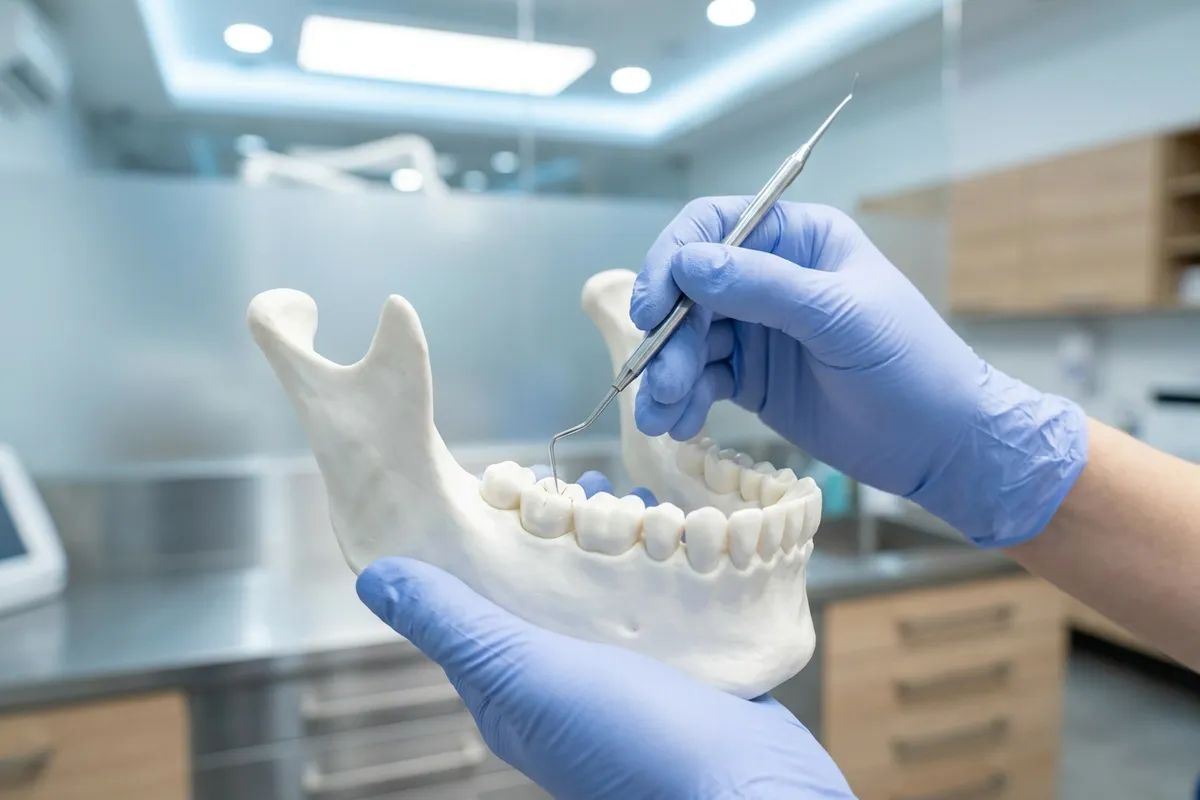
Assessment for dental sealants
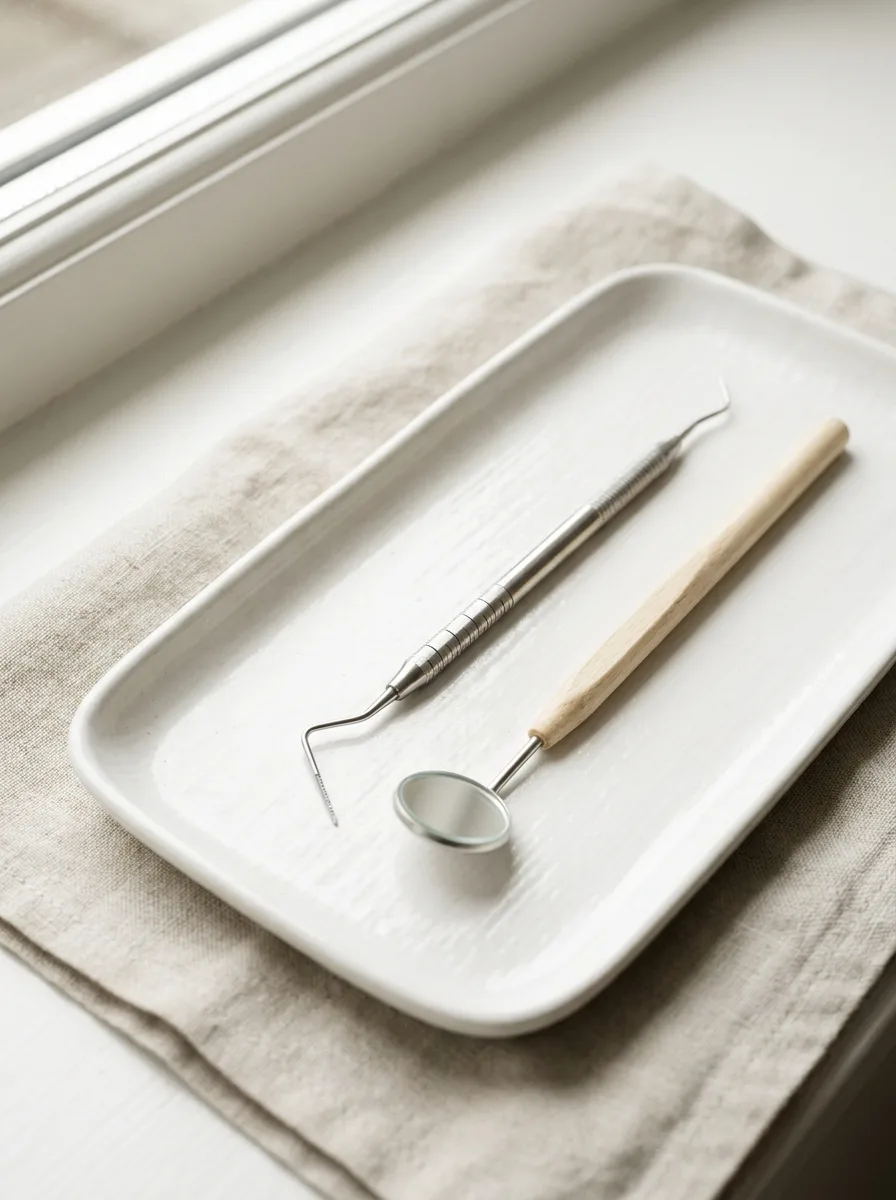
The dental team examines the tooth surface for decay, assesses the depth of its grooves, and considers your overall cavity risk. Imaging may be useful when a concern extends beyond the visible surface. The evaluation determines whether sealing, monitoring, or restorative treatment is the most appropriate approach for that tooth.
- Each tooth is checked for decay and existing restorations; a coating is not a substitute for treating a cavity that needs repair.
- Placement generally involves cleaning and preparing the surface, keeping it dry, applying the material, and checking the finished bite.
- If a tooth is only partly erupted or hard to isolate, discuss whether placement should wait or another preventive approach is appropriate.
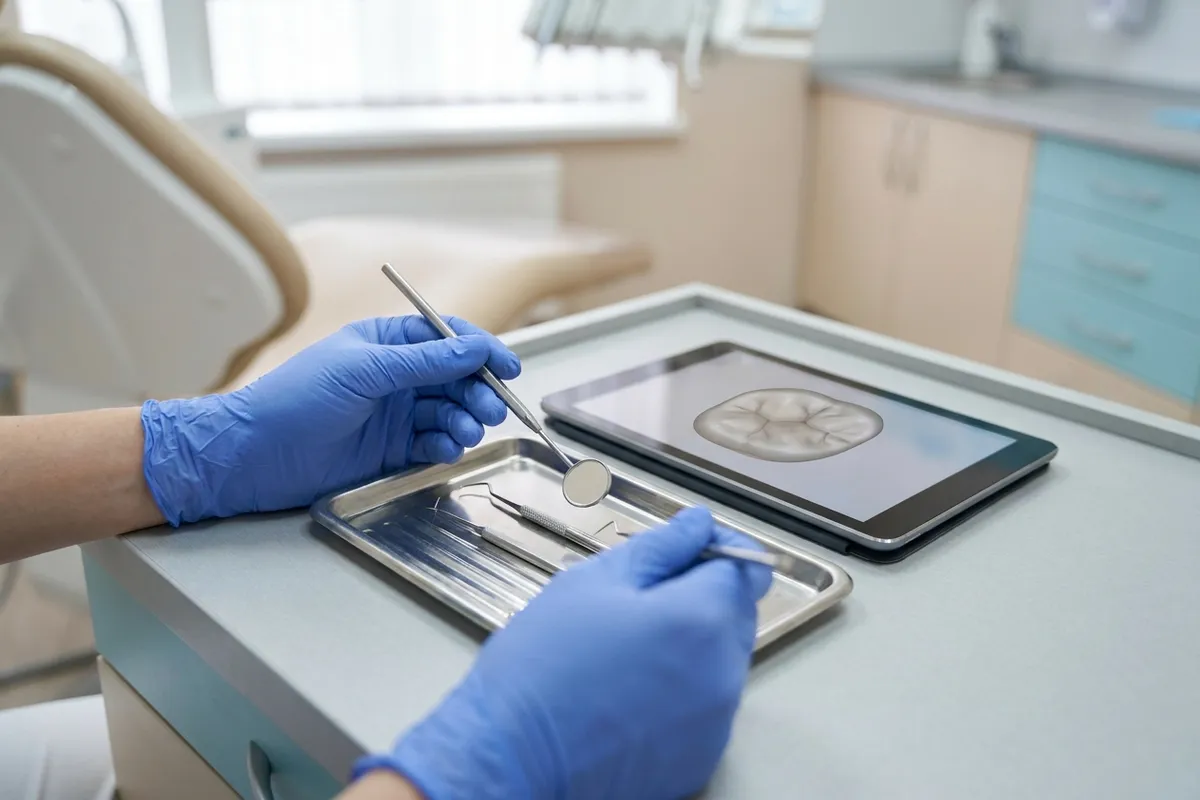
What Placement Involves
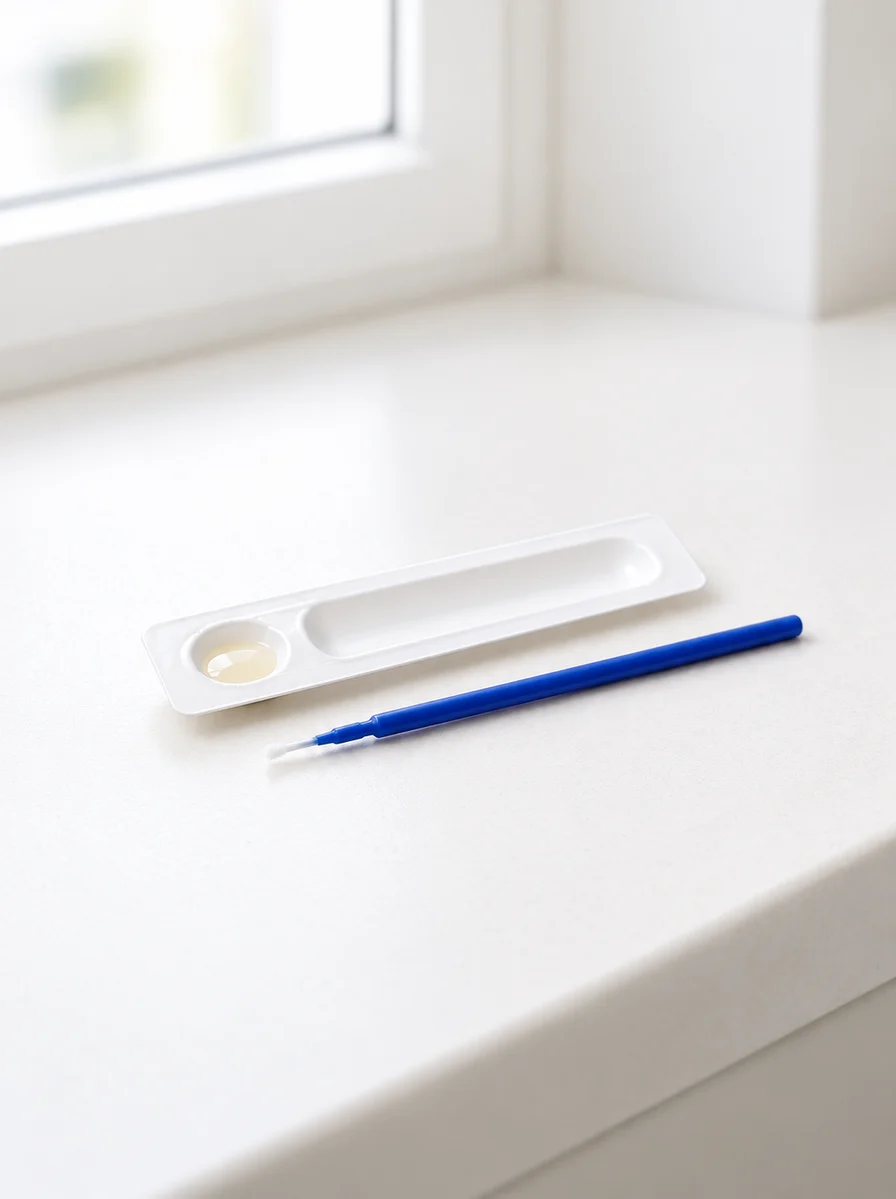
The tooth is cleaned and prepared, then the sealant material is applied to the grooves and allowed to set, often with a curing light. Placement usually does not require drilling or an anesthetic. The dental team checks coverage and the bite so the sealed surface is comfortable during chewing.
Placement usually involves cleaning the chewing surface, preparing it, applying the material, and allowing it to set. Ask how the bite and coverage will be checked afterward. Fluoride remains useful alongside a sealant because it protects differently. If a surface already has a cavity needing restoration, discuss that treatment instead of assuming a preventive coating can replace a filling.

Caring for Sealed Teeth
Brush and clean between teeth as usual; a sealant does not protect every tooth surface or eliminate cavity risk. Attend examinations so the dental team can check for wear and repair or replace sealants when needed. Contact the treating team if the bite feels different or a sealed tooth becomes sensitive.
At later examinations, the dentist checks whether the sealant still covers the intended grooves. Worn or missing areas may need repair or replacement rather than being left unprotected. Keep brushing with fluoride toothpaste and cleaning between teeth; the coating does not reach those spaces. Mention a rough edge, food catching, or a changed bite if you notice it after placement.
- Continue normal brushing and interdental cleaning; a sealant does not protect every surface or make the tooth immune to decay.
- Have sealants checked at dental visits because worn or partly missing material may need repair or replacement to maintain coverage.
- Report a new rough edge or uncomfortable bite, and follow any product-specific instructions provided after placement.
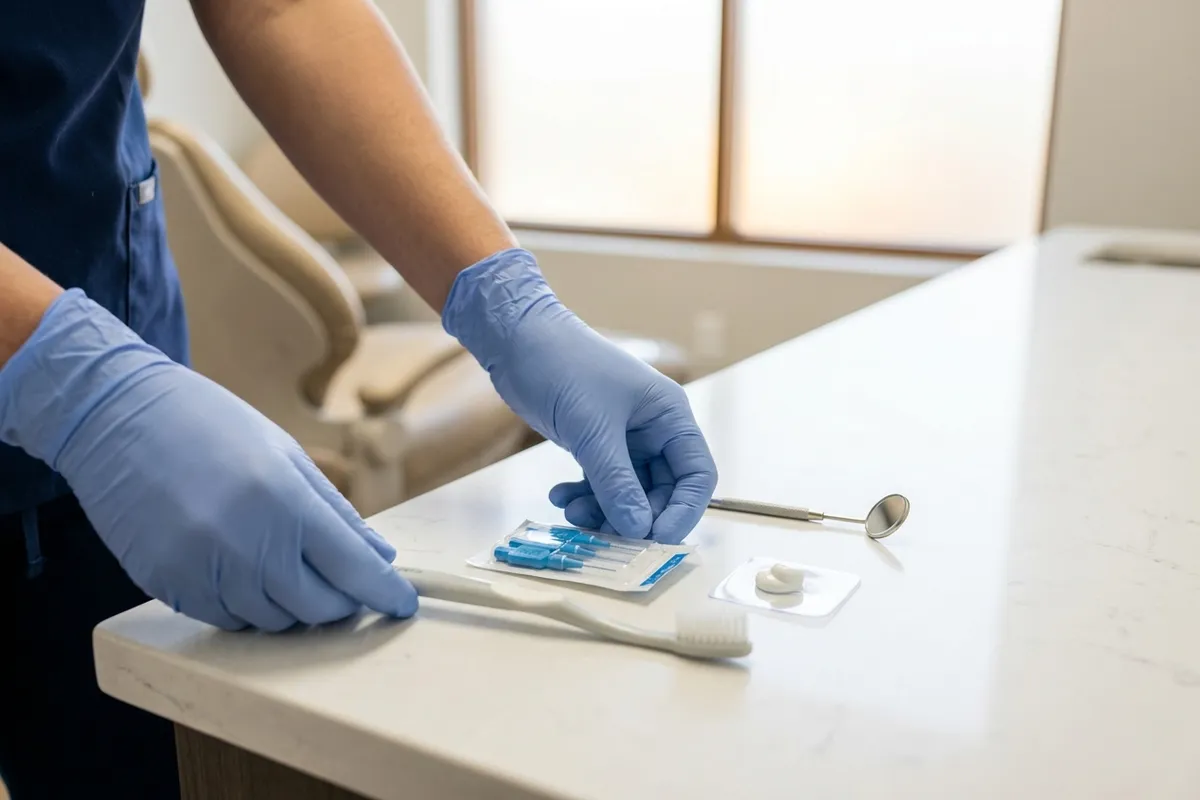
Dental sealants, step by step
- 1
Assess the tooth grooves
The dentist checks chewing surfaces, decay risk and whether the tooth is suitable for a sealant. Areas with established cavities may need a different treatment.
- 2
Clean and seal the surface
The selected tooth is cleaned and kept dry before sealant material is applied. The surface and bite are checked after the material has set.
- 3
Check the sealant at future visits
Continue fluoride toothpaste and daily cleaning. Dental reviews check for wear or loss of sealant so repair or reapplication can be considered if needed.
Services
Other treatments we offer
Questions about this treatment
Schedule your visit in Gloucester
Leland Dentistry & Implants opens in January 2027. Use our online form to request a consultation with Dr. Brian Leland.
About us
Why patients choose Leland Dentistry
Dr. Brian Leland teaches other dentists how to place dental implants.
Board-certified expertise
Dr. Leland is a Diplomate of the American Board of Oral Implantology.

Advanced treatments & restorations
From 3D-printed same-day single teeth to full-mouth solutions, our office utilizes the most cutting-edge technology to deliver restored smiles.

Clear communication
Your treatment plan is explained in plain English or in conversational Mandarin Chinese.
Visit us
We're waiting for you in Gloucester
76 Prospect St
Gloucester, MA 01930