
Service
Full and partial dentures in Gloucester
Dentures replace missing teeth with a removable appliance made from impressions of your own mouth. Partial dentures fill gaps between teeth you still have; full dentures replace a whole arch.
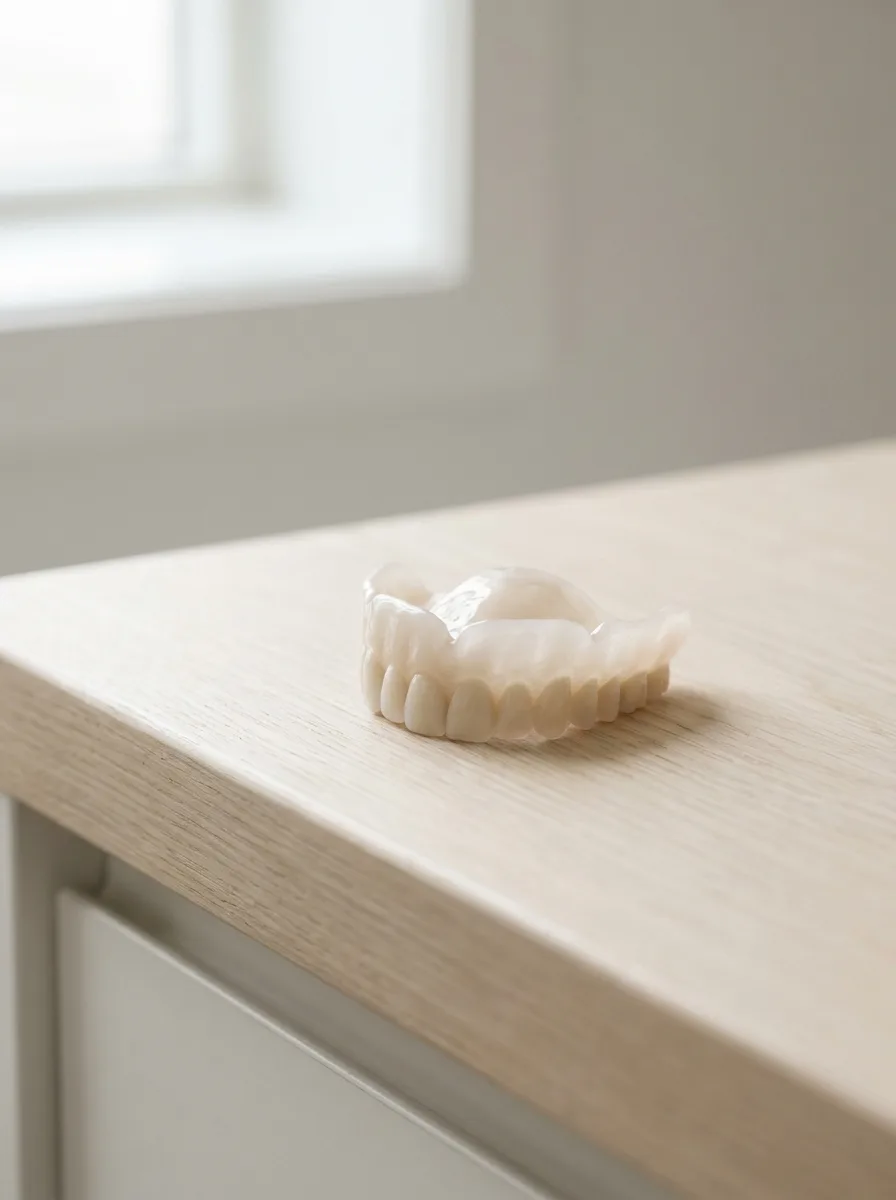
Understanding dentures
Dentures replace multiple missing teeth with a removable appliance. A partial denture fits around remaining teeth; a complete denture replaces all teeth in an arch. Design, fit, and the condition of supporting tissues influence comfort and function. Dentures are one option alongside bridges and implant-supported replacements.
Complete dentures replace teeth in an arch with no remaining natural teeth, while partial dentures fit around teeth that are still present. They are removable appliances, and their support can come from gums, remaining teeth, or implants when appropriate. The fit and daily routine differ between these designs. Knowing which type is proposed helps you prepare for wearing and cleaning it.
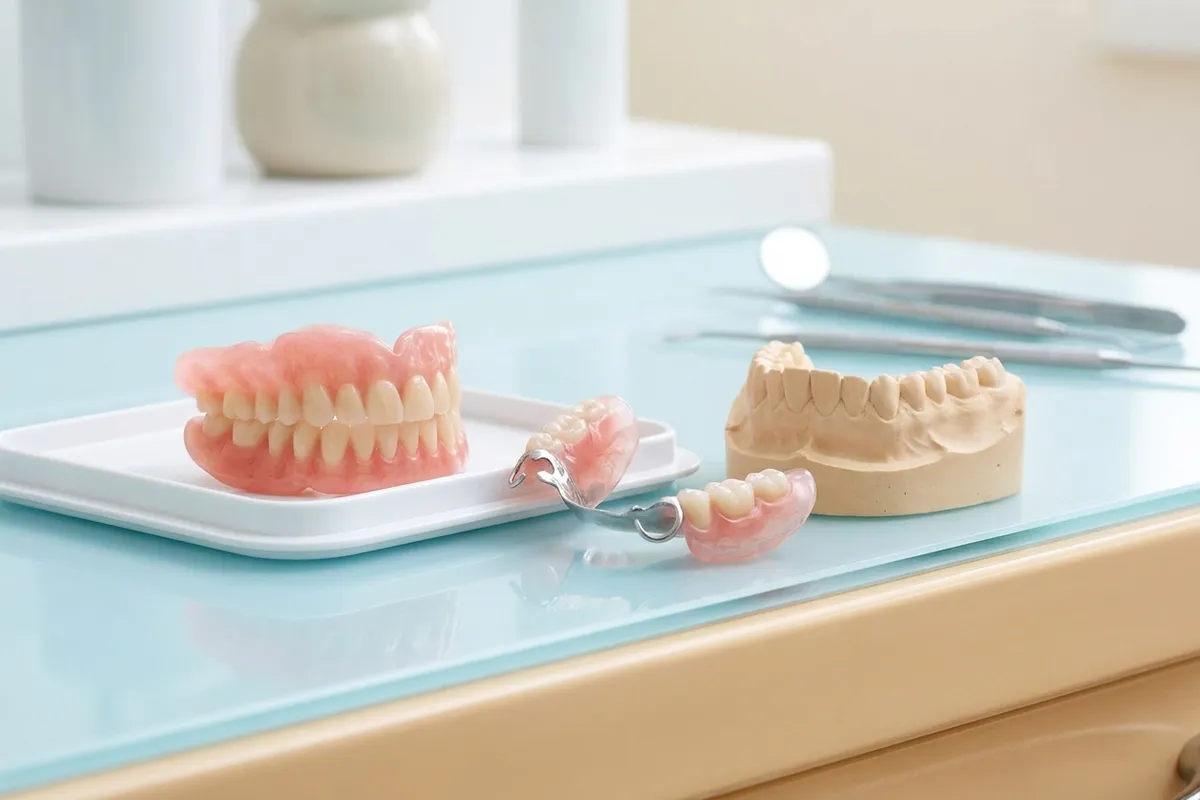
Why Tooth Replacement Matters
Missing teeth can make eating, speaking, and smiling more difficult. A denture can restore useful function and support appearance, although it may feel different from natural teeth. A partial must also work with the remaining teeth and gums. The plan balances these needs with cleaning, maintenance, and your preferences.
Several missing teeth can make eating and speaking difficult in ways that a single gap does not. A denture may restore a broader area without a separate replacement for every tooth. Expectations should include learning to use a removable appliance and having its fit reviewed. Discuss sore areas, instability, or difficulties with an existing denture rather than assuming every problem requires replacement.
- Complete dentures replace a full arch, while partial dentures work around remaining teeth and must protect those teeth during use.
- A removable replacement can restore useful chewing and appearance, although adaptation and limitations differ from those of natural teeth.
- Poorly fitting dentures can create sore areas or instability, so increasing adhesive is not always the appropriate long-term solution.
Concerns to Bring Up
Tell the treating team about loose or broken dentures, sore spots, chewing difficulties, and any changes in speech or fit. If you still have natural teeth, their health matters to the design. A denture that becomes uncomfortable may need adjustment or replacement rather than more adhesive or an improvised repair.
The dentist considers the shape of the supporting tissues and, for a partial denture, the health of the remaining teeth. Explain dry mouth, sore areas, and difficulties handling an appliance. These factors can affect comfort and cleaning. Any teeth used for support still need protection from decay and gum disease, even when the denture replaces most of the visible smile.
- Tell the treating team whether this is your first denture or a replacement and which problems you experienced with a previous appliance.
- Remaining teeth need assessment for decay, gum support, and suitability as supports before a partial denture is designed.
- Discuss dry mouth, limited dexterity, or difficulty removing an appliance because these may affect comfort and the daily care plan.
When to Plan Dentures
Planning can begin before extractions when an immediate denture is being considered, or after tissues have healed for a conventional approach. Gums and bone change during healing, so fit may need adjustment. The dental team explains the likely stages and whether a temporary appliance is part of your plan.
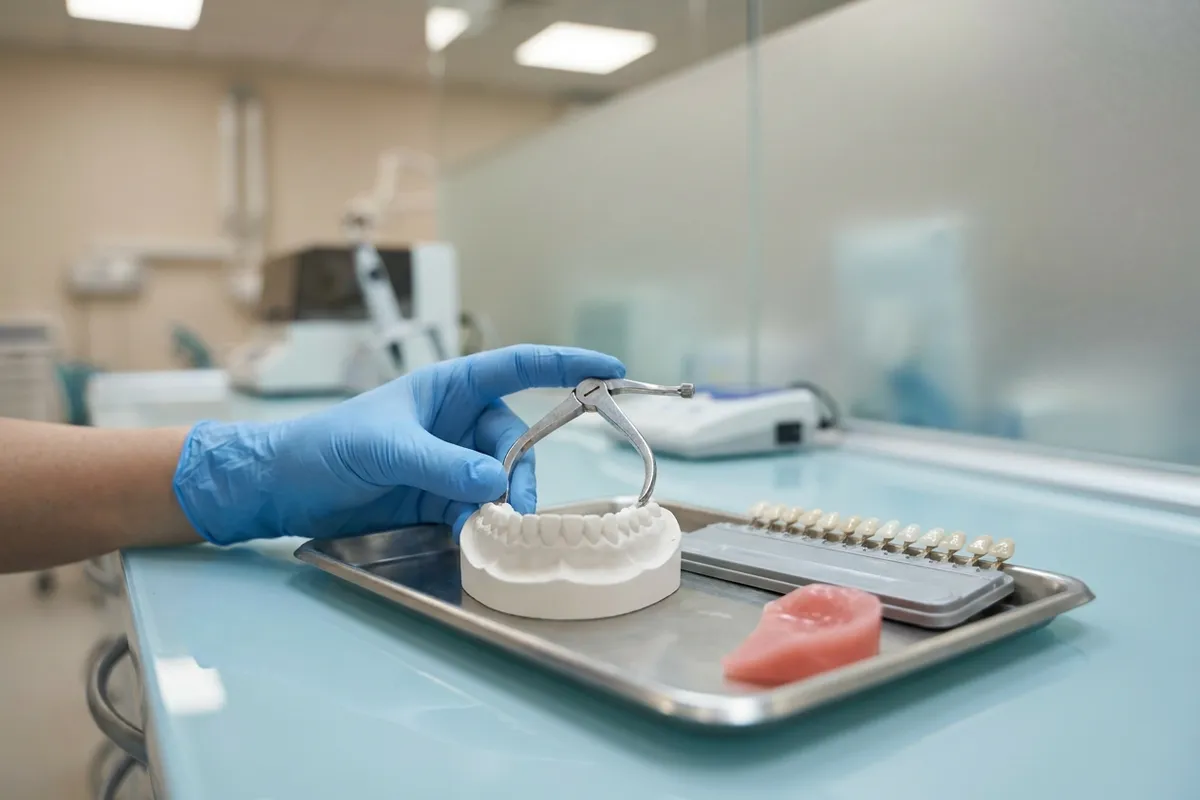
Assessment for dentures
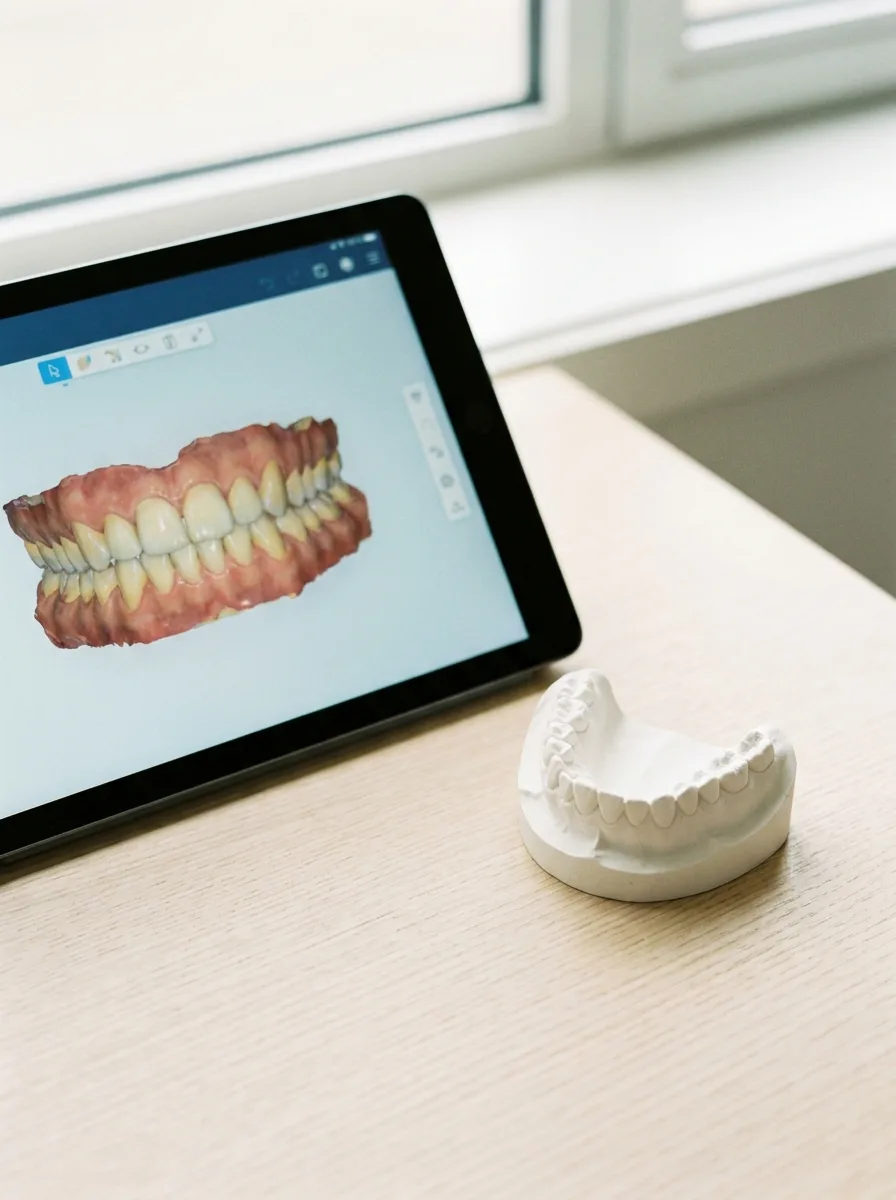
The dental team examines the remaining teeth, gums, supporting ridges, and bite, and reviews relevant health history. Impressions or scans and measurements help establish fit, tooth position, and appearance. The dental team discusses expectations for chewing and adaptation, as well as whether tooth-supported or implant-supported alternatives may be suitable.
- Impressions or scans record supporting tissues, while jaw measurements guide the position of teeth and how the arches meet.
- Where a trial stage is included, review appearance, speech, and bite before final processing, recognizing later adjustments may still be needed.
- If extractions are planned, compare immediate and later dentures and clarify how healing-related tissue changes will be managed.
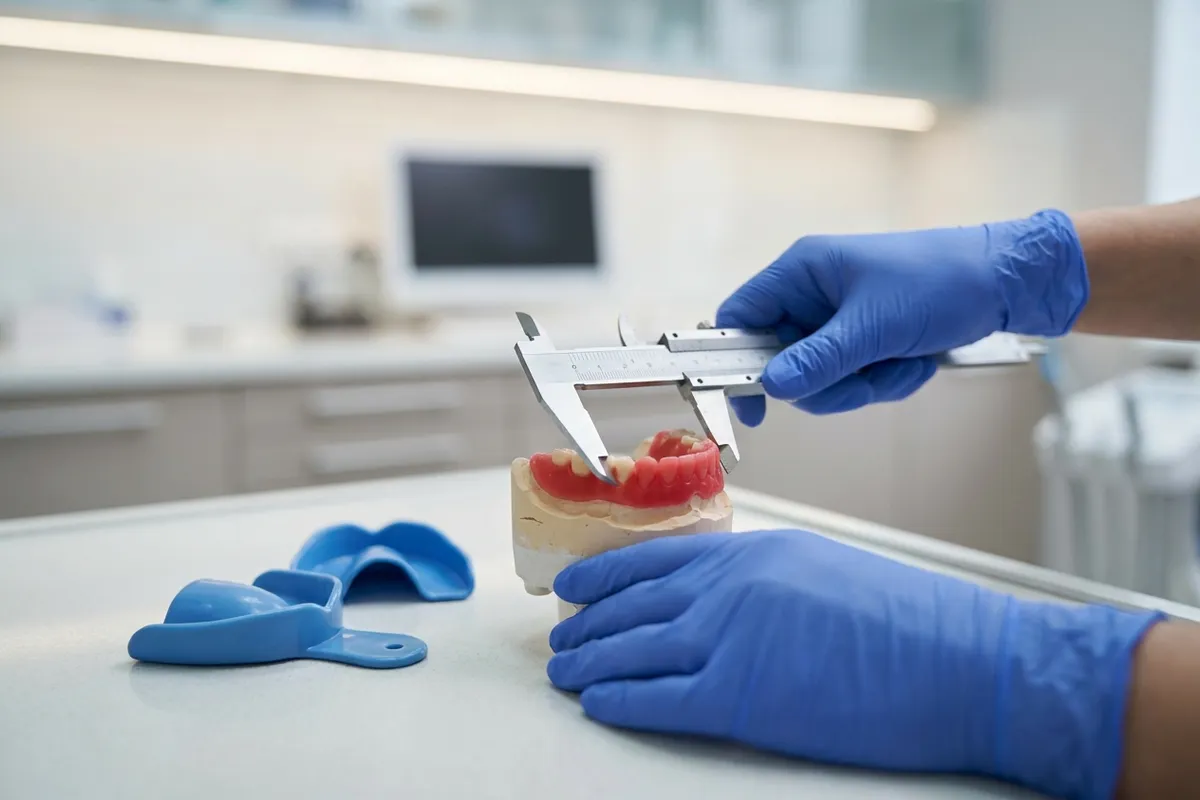
Denture Options and Fitting
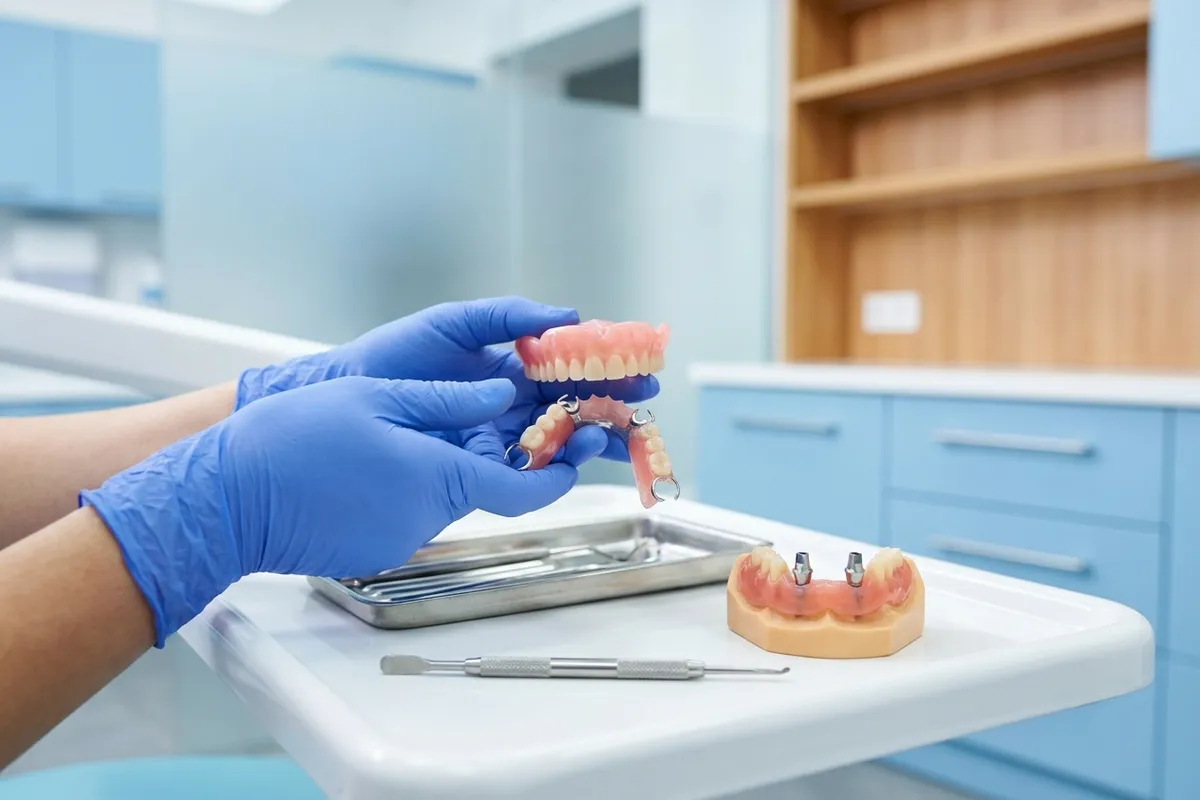
Options include complete dentures, removable partials, and selected implant-supported designs. Fitting may involve several appointments and a trial stage to review appearance and bite. Adjustments after delivery are common. Let the treating team know where pressure or movement occurs so changes can be made to the appliance appropriately.
A conventional removable denture, an implant-retained denture, and a fixed replacement have different support and care requirements. Implant options also involve assessing surgical suitability. Ask how the proposed appliance would be taken out, what happens as the mouth changes, and whether adjustment, relining, or replacement could address an existing fit problem before choosing a more involved treatment plan.
Daily Care and Follow-Up
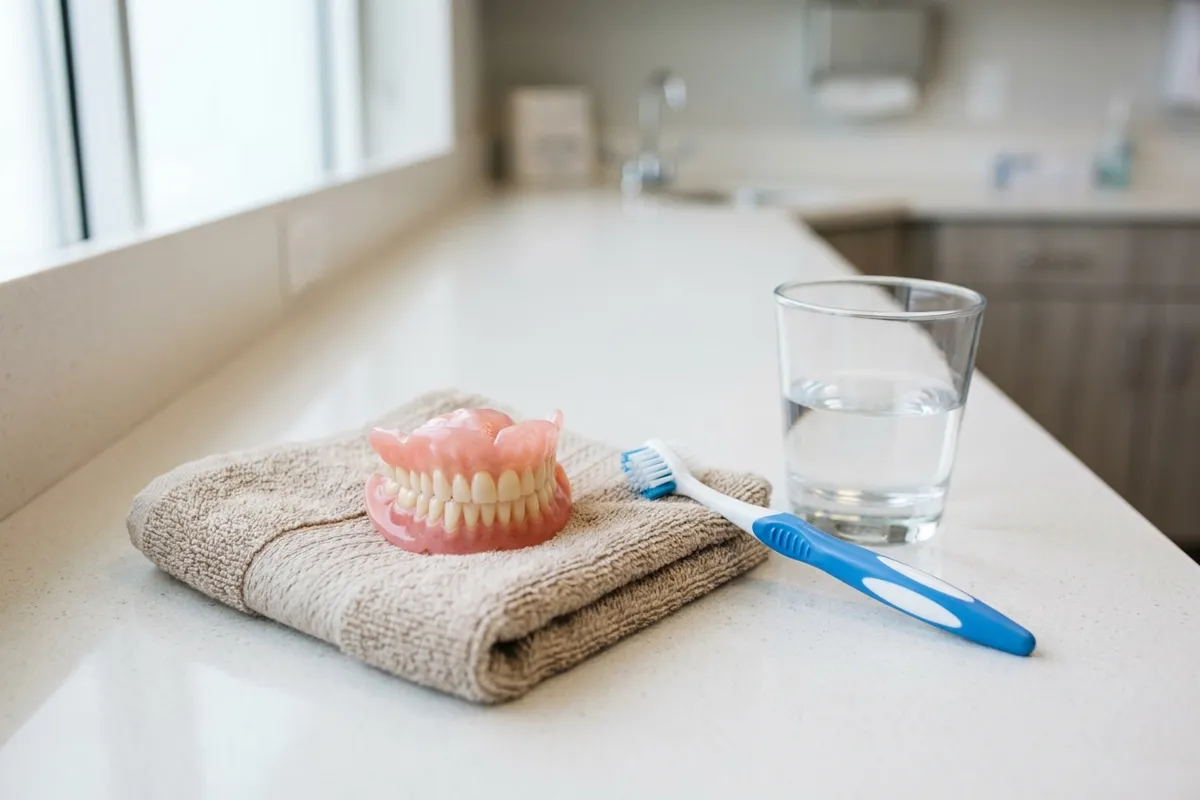
Clean dentures and oral tissues each day, follow instructions about storage and removal, and keep review appointments. Most removable dentures should be taken out during sleep unless directed otherwise. Never bend clasps or repair an appliance yourself. Persistent soreness, looseness, or a damaged denture needs professional attention.
Remove and clean the denture according to its instructions, and continue cleaning the gums and any remaining teeth. Bring the appliance to reviews so pressure areas and fit can be checked. Do not reshape a sore edge or add household adhesives. Persistent soreness or increasing looseness needs assessment, since the tissues supporting a denture can change after it is made.
- Start with manageable foods and follow guidance on adaptation; persistent rocking or soreness should be assessed rather than endured indefinitely.
- Clean the appliance outside the mouth using suitable products, rinse it thoroughly, and follow instructions for overnight removal and storage.
- Avoid hot water, bending clasps, or household glues; bring a cracked or poorly fitting denture for professional assessment.
Denture care, step by step
- 1
Choose the denture approach
Review remaining teeth, gums and the shape of the jaw. Discuss complete, partial or suitable implant-supported options and how any extractions affect the sequence.
- 2
Record, try and fit the appliance
Records guide the denture's shape and bite. Trial or fitting appointments review appearance, speech and comfort before the appliance is completed.
- 3
Adjust and care for the denture
Use the recommended cleaning routine and report pressure spots for professional adjustment. Reviews check oral tissues and fit as the mouth changes over time.
Services
Other treatments we offer

Questions about this treatment
Schedule your visit in Gloucester
Leland Dentistry & Implants opens in January 2027. Use our online form to request a consultation with Dr. Brian Leland.
About us
Why patients choose Leland Dentistry
Dr. Brian Leland teaches other dentists how to place dental implants.
Board-certified expertise
Dr. Leland is a Diplomate of the American Board of Oral Implantology.
Advanced treatments & restorations
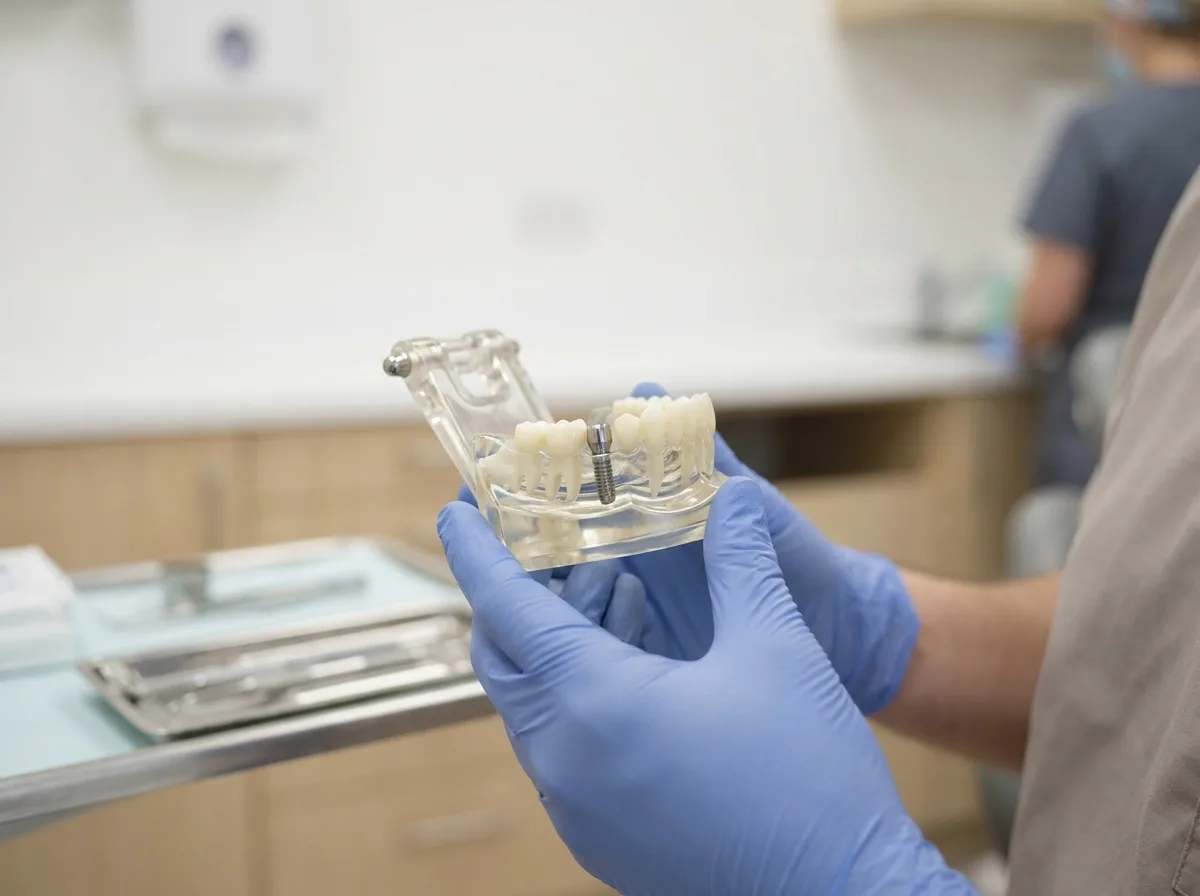
From 3D-printed same-day single teeth to full-mouth solutions, our office utilizes the most cutting-edge technology to deliver restored smiles.

Clear communication
Your treatment plan is explained in plain English or in conversational Mandarin Chinese.
Visit us
We're waiting for you in Gloucester
76 Prospect St
Gloucester, MA 01930