
Service
Cosmetic dentistry in Gloucester
Cosmetic dentistry improves the colour, shape and evenness of your teeth. We start with what bothers you and suggest the simplest treatment that fixes it.

Understanding cosmetic dentistry
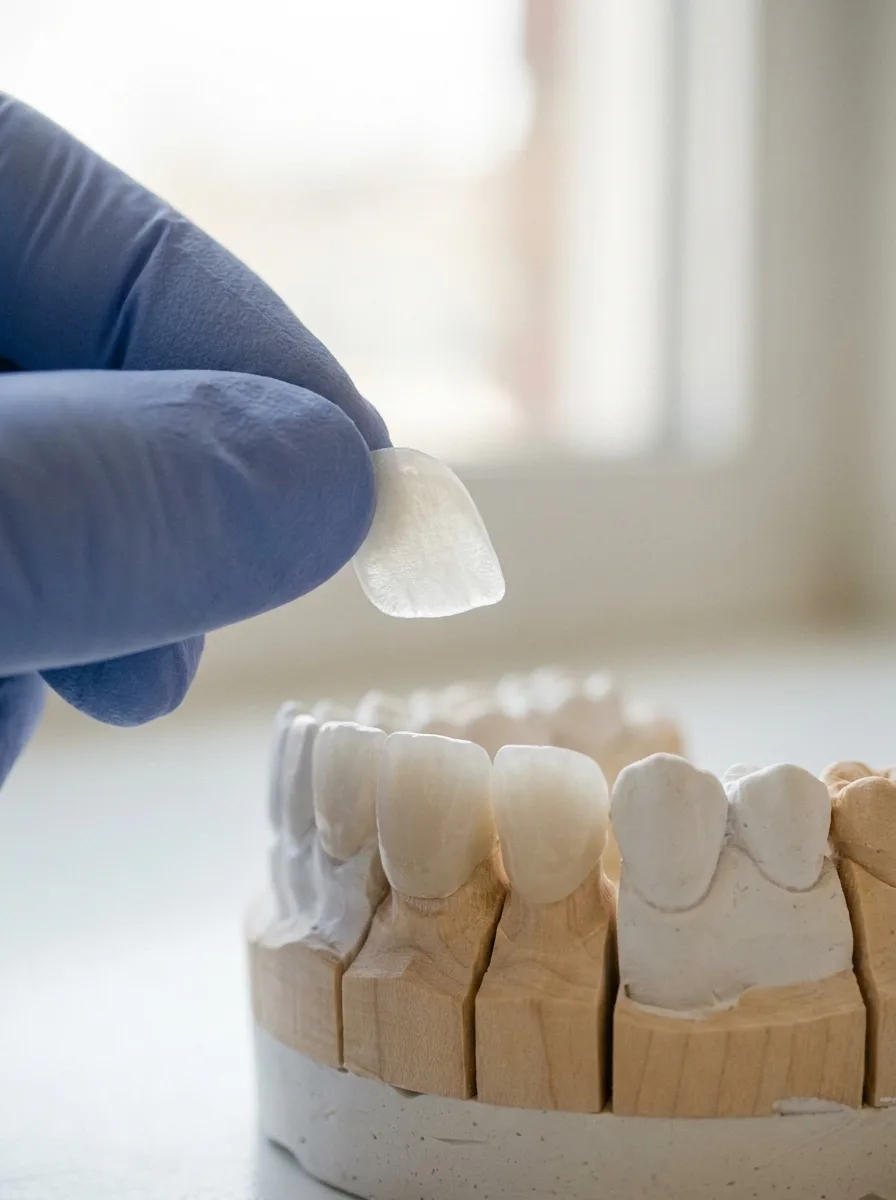
Cosmetic dentistry considers changes to tooth color, shape, spacing, and the appearance of the smile. Options can include whitening, bonding, veneers, or selected restorative and alignment care. The right choice starts with healthy teeth and gums and may be a single conservative change rather than a complete smile makeover.
Cosmetic dentistry brings together treatments that change different aspects of a smile. Whitening changes suitable natural tooth color, while bonding or veneers can alter selected shapes; a crown has a different restorative role. Start by identifying the feature you want to change. The assessment should show which approach addresses that concern with appropriate preservation of the healthy tooth.

Why Cosmetic Planning Matters
A concern about appearance can have several causes, and different treatments change different features. Whitening will not change tooth shape or lighten existing restorations, while alignment moves teeth rather than covering them. Considering the cause and your priorities helps avoid unnecessary preparation and choose an option that fits the concern.
A wish for a brighter smile may need a different response from concern about a chipped edge or damaged restoration. Some changes also affect chewing or reveal an underlying disease problem. Explain what bothers you and how it affects daily life. That discussion helps avoid adding procedures simply because they are commonly presented together as a complete cosmetic package.
- Discoloration, small chips, worn edges, and uneven tooth positions are different concerns and do not all require the same procedure.
- Changing tooth color alone may be enough for some goals, while shape or position concerns can call for other approaches.
- Restoring a damaged visible tooth may have both functional and appearance benefits, but the diagnosis should guide the extent of treatment.
Goals to Discuss
Bring specific concerns such as chipped edges, uneven color, small gaps, or dissatisfaction with existing dental work. Photos can help explain your preferences, but another person’s smile is not a blueprint for your mouth. The dental team discusses what is achievable with your teeth, bite, facial features, and maintenance expectations.
Elective appearance changes should begin with an assessment of tooth and gum health. Tell the dentist about sensitivity, grinding, earlier trauma, and existing restorations. Each can affect the result or maintenance of the proposed treatment. A dark tooth or changing gumline may need its cause investigated first, so the cosmetic plan follows the diagnosis rather than concealing an unresolved concern.
- Explain the feature that bothers you and whether you prefer a subtle change, a brighter shade, or correction of a specific defect.
- Mention existing crowns, veneers, and fillings because their shade and shape may need separate planning from changes to natural teeth.
- Discuss sensitivity, grinding, gum concerns, and willingness to maintain restorations before choosing an elective procedure with lasting preparation.
When to Plan Cosmetic Care
Active decay, gum disease, and structural concerns are assessed before elective changes. Whitening or alignment may need to happen before choosing a restoration shade or shape. Discuss your schedule and desired changes early, while allowing the clinical sequence and any healing periods to guide the timing.
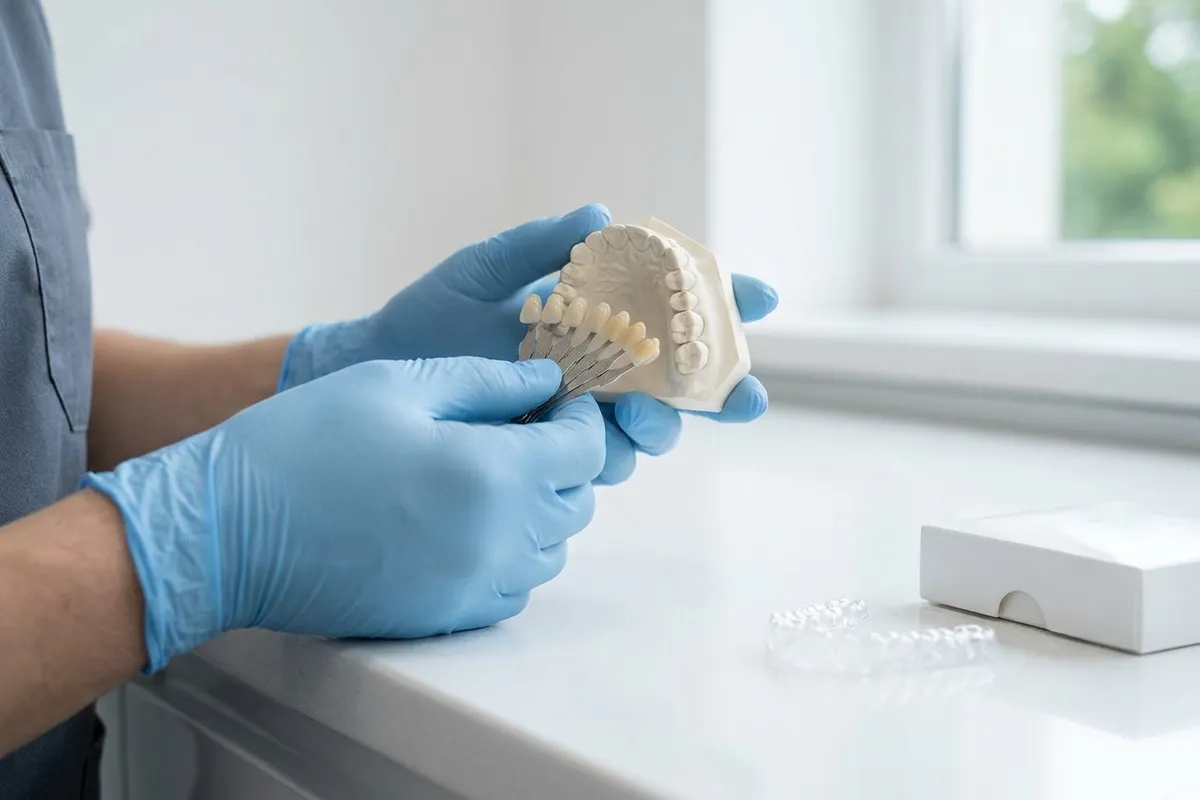
Assessment for cosmetic dentistry
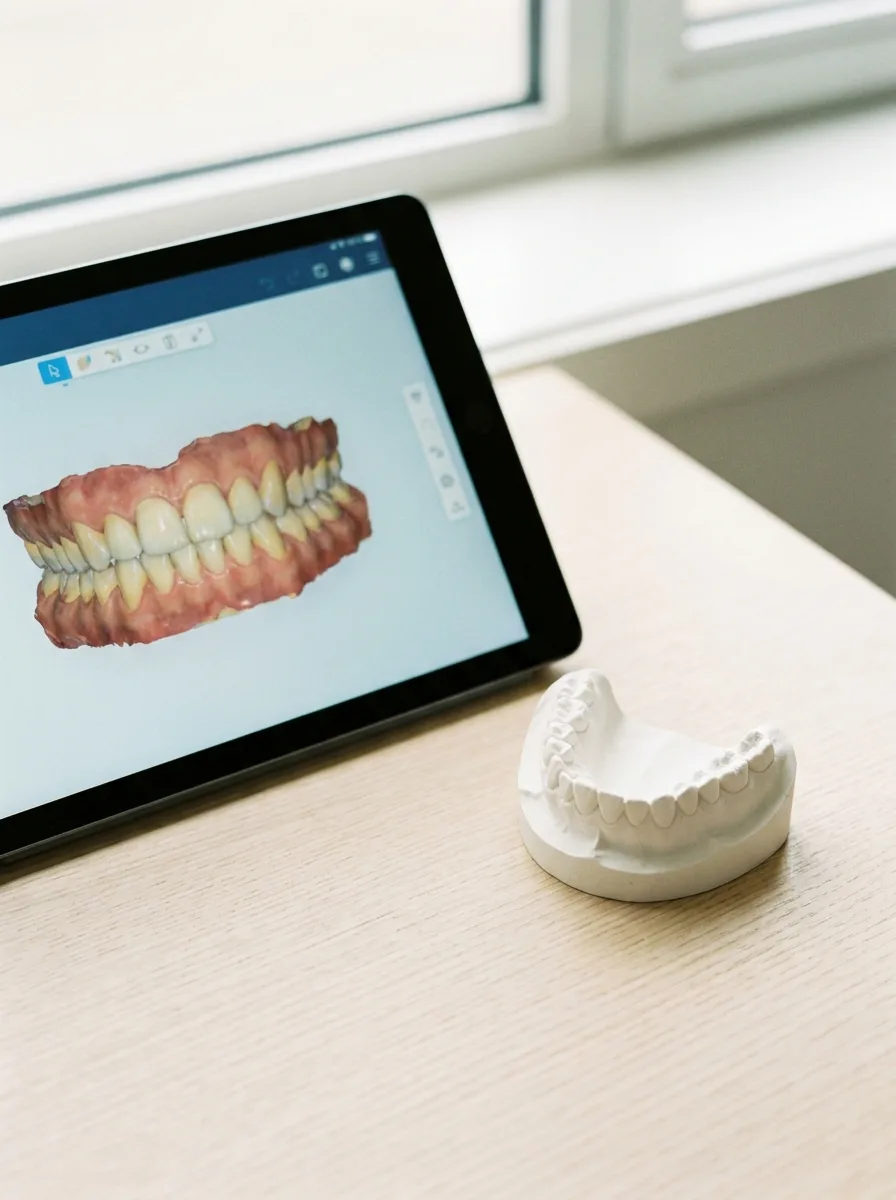
The dental team assesses teeth, gums, the bite, existing restorations, and your goals for appearance and function. Photographs and appropriate records can support the discussion. The dental team explains how individual treatments would fit together, what can be previewed, and where biological or material limits affect the proposed result.
- The examination separates healthy cosmetic concerns from decay, structural damage, or gum disease that should be addressed first.
- Records and shade comparisons help explain options, while bite assessment identifies forces that could affect bonding or restorations.
- Ask what the proposed procedure can change, what it cannot change, and how much natural tooth structure it will involve.
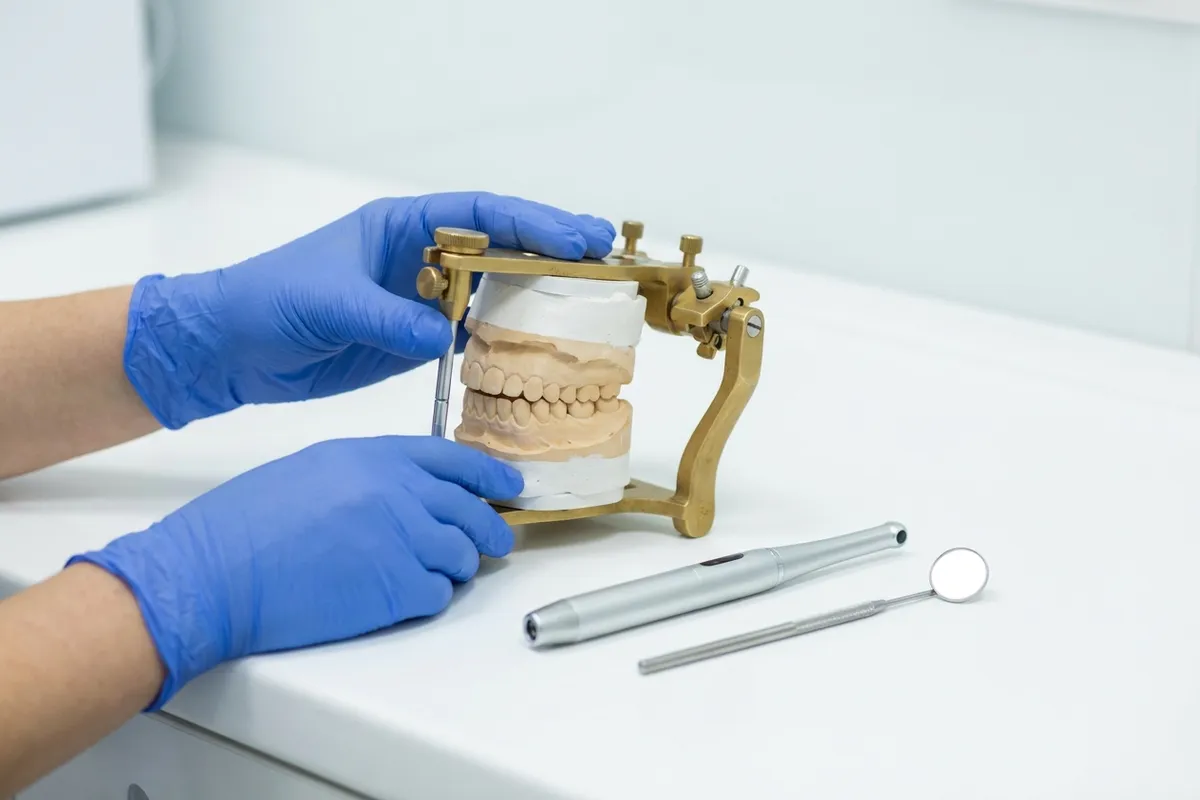
Treatment Options and Tradeoffs
Whitening changes suitable natural tooth color; bonding and veneers can change shape; aligners move teeth; and restorations repair damaged areas. These choices differ in tooth preparation, reversibility, cost, and future maintenance. The dental team compares combinations and explains the most conservative options that could meet your goals.
Compare treatments by what they actually change and whether they remove tooth structure. A color concern may be managed differently from spacing or a broken edge. Ask about maintenance, future repair, and alternatives before preparing healthy teeth. Some goals can be met with a limited treatment or observation; a combination should have a clear reason for each step in your mouth.
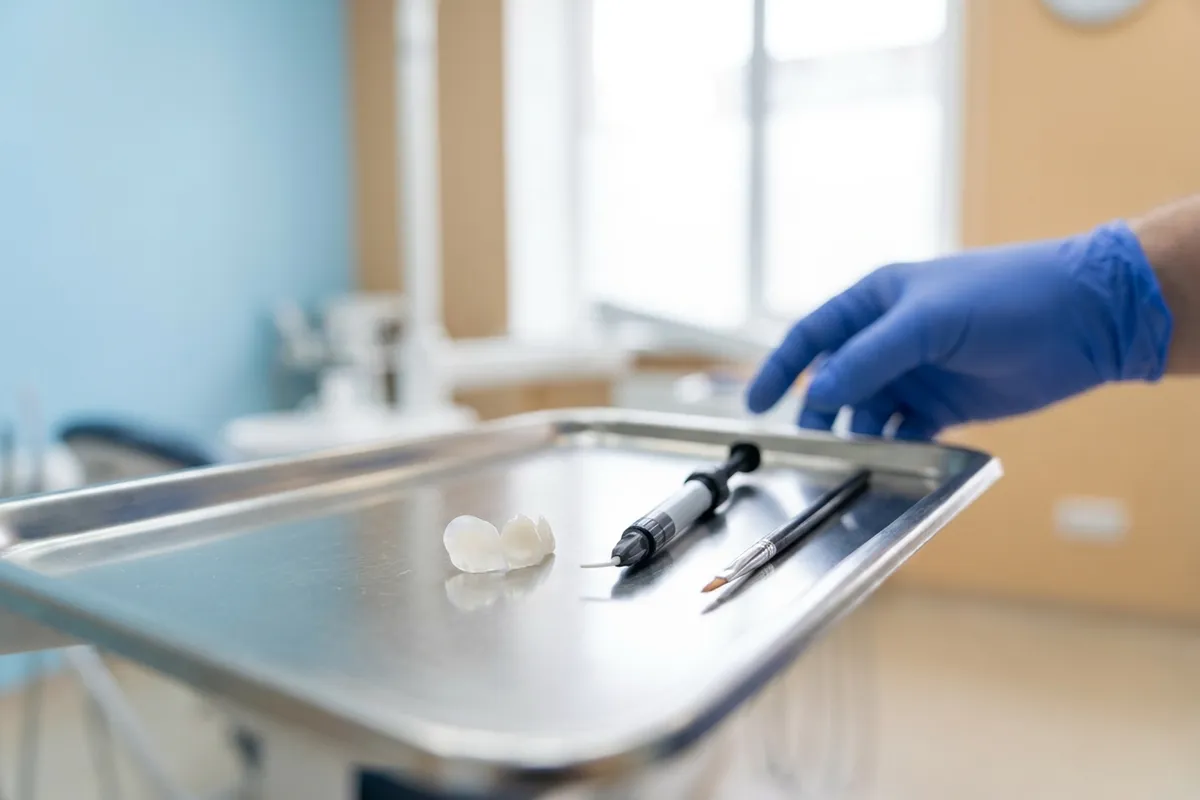
Caring for Your New Smile
Follow the instructions for each treatment and keep regular examinations and cleanings. Retainers or protective appliances may be recommended when appropriate. Cosmetic dental work can stain, wear, or need repair over time. Report persistent sensitivity, a high bite, or a loose restoration instead of waiting for the next routine visit.
Your maintenance plan should name the cosmetic treatment received. A whitened tooth, bonded edge, and veneer have different questions about sensitivity, wear, or repair. Continue prevention on the natural teeth and keep reviews of existing restorations. Report a rough margin, bite change, or persistent irritation so appearance changes do not distract from a problem that needs adjustment or further assessment.
- Follow the specific instructions for whitening, bonding, restorations, or alignment rather than assuming all cosmetic treatments share one aftercare routine.
- Keep preventive care and cleaning around restoration margins; cosmetic improvement does not remove the risk of cavities or gum inflammation.
- Report persistent sensitivity, a damaged edge, or an uncomfortable bite, and review maintenance or future repair needs at follow-up visits.
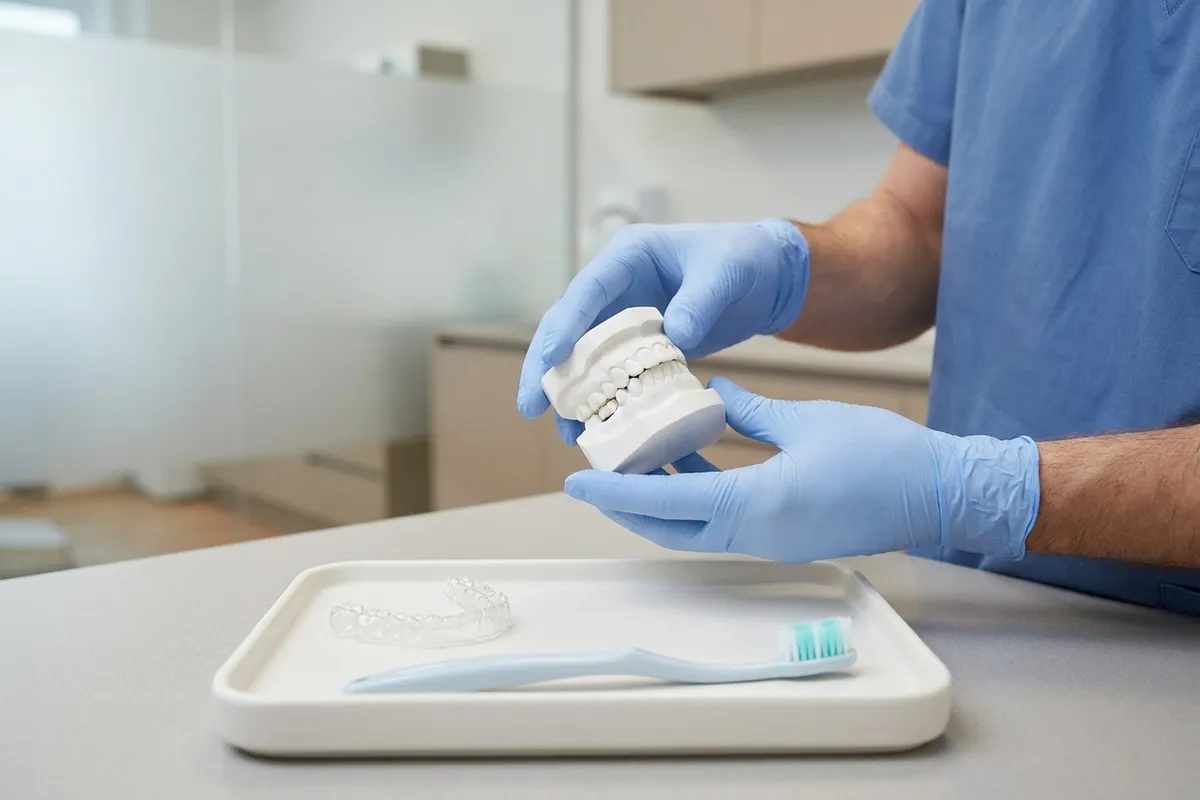
Cosmetic planning, step by step
- 1
Define your goals and assess oral health
Explain the color, shape or alignment changes you want. Examination identifies decay, gum disease or bite concerns that should influence cosmetic decisions.
- 2
Compare conservative options and sequence
Discuss suitable approaches and their effects on tooth structure, maintenance and reversibility. The order accounts for any health treatment, whitening or alignment needed before restorations.
- 3
Review the outcome and maintenance
As agreed treatments are completed, check appearance and function together. Follow care advice for the chosen procedures and revisit any adjustments with the dental team.
Services
Other treatments we offer

Questions about this treatment
Schedule your visit in Gloucester
Leland Dentistry & Implants opens in January 2027. Use our online form to request a consultation with Dr. Brian Leland.
About us
Why patients choose Leland Dentistry
Dr. Brian Leland teaches other dentists how to place dental implants.
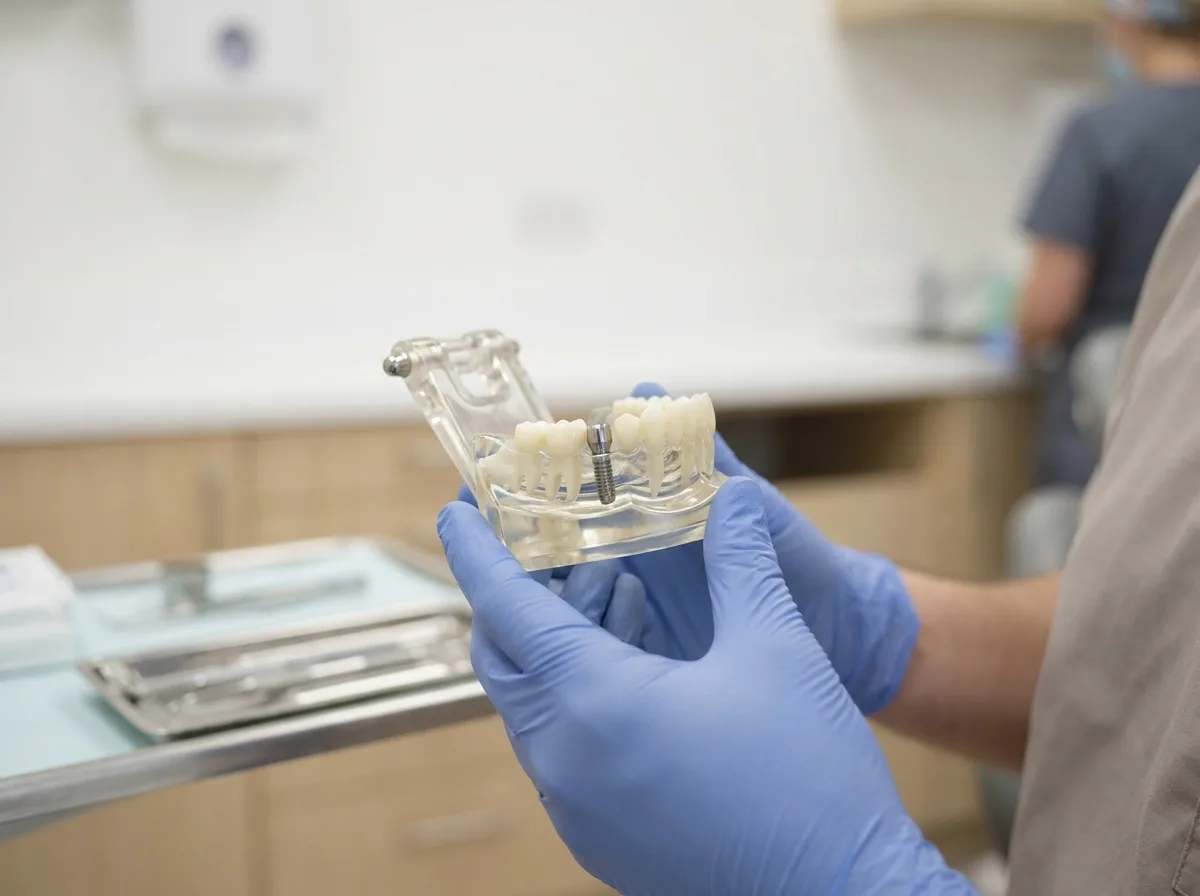
Board-certified expertise
Dr. Leland is a Diplomate of the American Board of Oral Implantology.
Advanced treatments & restorations
From 3D-printed same-day single teeth to full-mouth solutions, our office utilizes the most cutting-edge technology to deliver restored smiles.

Clear communication
Your treatment plan is explained in plain English or in conversational Mandarin Chinese.
Visit us
We're waiting for you in Gloucester
76 Prospect St
Gloucester, MA 01930