
Service
Fluoride treatment in Gloucester
Fluoride strengthens tooth enamel and helps it resist the acids that cause cavities. A professional application takes a few minutes at the end of a cleaning.
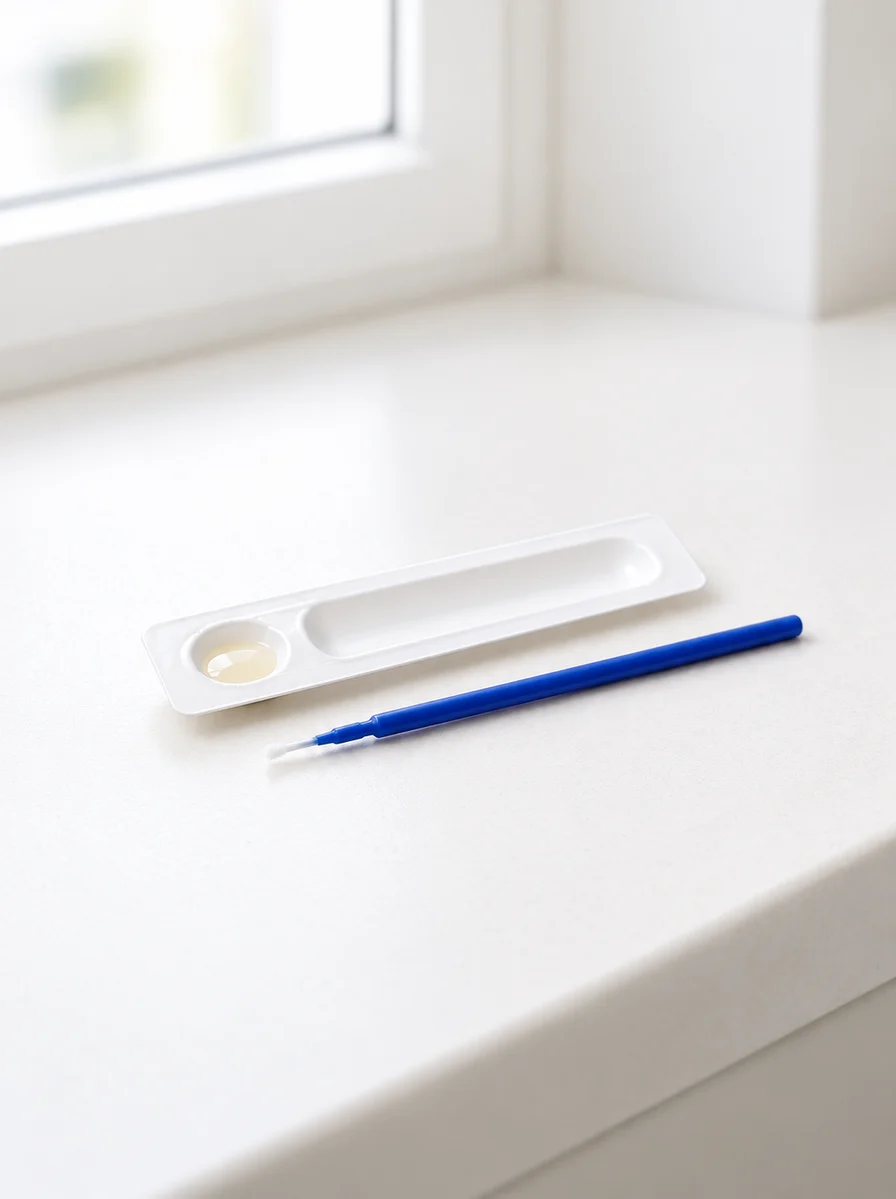
Understanding fluoride treatment
Fluoride helps strengthen enamel and supports the repair of early mineral loss. A professional treatment provides additional protection for patients whose risk of decay warrants it. It complements daily fluoride toothpaste and other preventive care, rather than repairing a cavity that already needs a restoration.
Topical fluoride acts on tooth surfaces to improve resistance to decay. A professional application adds to, rather than replaces, regular use of fluoride toothpaste. It differs from a sealant, which physically covers selected grooves. The relevant question is which teeth and risks need extra protection, since a single application cannot remove the ongoing causes of repeated acid exposure.
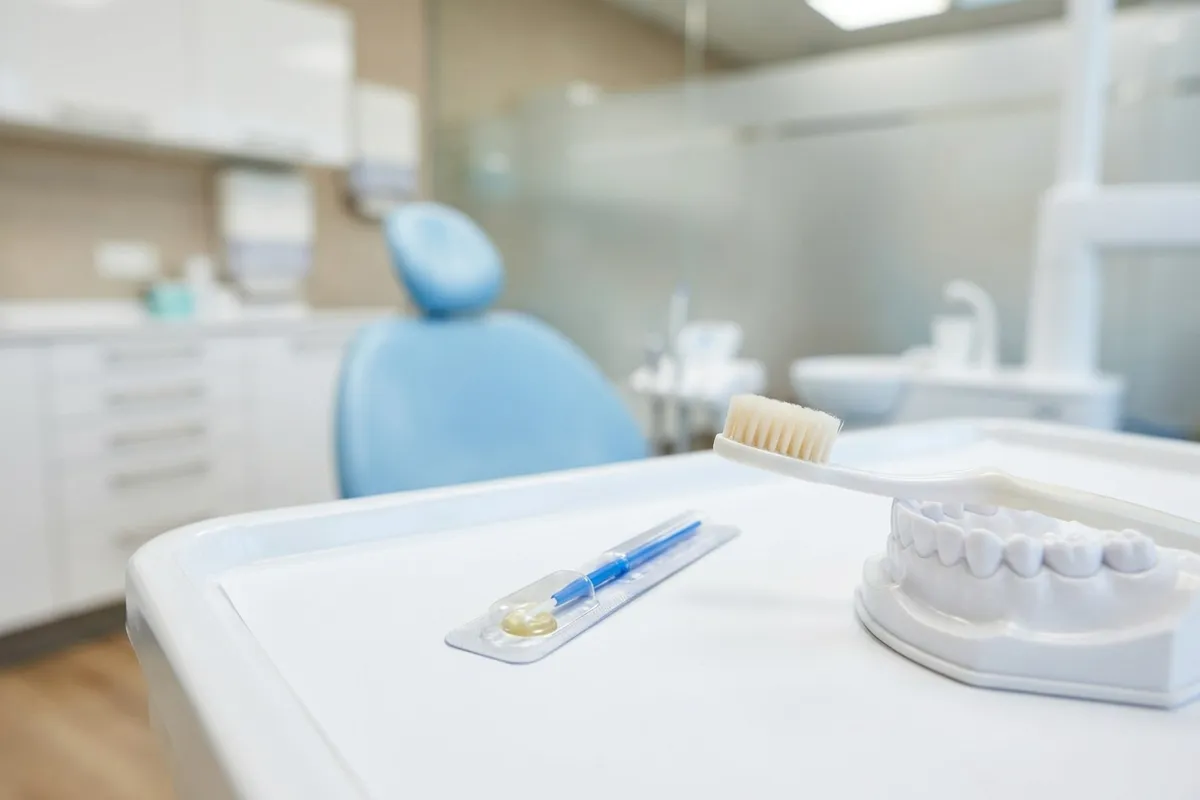
Why Additional Fluoride May Help
Frequent exposure to sugars, dry mouth, and areas that are difficult to clean can increase cavity risk. Exposed root surfaces can also be more vulnerable than enamel-covered areas. Professional fluoride can be one part of reducing that risk while the dental team addresses the habits or conditions contributing to it.
Repeated cavities, exposed root surfaces, or persistent dry mouth may lead the dentist to discuss additional fluoride protection. These situations differ from having an otherwise low-risk mouth. The assessment should explain what is increasing your chance of decay and how fluoride fits the response. Cleaning and diet changes may still be needed even when a professional product is recommended.
- Fluoride supports enamel remineralization when early mineral loss occurs, helping make suitable tooth surfaces more resistant to future acid attacks.
- People with recurrent cavities, exposed roots, or reduced saliva may need additional protection beyond their usual toothpaste routine.
- Professional fluoride is preventive care; it does not fill a large cavity, rebuild a broken tooth, or treat an infected pulp.
Who May Benefit
Fluoride treatment is not limited to children. Adults with recent cavities, dry mouth, exposed roots, or certain appliances may be candidates. The dental team considers your history and existing fluoride exposure before recommending additional products. Tooth sensitivity also deserves evaluation, since fluoride is not the answer to every cause of discomfort.
Tell the team which toothpastes, rinses, prescription products, or supplements you already use. Age, the ability to follow application instructions, and current decay risk influence product selection. Children need guidance appropriate to their development. The dentist should review the whole fluoride routine before adding another product, rather than assuming every available source should be used together or at the same strength.
- Share your cavity history, dry-mouth symptoms, and medications so the recommendation reflects current risk rather than a standard add-on.
- Tell the treating team which toothpaste, rinses, and other fluoride products you use; children also need age-appropriate advice about swallowing and supervision.
- Ask whether the proposed application adds meaningful protection for your teeth, including exposed roots or difficult-to-clean areas.
When to Schedule Treatment
Fluoride is often offered during a preventive appointment when the assessment shows a benefit. The frequency is based on risk and the product being used. If your medications or health change and your mouth becomes dry, let the treating team know so the dental team can reassess your prevention plan.
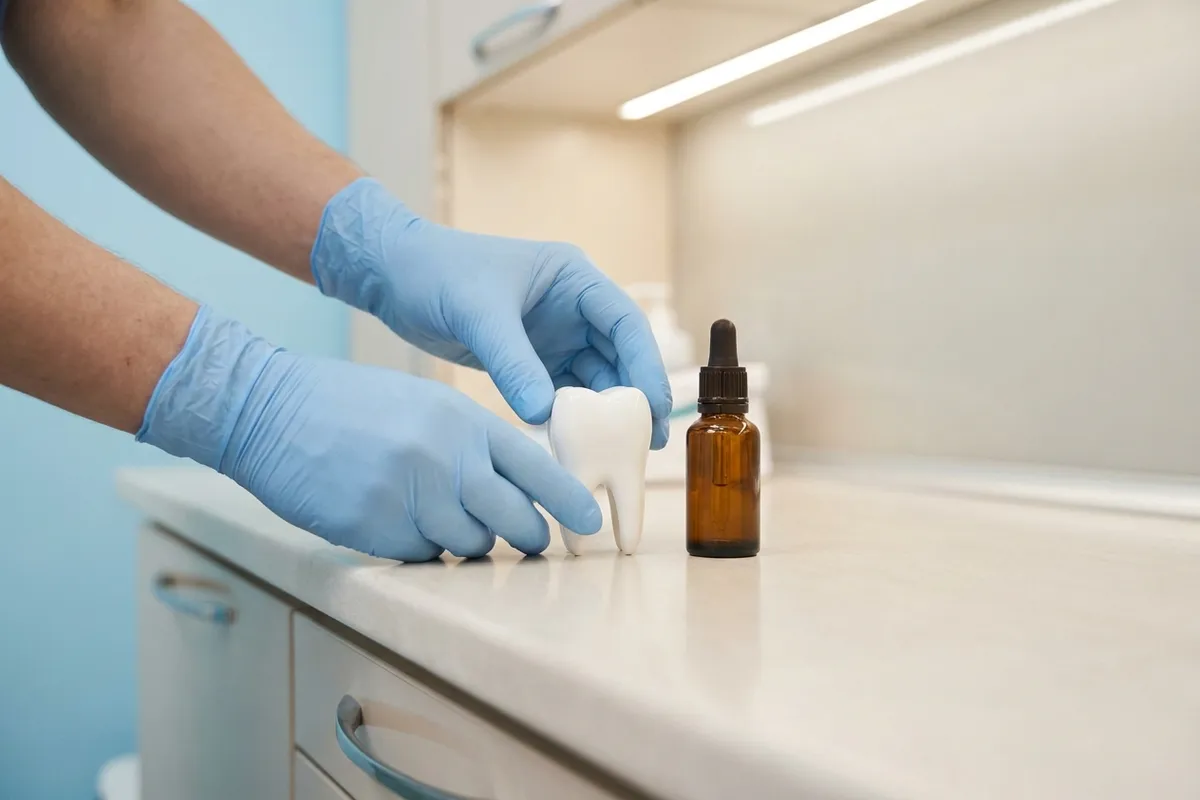
Assessment for fluoride treatment
The dental team reviews recent decay, oral hygiene, diet, medications, and sources of fluoride such as toothpaste and drinking water. The dental team also examine vulnerable tooth surfaces. This helps the treating team decide whether an office treatment, an adjusted home routine, or a prescription product is appropriate without adding unnecessary steps.
- The dentist evaluates early enamel changes, existing cavities, saliva-related risk, and your home care before choosing a formulation or schedule.
- Professional products may be applied as varnish or another suitable formulation; preparation and aftercare vary with the selected product.
- Discuss any recommendation for additional home fluoride separately; stronger products should follow instructions appropriate to your risk and age.
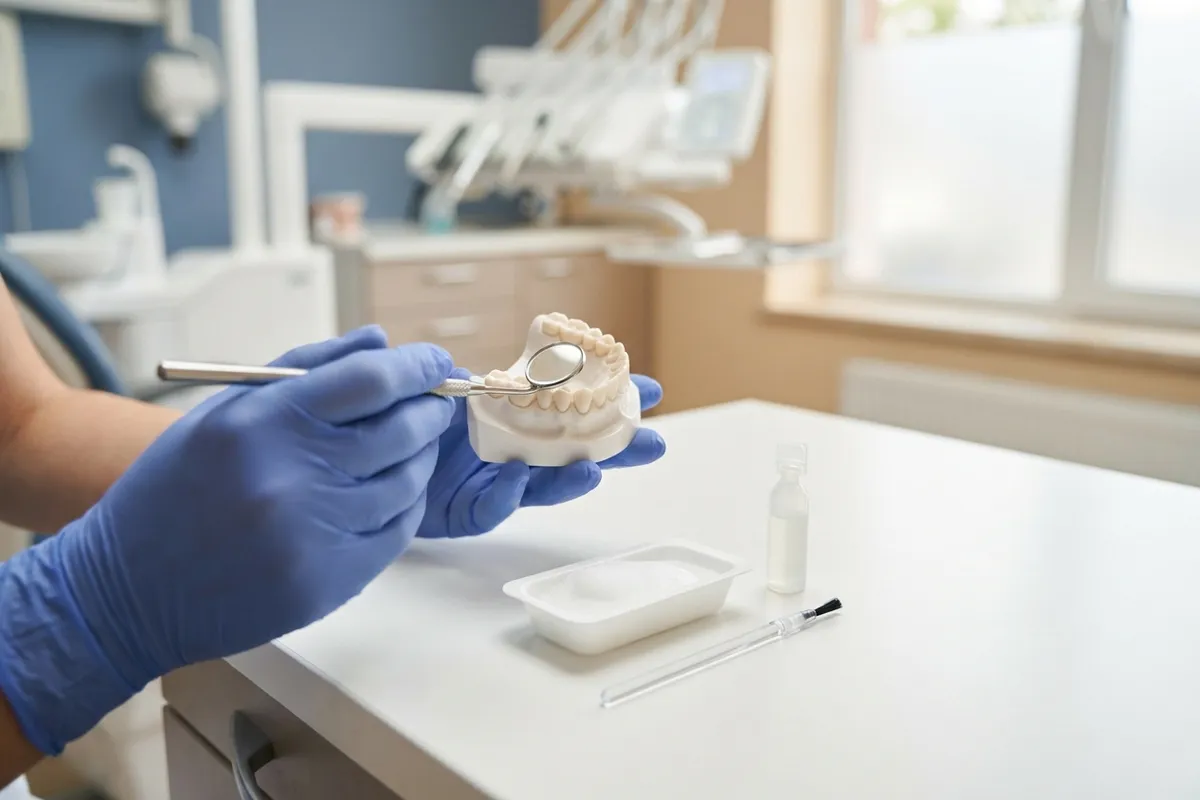
Treatment Options and What to Expect
Professional products may be applied as a varnish or another topical preparation. Application is generally brief, and the choice depends on your needs. Some patients also benefit from dentist-directed home products. The dental team explains how to use them and avoid adding multiple fluoride products without considering total exposure.
Professional varnish or another suitable topical product may be considered, and some patients may need a prescribed home-care product. Selection and frequency follow risk assessment and the product instructions. Ask what benefit the additional application is expected to provide and how it fits your daily toothpaste use. Fluoride protection cannot substitute for a restoration when a cavity already requires repair.
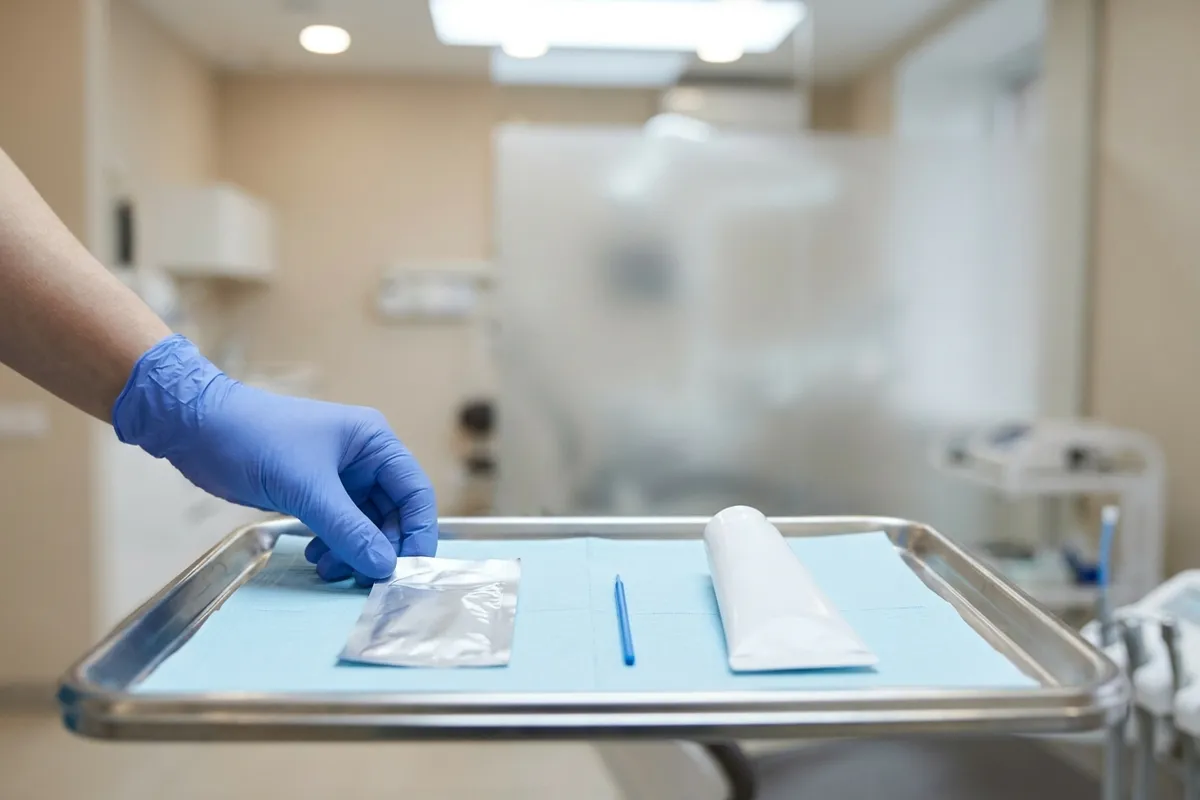
After Your Fluoride Treatment
Follow the instructions for the product applied, since eating, drinking, and brushing guidance can differ. Continue your everyday prevention routine and keep recommended examinations. Fluoride reduces risk but does not guarantee that cavities will not develop. New sensitivity, visible damage, or pain still needs a dental assessment.
Instructions after an application depend on the product used, so confirm when eating, drinking, and brushing can resume. Continue the home fluoride routine that was agreed rather than adding extra products yourself. Later reviews assess whether decay risk or exposed surfaces have changed. Report irritation or difficulty following the instructions so the plan can be adjusted without losing useful protection.
- Follow the specific instructions about eating, drinking, brushing, and rinsing after application rather than assuming all fluoride products require the same wait.
- Continue fluoride toothpaste, interdental cleaning, and sensible snack habits; an office application complements daily prevention rather than replacing it.
- Review whether further applications are needed when cavity risk is reassessed, especially after changes in medicines, saliva, or oral hygiene.
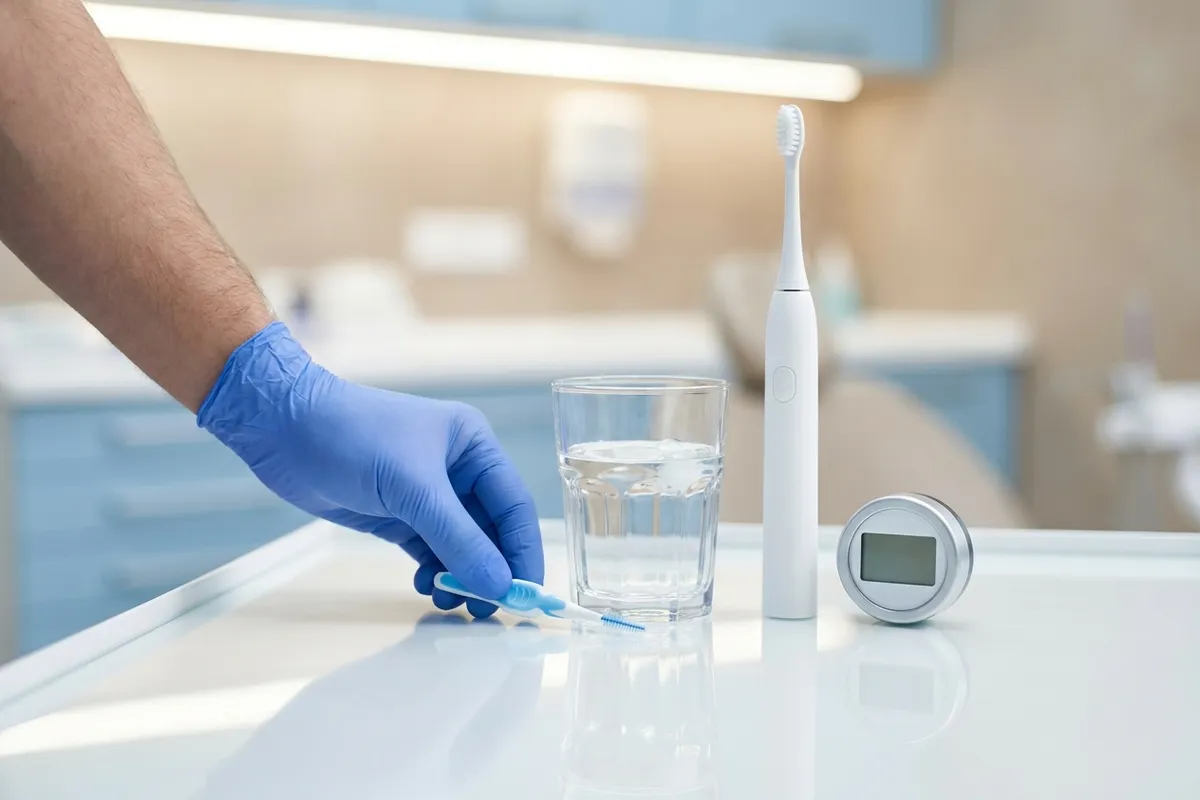
Fluoride treatment, step by step
- 1
Review your decay risk
Discuss previous cavities, dry mouth and current fluoride exposure. The assessment determines whether professional fluoride would add useful protection to your daily routine.
- 2
Apply the appropriate fluoride product
When indicated, fluoride is applied in the form suited to your needs. Eating, drinking and brushing instructions depend on the product used.
- 3
Reassess prevention over time
Continue the home-care plan and recommended reviews. The need for another application follows your decay risk rather than a fixed schedule for everyone.
Services
Other treatments we offer


Questions about this treatment
Schedule your visit in Gloucester
Leland Dentistry & Implants opens in January 2027. Use our online form to request a consultation with Dr. Brian Leland.
About us
Why patients choose Leland Dentistry
Dr. Brian Leland teaches other dentists how to place dental implants.
Board-certified expertise
Dr. Leland is a Diplomate of the American Board of Oral Implantology.
Advanced treatments & restorations
From 3D-printed same-day single teeth to full-mouth solutions, our office utilizes the most cutting-edge technology to deliver restored smiles.

Clear communication
Your treatment plan is explained in plain English or in conversational Mandarin Chinese.
Visit us
We're waiting for you in Gloucester
76 Prospect St
Gloucester, MA 01930