
Service
Smile makeover in Gloucester
A smile makeover is not one treatment but a plan: the right combination of whitening, bonding, veneers, crowns or alignment to reach the smile you have in mind.
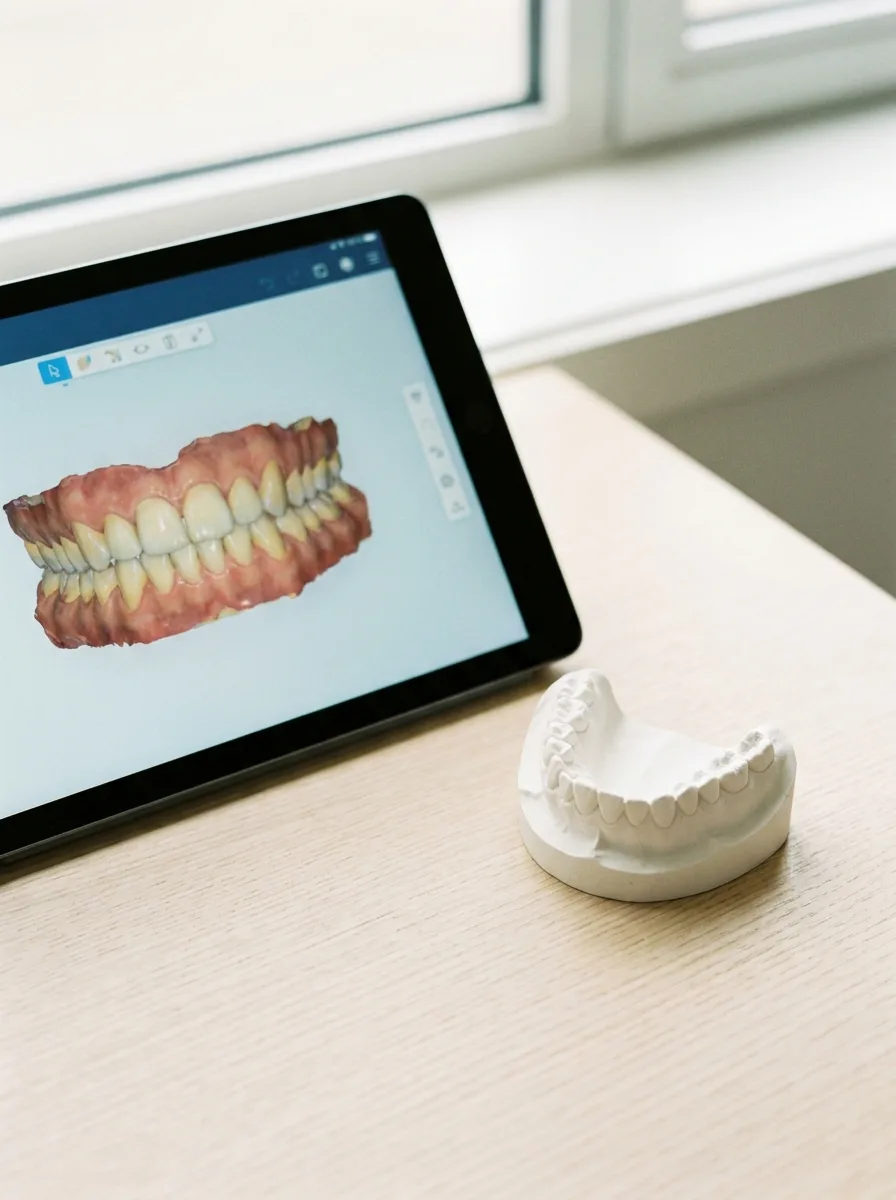
Understanding smile makeover planning
A smile makeover coordinates selected treatments to address several appearance or functional goals. It may include whitening, bonding, veneers, restorations, or alignment. It is not a fixed package and does not mean every tooth needs treatment. Planning begins with your oral health and the specific concerns you would like to address.
A smile makeover is an individualized plan, not a standard set of procedures. It can combine changes to tooth color, shape, restorations, or alignment when those changes suit the findings and your goals. Each proposed step should have a purpose. Ask which parts address health or function, which are elective, and how the sequence protects existing and future dental work.
Why Coordinated Planning Matters
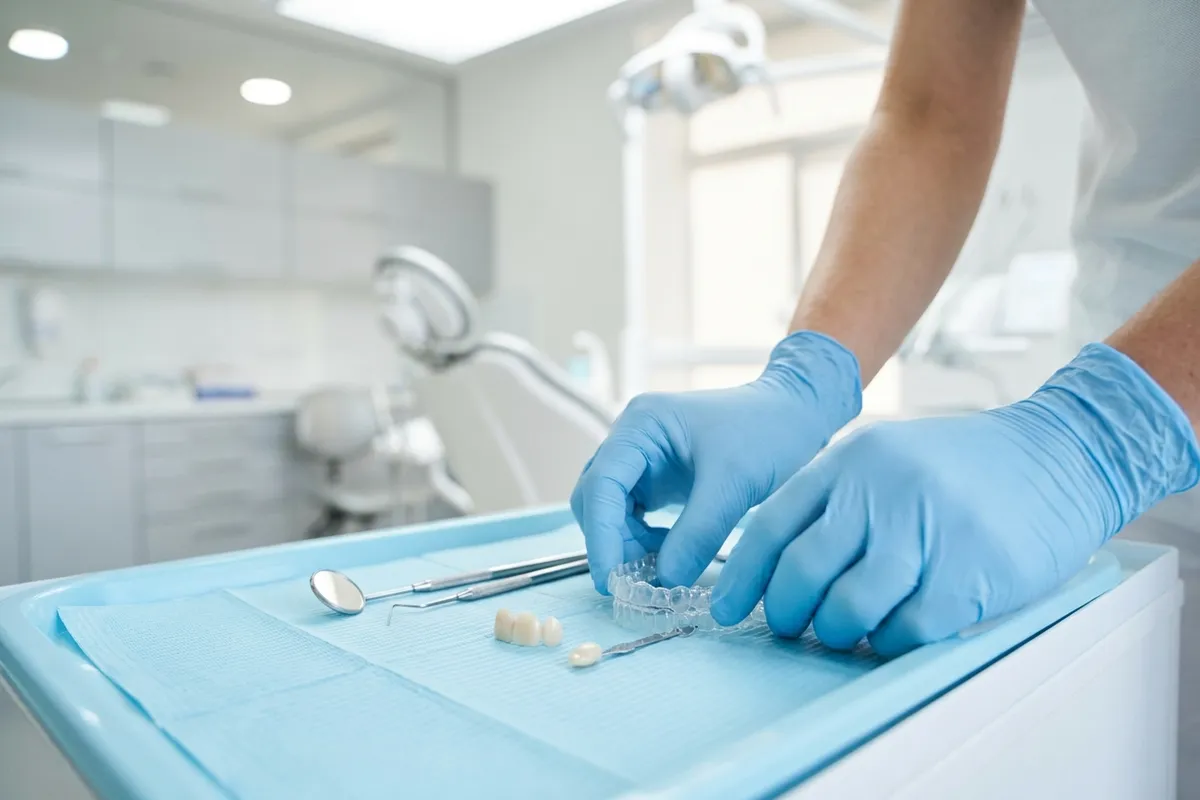
Treatments can influence one another: whitening before choosing a crown can change the appropriate shade, and moving teeth may reduce later preparation. Coordinating stages helps avoid unnecessary work. It also separates health priorities from elective changes and allows a broader plan to be compared with more conservative alternatives.
Several appearance concerns may interact: whitening changes the color reference for a restoration, while a worn edge may reflect a bite problem. Planning should identify those relationships before treating each tooth separately. Explain which changes matter most to you and any functional difficulties. This helps set priorities so the plan does not become larger simply because several options are available.
- A coordinated plan can address several goals such as color, uneven edges, spacing, or missing teeth without assuming every tooth needs alteration.
- Whitening, alignment, and restorative work can influence one another, making treatment order important for shade selection and preparation.
- Conservative options or treating only selected areas may meet your goals with less intervention than a uniform full-smile approach.
Goals to Discuss
Explain what you want to change and what you like about your current smile. Concerns may include color, uneven edges, gaps, missing teeth, or existing restorations. Photographs help describe preferences, but the result depends on your teeth, gums, and bite. Discuss comfort, cleaning access, budget, and expected maintenance as well.
The condition of the teeth, gums, bite, and existing dental work limits which combinations are appropriate. Describe grinding, sensitivity, earlier treatment, and practical constraints on appointments or home care. Active disease may need attention before elective steps. A coordinated plan should also explain what happens to a tooth with an uncertain prognosis rather than building the cosmetic result around that uncertainty.
- Explain the features you like as well as those you want changed so planning preserves aspects of your current smile.
- Discuss active dental disease, grinding, sensitivity, and existing restorations before deciding which appearance changes are appropriate.
- Include comfort, cleaning access, budget, time, and future repairs among your priorities rather than judging a plan only by a preview image.
When to Plan Changes
Decay, gum disease, and structural concerns are assessed first. Alignment, healing, and whitening may need completion before certain restorations. The plan can be staged according to clinical needs and your priorities. An event date should not replace the time needed for treatment, fabrication, or recovery.
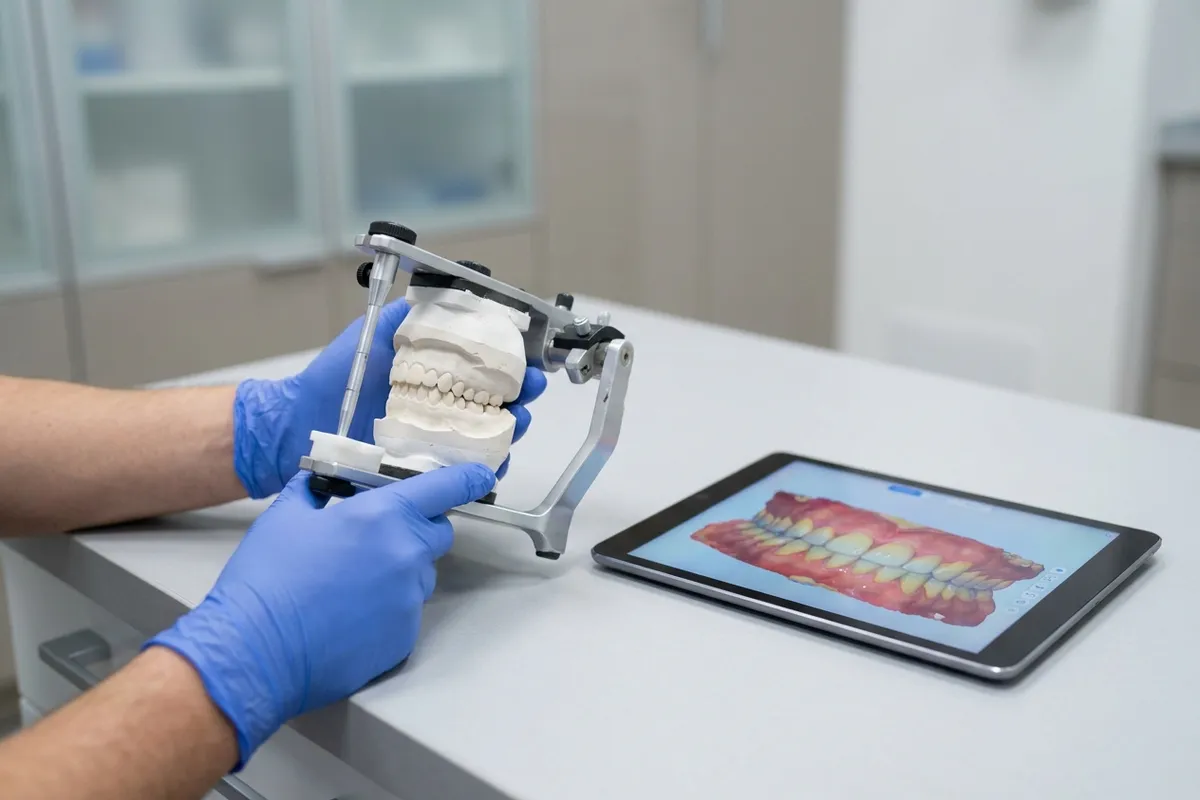
Assessment for smile makeover planning
The dental team assesses teeth, gums, the bite, and existing restorations alongside your appearance and functional goals. Appropriate records support discussion of options and sequencing. The dental team explains what can be previewed and where biological or material limits apply. Planning also identifies whether specialist assessment is needed for any part of treatment.
- The assessment identifies health priorities and evaluates teeth, gums, bite, and records relevant to the proposed combination of care.
- Ask which procedures are essential for function or disease management and which are elective changes you can choose to defer.
- Clarify sequencing, any temporary or trial stage, specialist involvement, and how the plan can be adjusted if goals or circumstances change.
Treatment Options and Tradeoffs
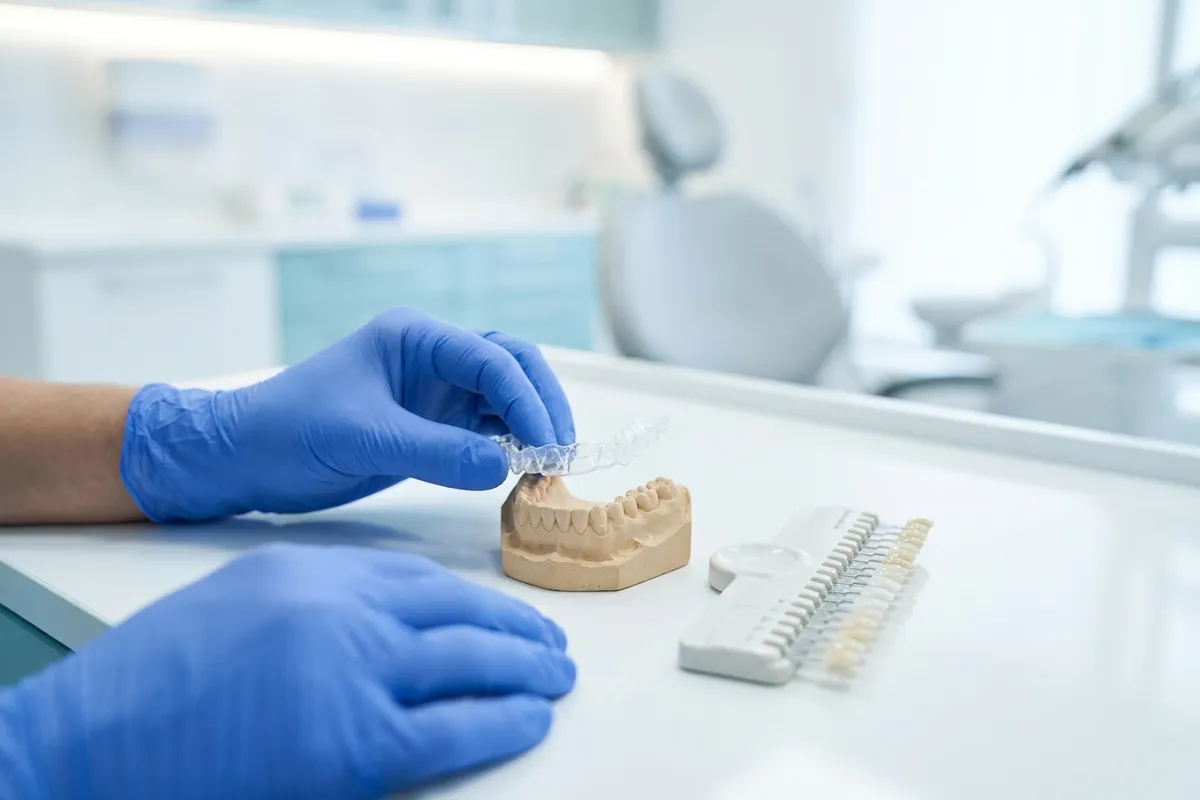
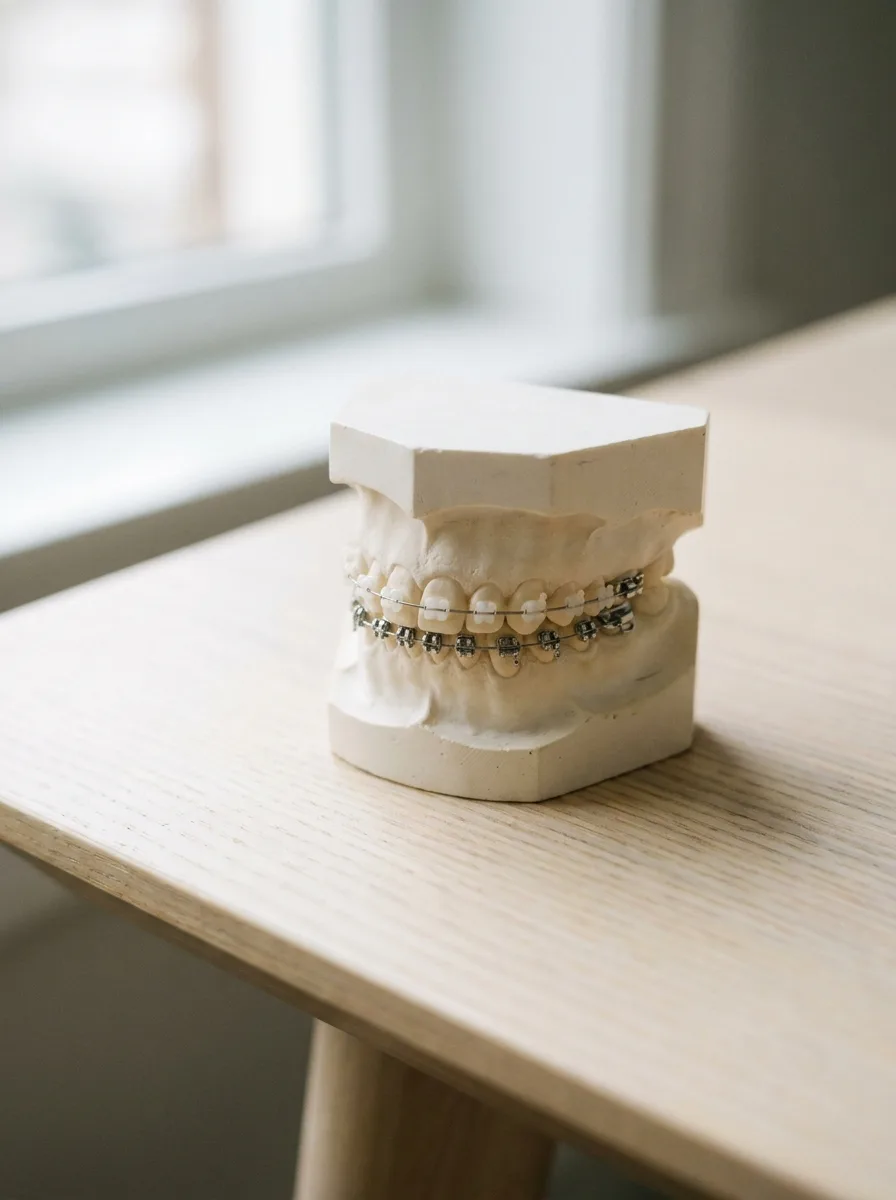
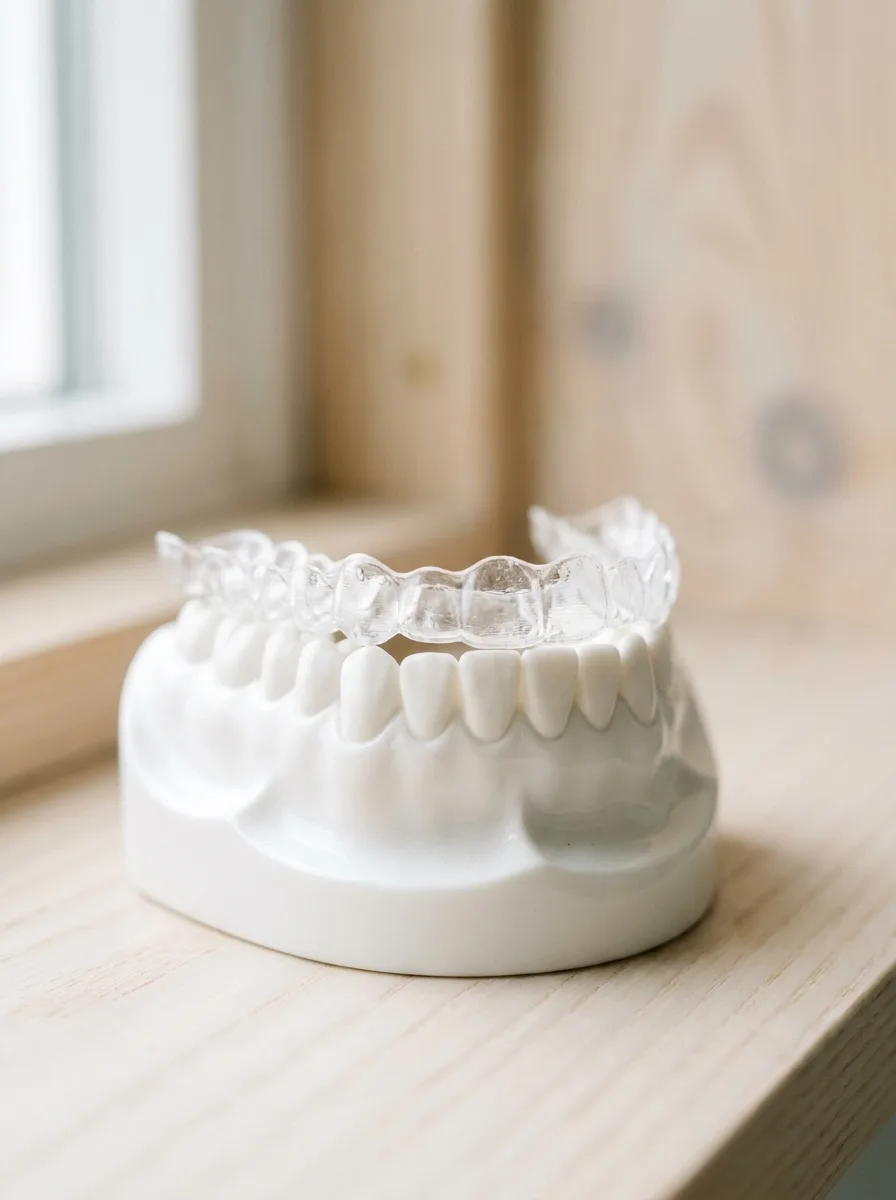
Whitening changes suitable natural tooth color; bonding and veneers change shape; aligners move teeth; restorations repair or replace structures. These choices differ in preparation, reversibility, cost, and maintenance. The dental team compares combinations and conservative alternatives, including doing less when it can meet your goals without unnecessary changes.
The plan may combine conservative changes with restorations when indicated, or use a smaller number of treatments to meet the main goal. Ask why the steps occur in their proposed order, especially when whitening and shade-matched dental work are involved. Compare preparation, repair needs, and staged costs without assuming every procedure must be chosen or completed as a single package.
Caring for Your New Smile
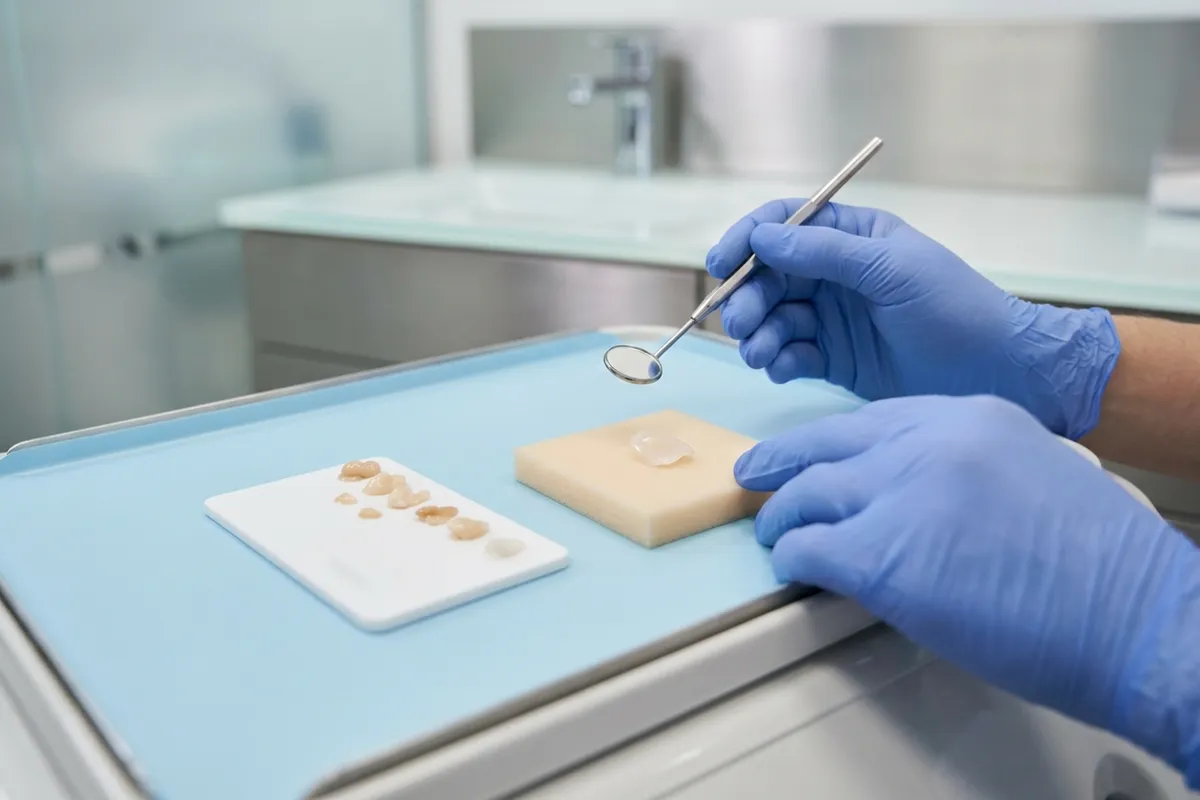
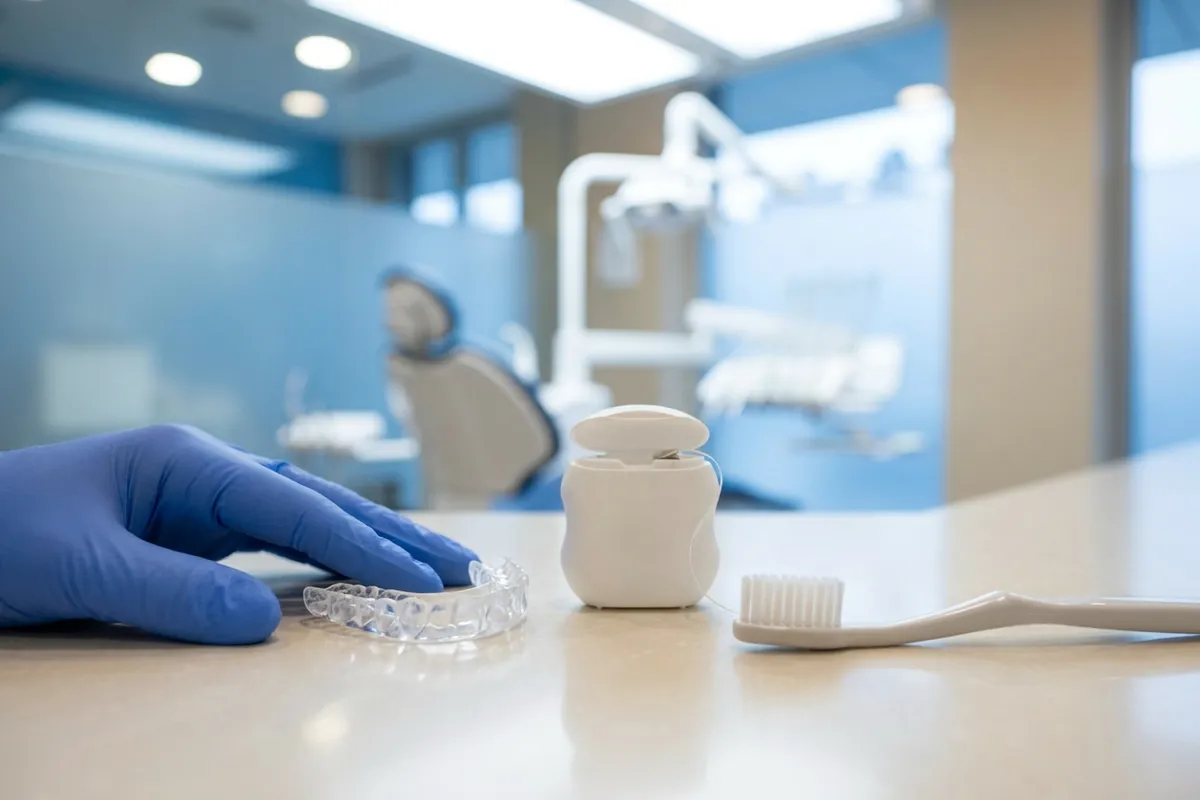
Follow the instructions for each treatment and keep regular examinations and cleanings. Retainers or protective appliances may be recommended in selected cases. Cosmetic work can stain, wear, or need repair. Report persistent sensitivity, a high bite, or a loose restoration without waiting for a routine visit. Maintenance is part of the long-term plan.
Maintenance follows the individual treatments in the plan, so ask for clear instructions for each restoration and any whitening routine. Keep a record of what was done and the review arrangements. A new smile can still develop decay, gum disease, or component wear. Report discomfort or changes in the bite promptly so the overall plan remains functional as well as visually satisfactory.
- Follow each procedure's aftercare and complete staged appointments; the plan may not be finished when the most visible change appears.
- Maintain any prescribed retainer or protective appliance, and continue cleaning around natural teeth and restoration margins.
- Review changes in comfort, appearance, and bite over time, including the possibility of repairs, replacement, or future maintenance of individual treatments.
A smile makeover, step by step
- 1
Set priorities and assess oral health
Discuss the changes that matter most to you. The examination identifies health, structural and bite concerns that affect what a combined treatment plan can achieve.
- 2
Agree on a staged treatment plan
Compare conservative combinations and the maintenance each involves. The sequence allows for needed disease treatment, alignment, whitening, fabrication or healing before the next stage.
- 3
Review each stage and the final result
Check comfort, function and appearance as treatment progresses. Ongoing care follows the procedures selected, with reviews to assess restorations and oral health over time.
Services
Other treatments we offer

Questions about this treatment
Schedule your visit in Gloucester
Leland Dentistry & Implants opens in January 2027. Use our online form to request a consultation with Dr. Brian Leland.
About us
Why patients choose Leland Dentistry
Dr. Brian Leland teaches other dentists how to place dental implants.
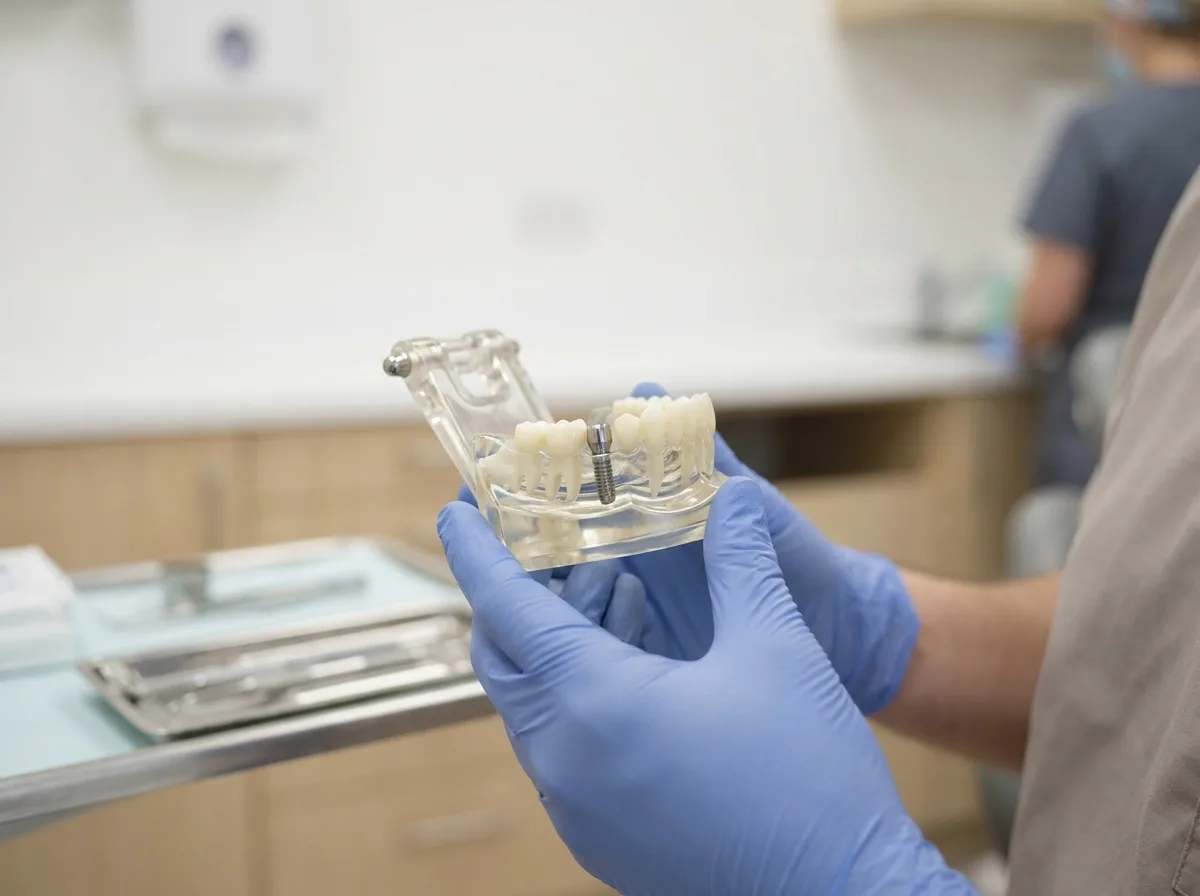
Board-certified expertise
Dr. Leland is a Diplomate of the American Board of Oral Implantology.
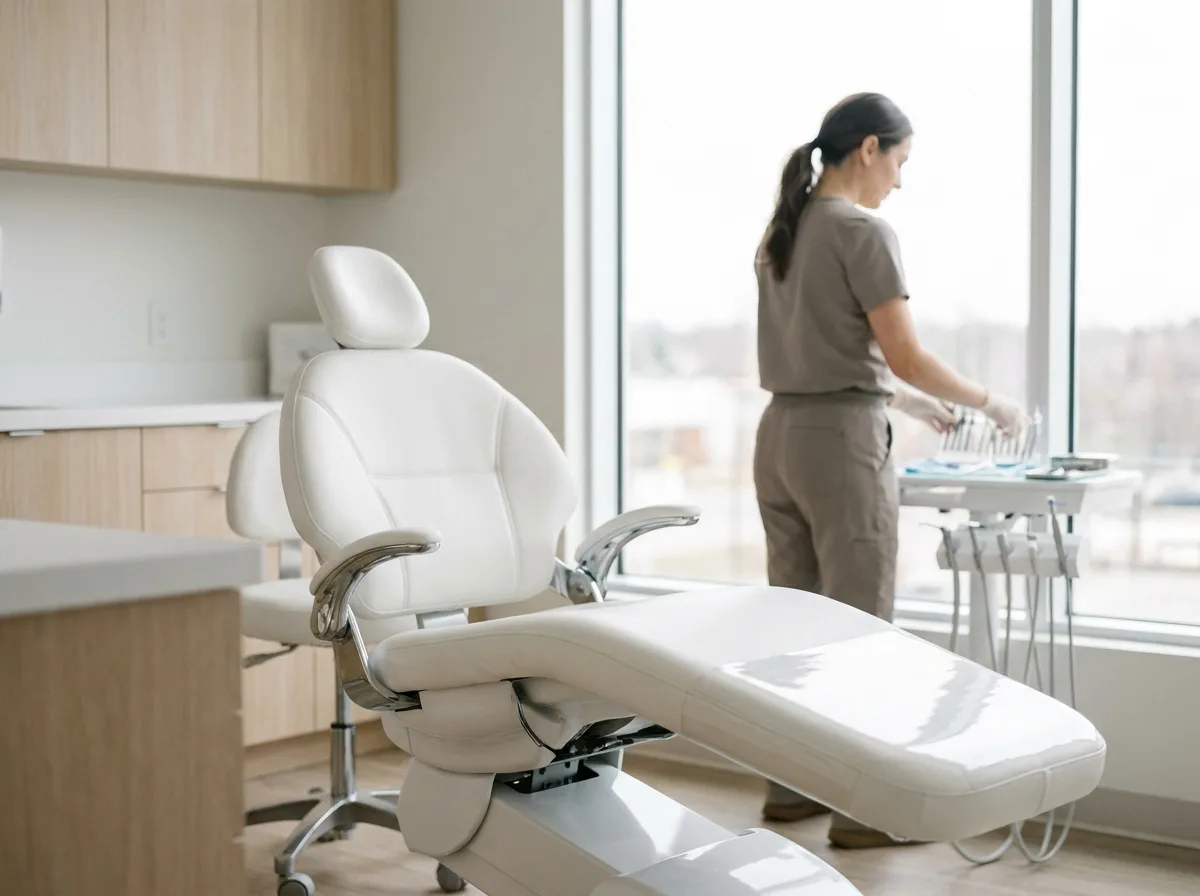
Advanced treatments & restorations
From 3D-printed same-day single teeth to full-mouth solutions, our office utilizes the most cutting-edge technology to deliver restored smiles.

Clear communication
Your treatment plan is explained in plain English or in conversational Mandarin Chinese.
Visit us
We're waiting for you in Gloucester
76 Prospect St
Gloucester, MA 01930