
Service
Professional teeth whitening in Gloucester
Whitening lightens the natural colour of your teeth by lifting the stains that coffee, tea, wine and time leave behind.
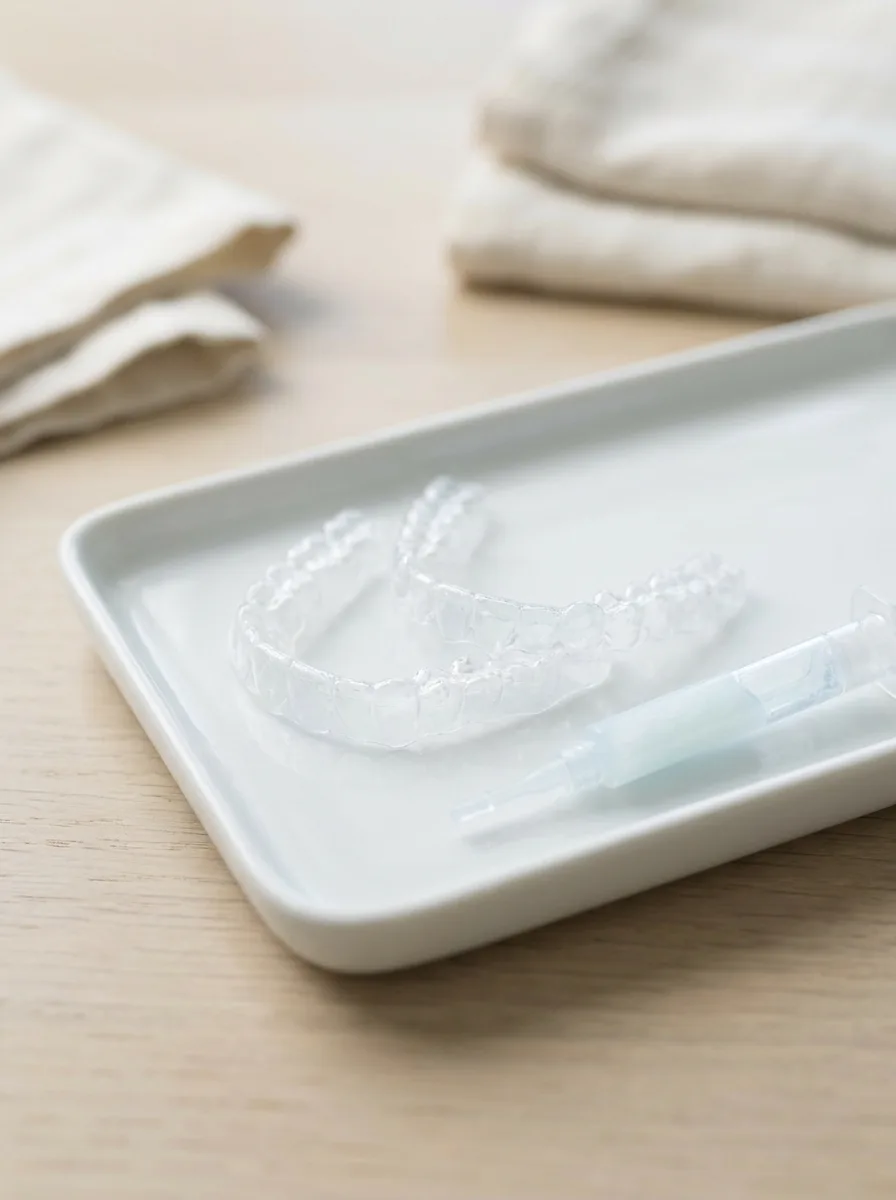
Understanding teeth whitening
Professional whitening uses peroxide-based products to lighten suitable natural teeth. It is different from a cleaning, which removes deposits and some surface stains. The right approach depends on the cause of discoloration, your dental health, and your preferences. An assessment helps you understand likely benefits and limitations.
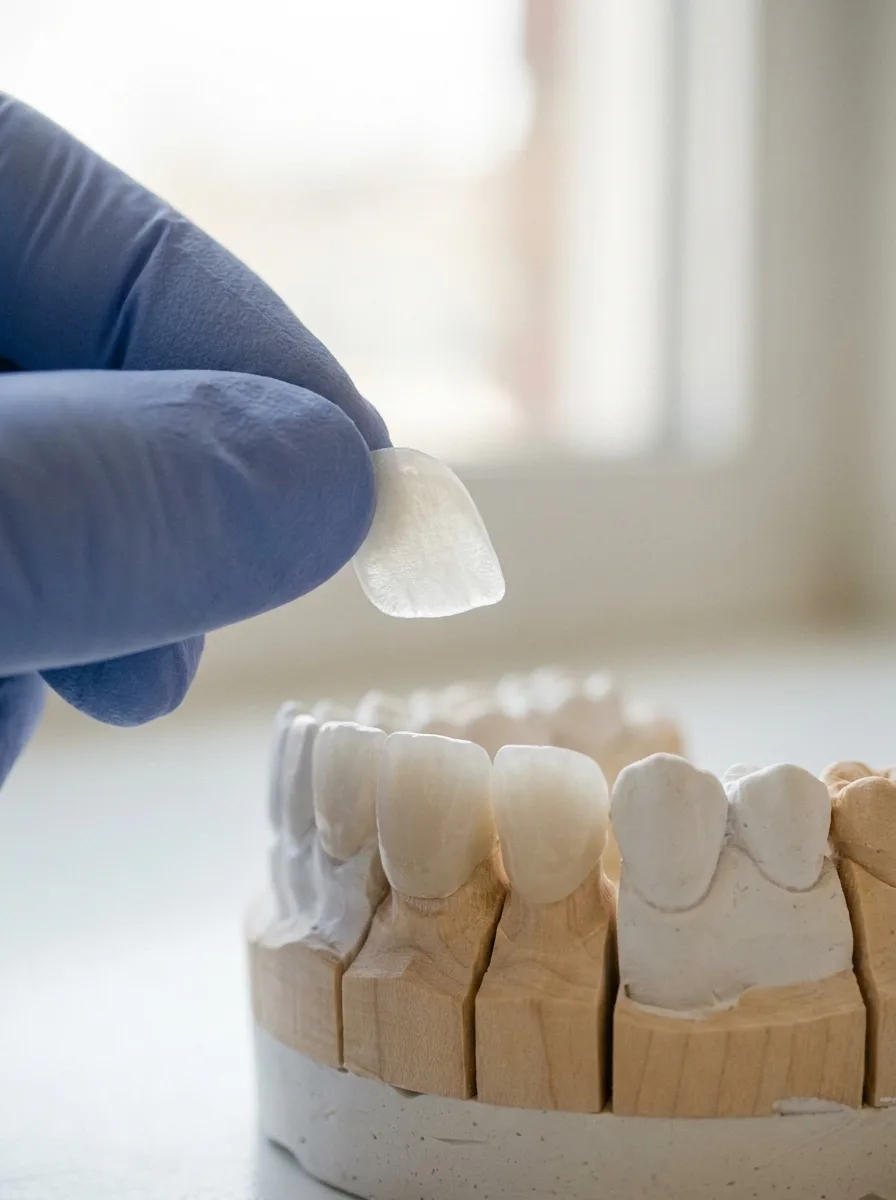
Whitening acts on suitable natural teeth and does not lighten crowns, veneers, or fillings in the same way. That matters when a visible restoration sits beside a tooth whose color changes. Assessing the source and pattern of discoloration helps set expectations before treatment. Ask which teeth are likely to respond and whether existing dental work could create an uneven result.
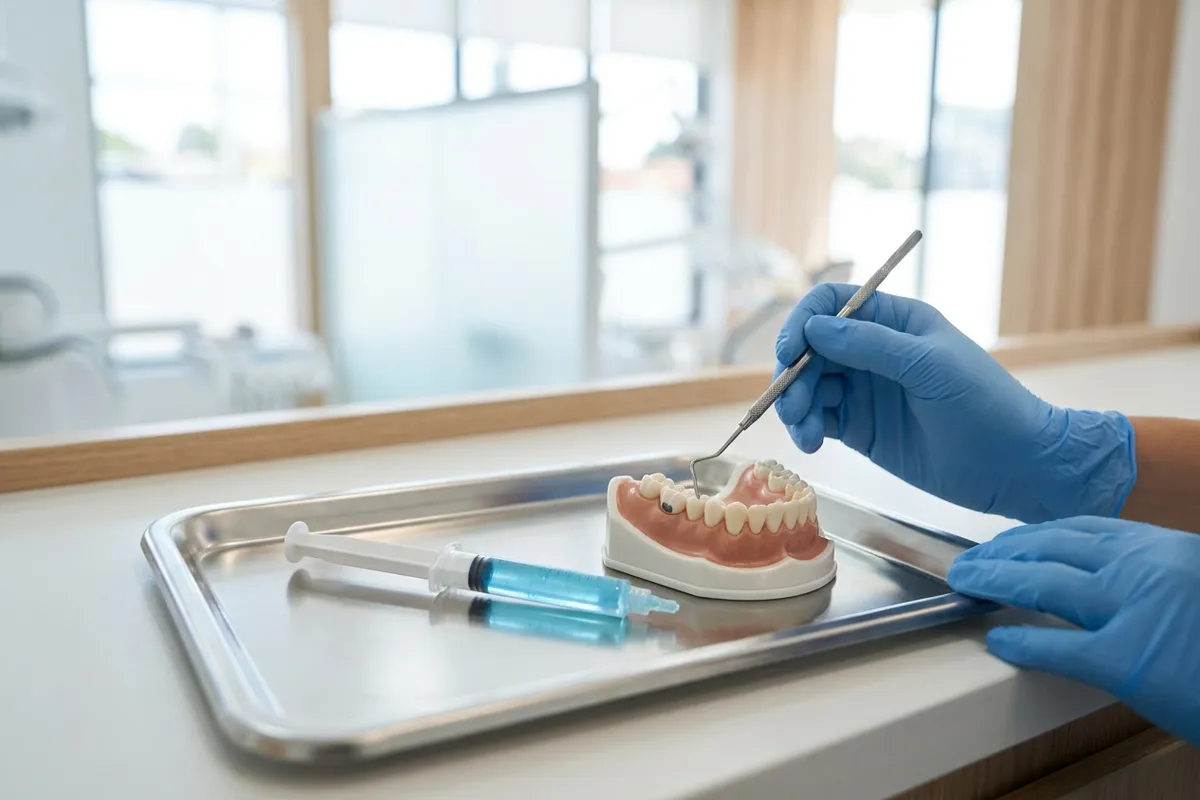
Why Teeth Become Discolored
Foods, drinks, tobacco, aging, medications, and changes inside a tooth can affect color. Not all discoloration responds equally to whitening. A single dark tooth may need a different assessment from generalized staining, and crowns, veneers, and fillings do not lighten like natural enamel.
Surface staining and color changes within a tooth are different problems. A cleaning may improve some external stains, while other discoloration needs a separate diagnosis or treatment. One dark tooth should not automatically be treated like general yellowing across a smile. The dentist can explain why bleaching is appropriate, what it may leave unchanged, and when another approach makes more sense.
- Surface stains from food, drinks, or tobacco may respond differently from color changes caused by injury or internal tooth changes.
- Professional cleaning may improve some surface staining without bleaching, so the cause should be assessed before selecting a whitening product.
- Whitening affects suitable natural teeth; crowns, veneers, and fillings may remain their original shade and create a visible mismatch.
Who May Benefit
Whitening may be suitable when teeth and gums are healthy and the discoloration is likely to respond. Let the treating team know about sensitivity, exposed roots, previous whitening, and visible restorations. Decay and gum problems should be assessed first. The plan may need to account for shade differences between natural teeth and existing dental work.
Discuss sensitivity, exposed roots, gum irritation, and previous bleaching before selecting a product or schedule. Cavities and leaking restorations need assessment first. Tell the team about pregnancy or nursing when considering elective treatment. A visible crown or filling can also affect the desired outcome, since its existing shade may no longer match natural teeth that respond to whitening.
- Mention exposed roots or sensitivity so product choice and treatment frequency can account for discomfort and gum irritation.
- Have a single dark tooth assessed before bleaching; previous trauma or pulp changes may call for a different treatment approach.
- Tell the treating team about pregnancy, nursing, previous whitening, and visible dental work before deciding whether elective treatment should begin now.
When to Start Whitening
Allow time to evaluate your mouth and discuss realistic results before planning around an event. Treatment length varies by method, product, and response. If other cosmetic work is planned, its sequence matters because restorations are shade-matched separately. The dental team advises when to review the result without promising a fixed number of shades.
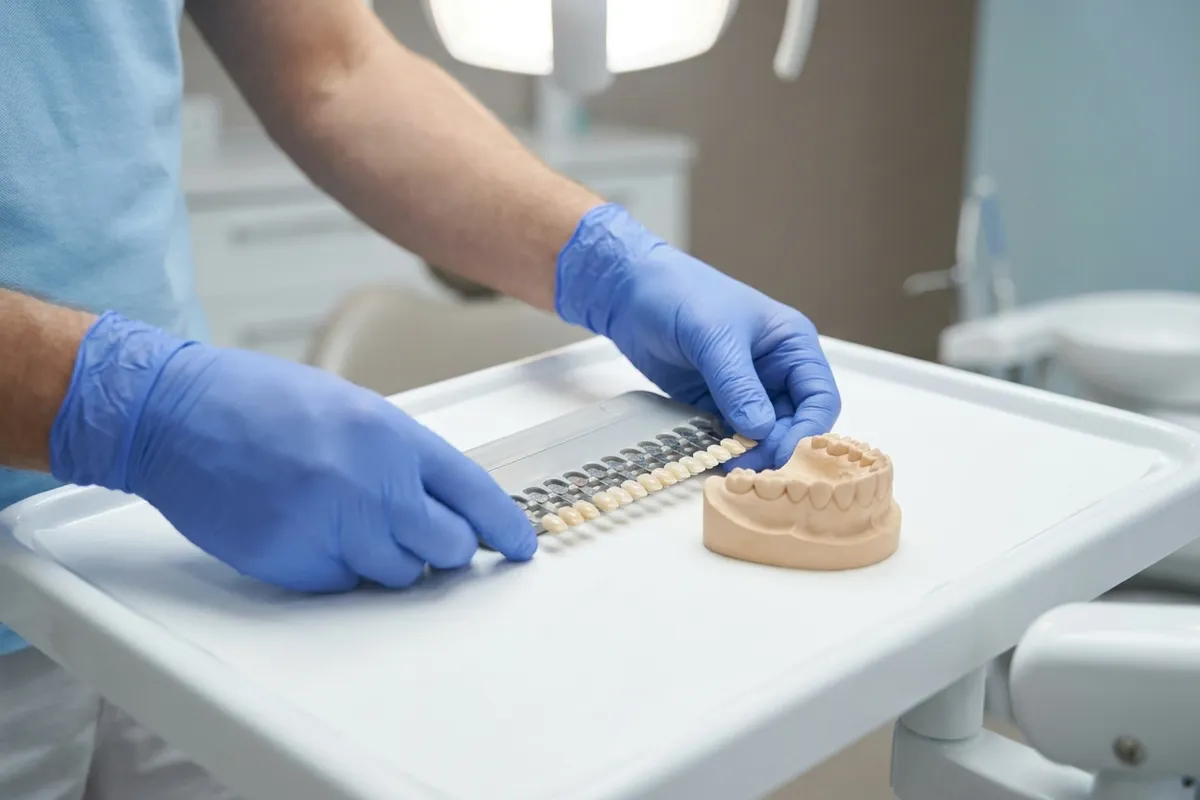
Assessment for teeth whitening
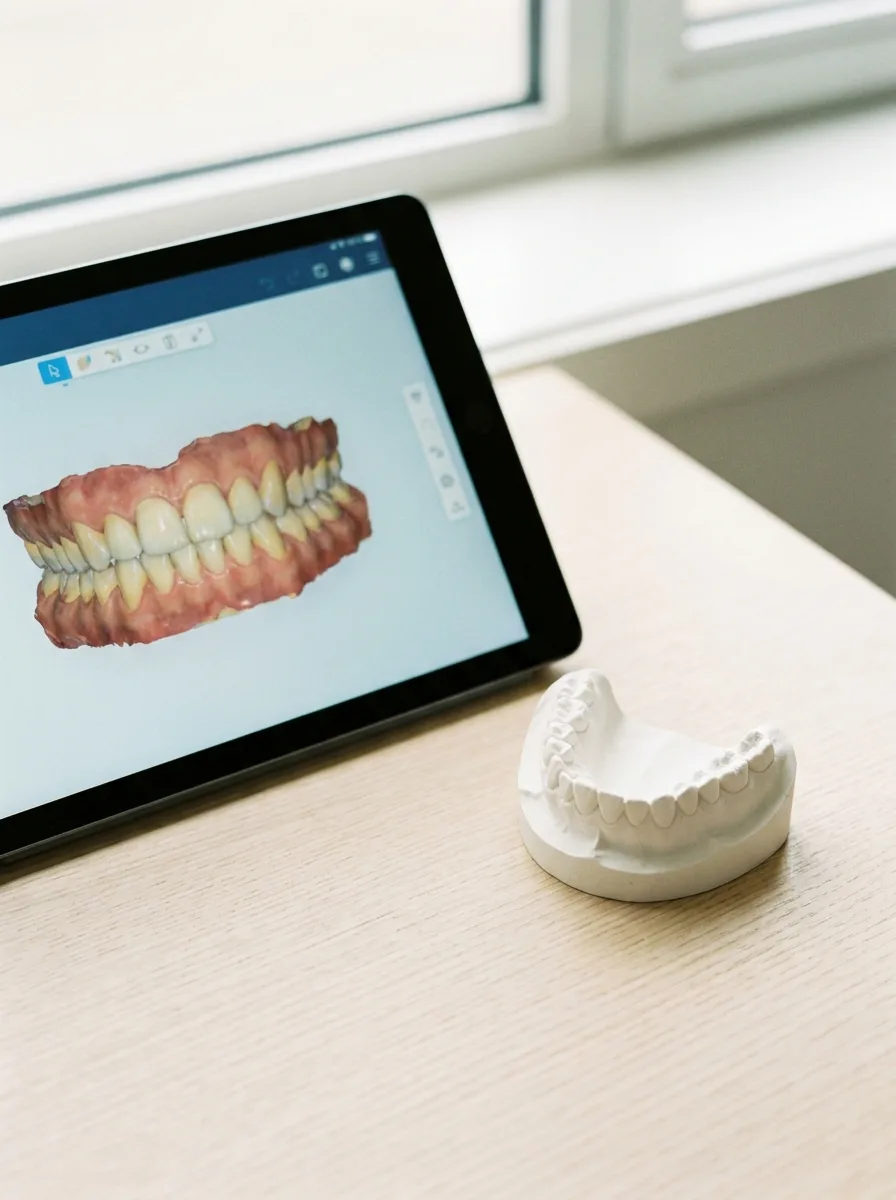
The dental team assesses tooth color, the source of staining, enamel condition, and any existing restorations. Your history of sensitivity helps guide product selection and instructions. A shade record can help compare changes. If whitening is unlikely to meet your goals, the dental team explains alternatives such as bonding, veneers, or internal bleaching for a suitable root-treated tooth.
- The starting shade and pattern of staining help establish what improvement is realistic and whether another option better fits your goal.
- The dentist checks for decay, leaking restorations, exposed dentin, and gum concerns that should be addressed before whitening begins.
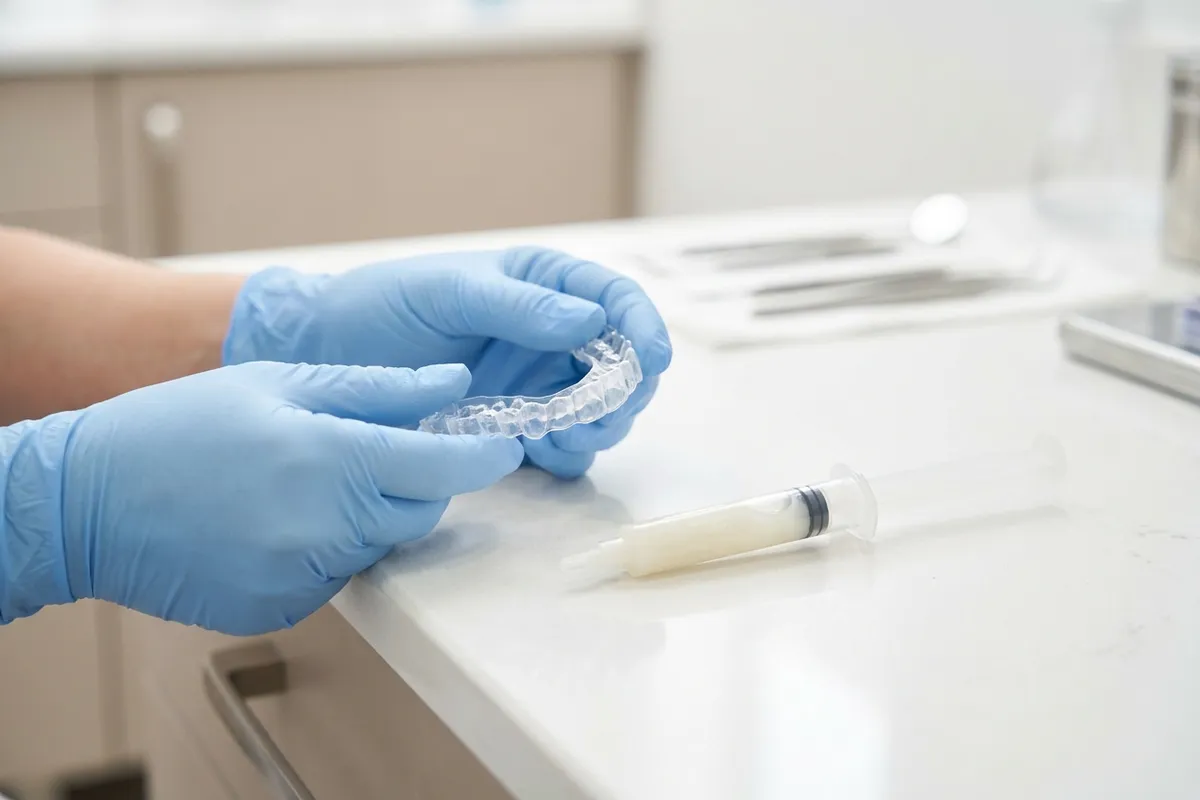
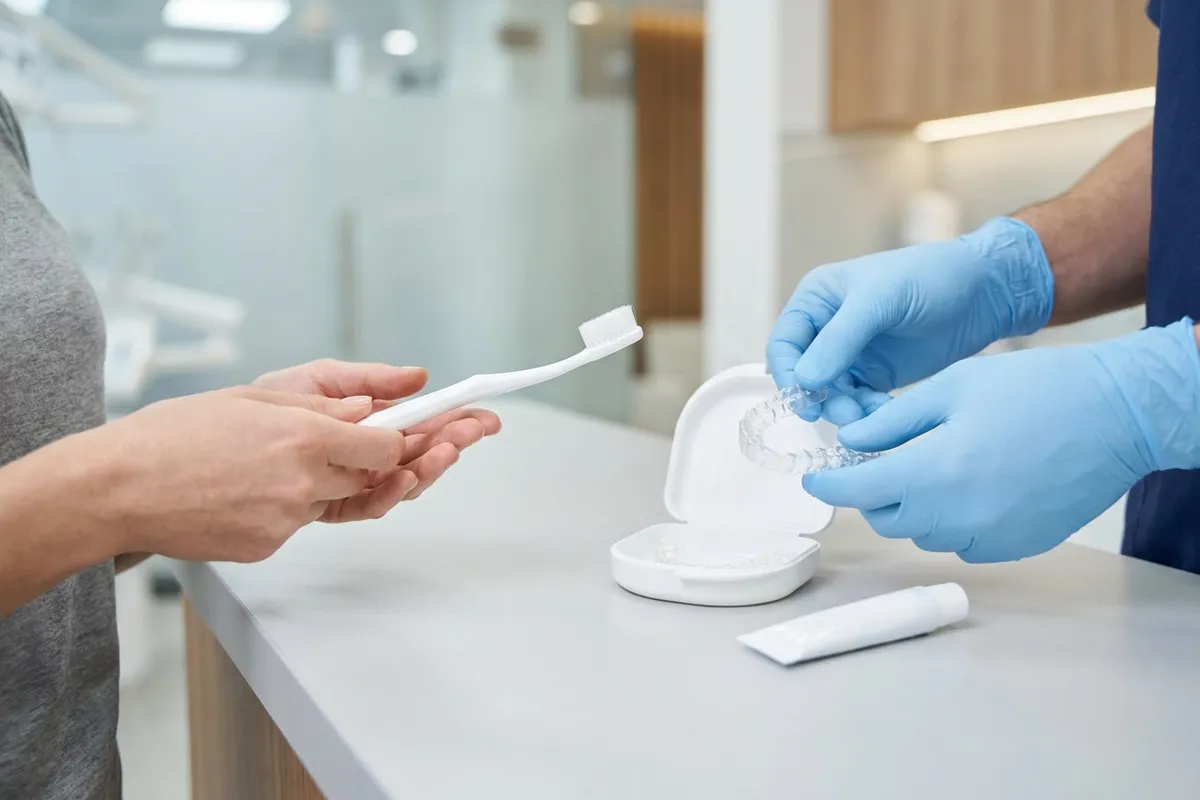
- For take-home treatment, clarify tray fit, product amount, wear duration, and what to do if gel contacts or irritates the gums.
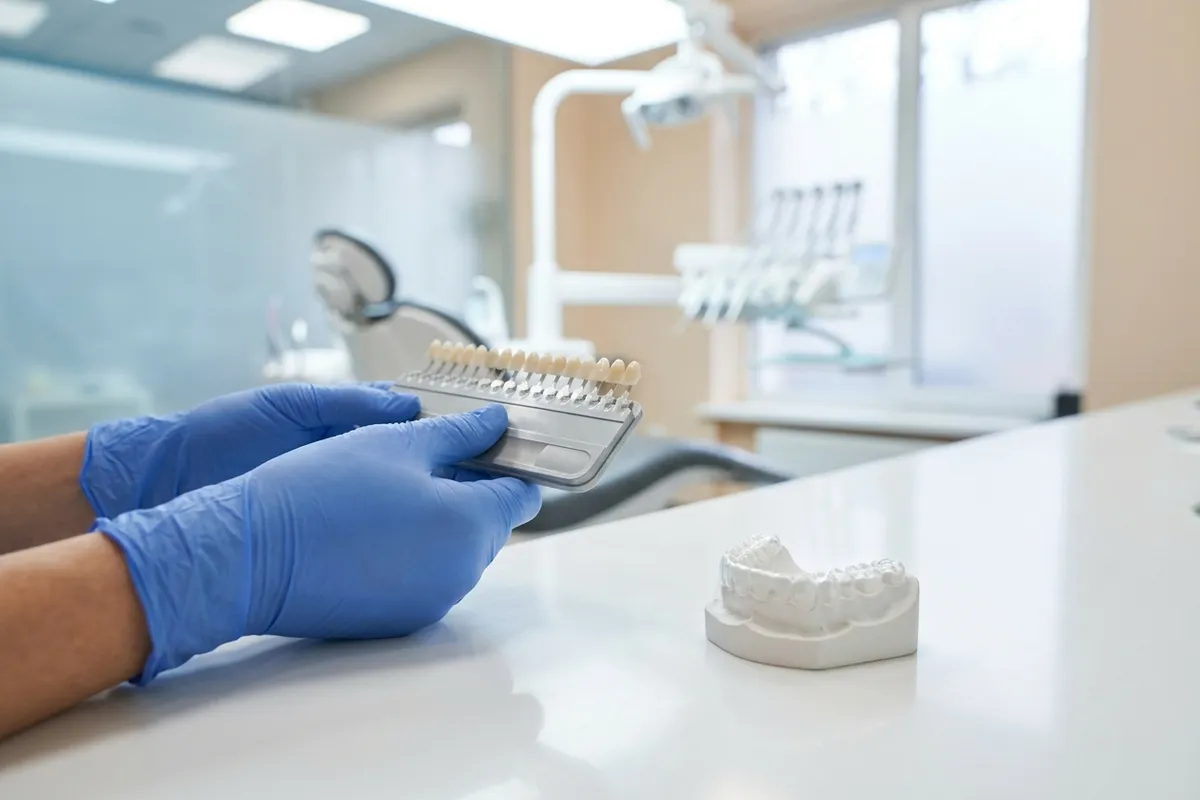
Whitening Options and Process
In-office whitening is applied under professional supervision with protection for surrounding tissues. A supervised take-home approach uses trays and product-specific instructions. Ask which methods are available and suitable for your case. Wear time and applications follow the recommended product and your response; more frequent use is not automatically better.
Dentist-supervised options may use an in-office application or a take-home system with product-specific instructions. Compare the method, expected sensitivity, and the way progress will be reviewed. More gel or longer wear does not necessarily produce a better result. If discoloration will not respond adequately, discuss suitable restorative alternatives rather than repeatedly increasing exposure or combining products without advice.
Aftercare and Maintaining Your Result
Temporary sensitivity and gum irritation can occur. Follow the provided instructions and contact the treating team if discomfort persists. Maintain brushing, interdental cleaning, and appropriate cleaning visits, and discuss touch-ups rather than continually increasing treatment. Results vary with tooth characteristics and habits, and later restorations may need separate shade planning.
Use only the agreed amount and wear time, and report sensitivity or gum irritation that persists. A review can assess the response before further applications or maintenance whitening are considered. Continue ordinary prevention and discuss habits that contribute to staining. If visible restorations need shade coordination, plan that separately; repeating bleaching will not change the color of their material.
- Use only the schedule provided for your product; extending wear or combining products can increase sensitivity without guaranteeing a better result.
- Report persistent pain or gum irritation, and ask whether treatment should pause or be modified before the next application.
- Discuss touch-ups and any later shade-matched restorations after the response has been reviewed rather than continually whitening without reassessment.
Teeth whitening, step by step
- 1
Assess discoloration and suitability
The dentist checks the cause of staining, oral health and existing restorations. Discuss what whitening may change and which teeth or materials will not respond.
- 2
Follow the selected whitening method
Use the supervised approach and product instructions agreed with the dental team. Application and wear time vary by method; extra use can increase sensitivity or irritation.
- 3
Review shade and sensitivity
Discuss the result and any discomfort before further applications. Maintenance or touch-ups depend on the method, your response and any planned shade-matched restorations.
Services
Other treatments we offer
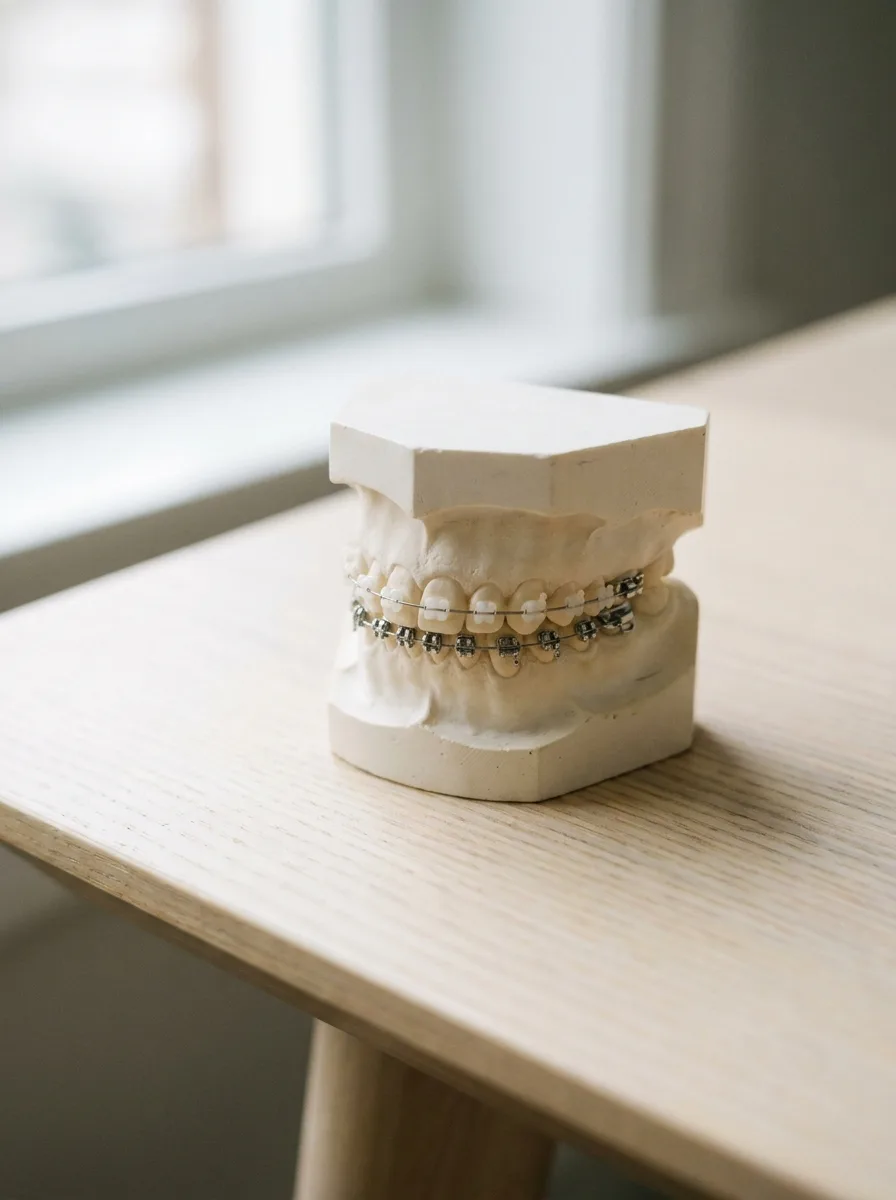
Questions about this treatment
Schedule your visit in Gloucester
Leland Dentistry & Implants opens in January 2027. Use our online form to request a consultation with Dr. Brian Leland.
About us
Why patients choose Leland Dentistry
Dr. Brian Leland teaches other dentists how to place dental implants.
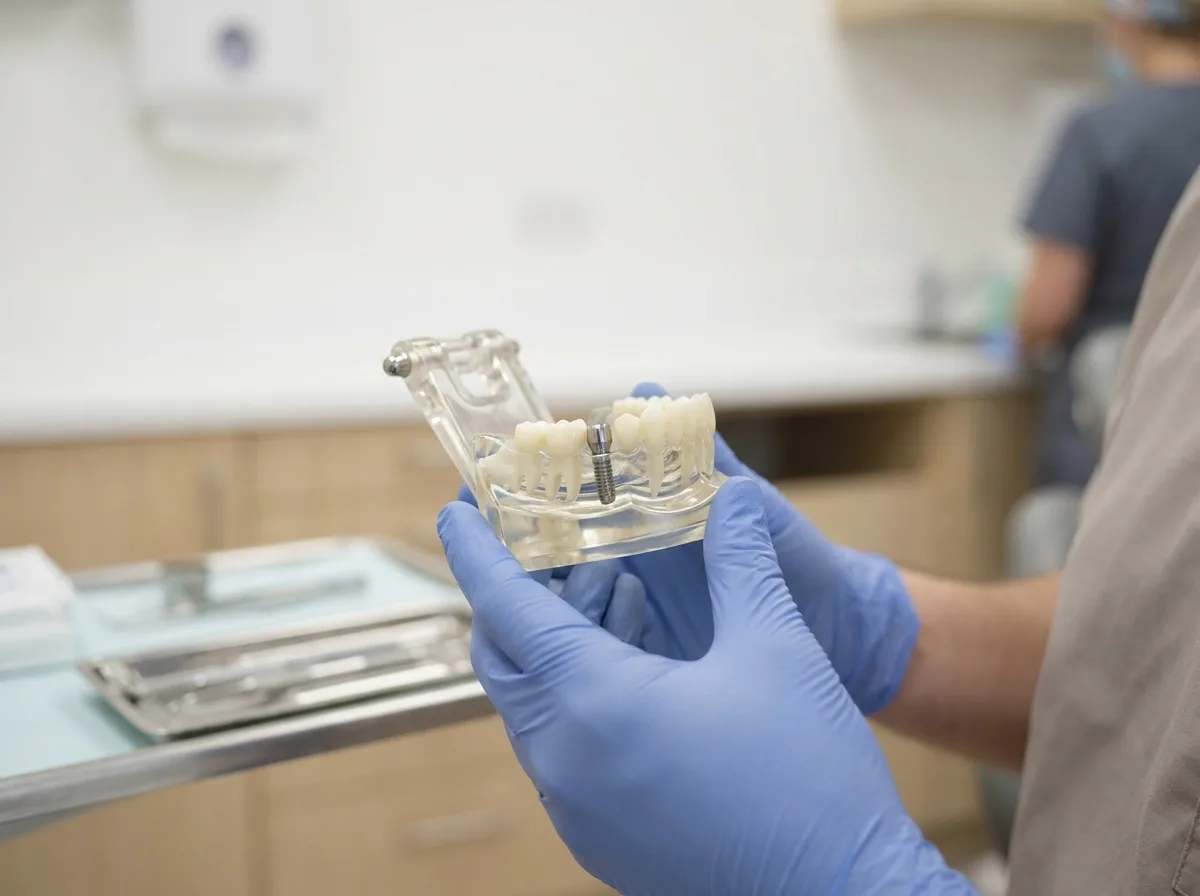
Board-certified expertise
Dr. Leland is a Diplomate of the American Board of Oral Implantology.
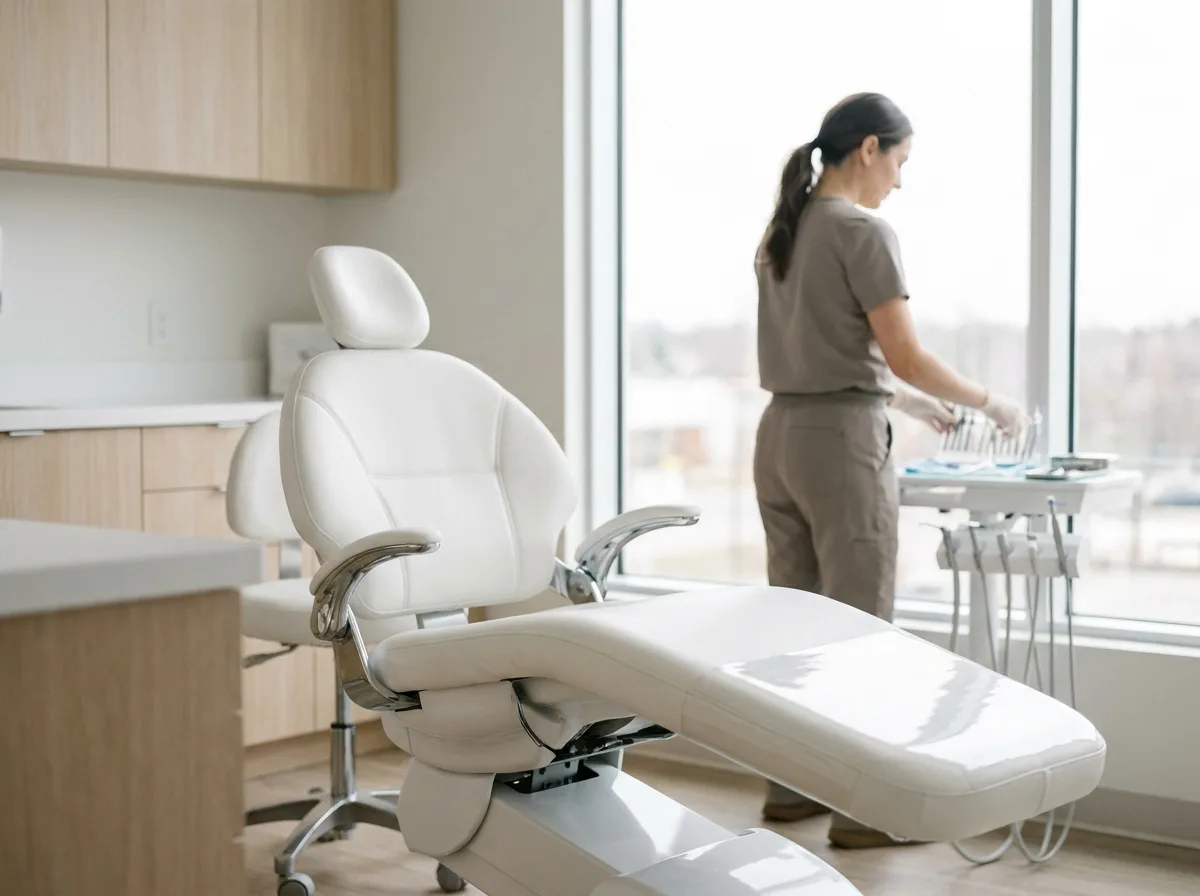
Advanced treatments & restorations
From 3D-printed same-day single teeth to full-mouth solutions, our office utilizes the most cutting-edge technology to deliver restored smiles.

Clear communication
Your treatment plan is explained in plain English or in conversational Mandarin Chinese.
Visit us
We're waiting for you in Gloucester
76 Prospect St
Gloucester, MA 01930