
Service
Night guards in Gloucester
Many people grind or clench their teeth at night without knowing it. A custom night guard cushions the teeth so they stop wearing each other down.
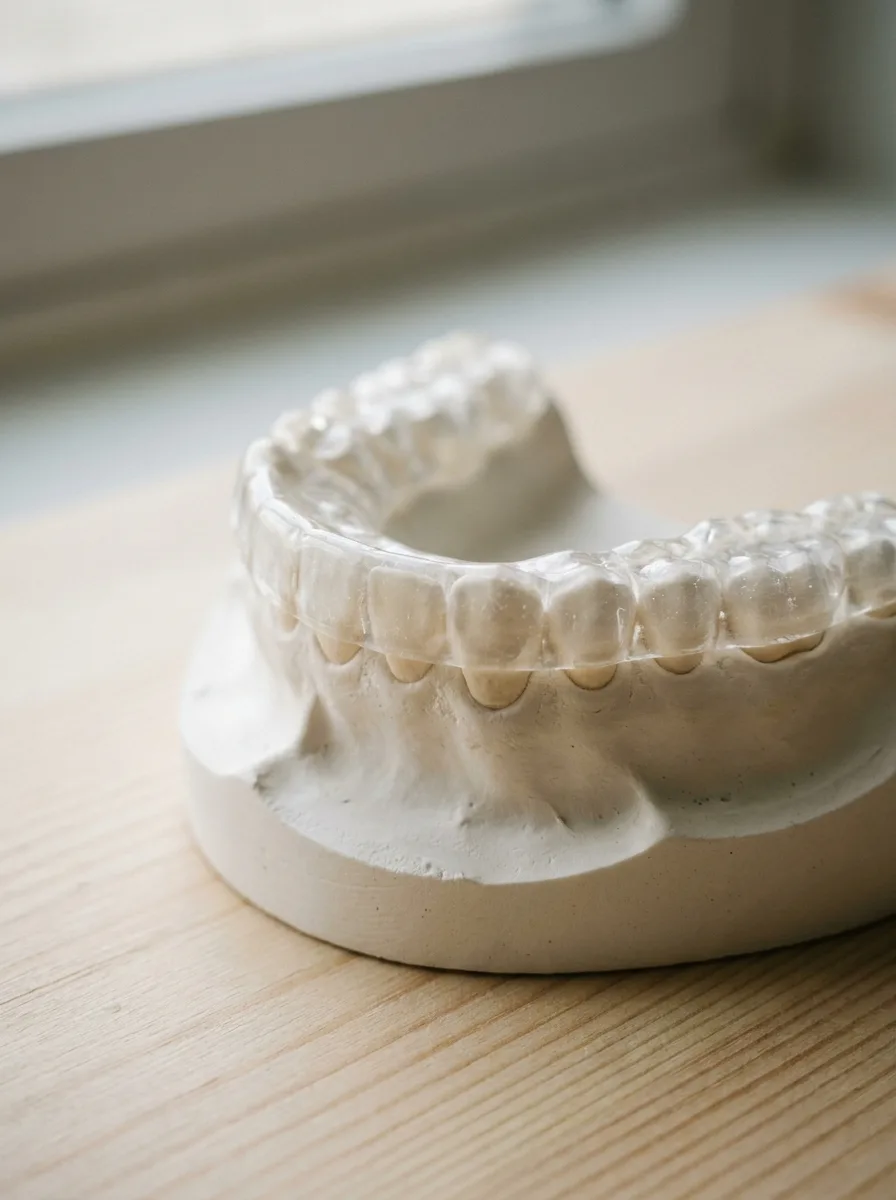
Understanding night guards
A night guard is a removable appliance fitted over selected teeth to help protect them from wear or damage while you sleep. It may form part of conservative care for some jaw concerns. It does not necessarily stop grinding and should not be assumed to cure TMD or every source of jaw pain.
A night guard is an appliance made to fit over teeth and provide a protective contact surface. Its design depends on the teeth, bite, and intended purpose. It is different from a retainer, sports mouthguard, or sleep-apnea device. Knowing which problem the appliance is meant to address helps set realistic expectations about comfort, protection, and any additional care you may need.
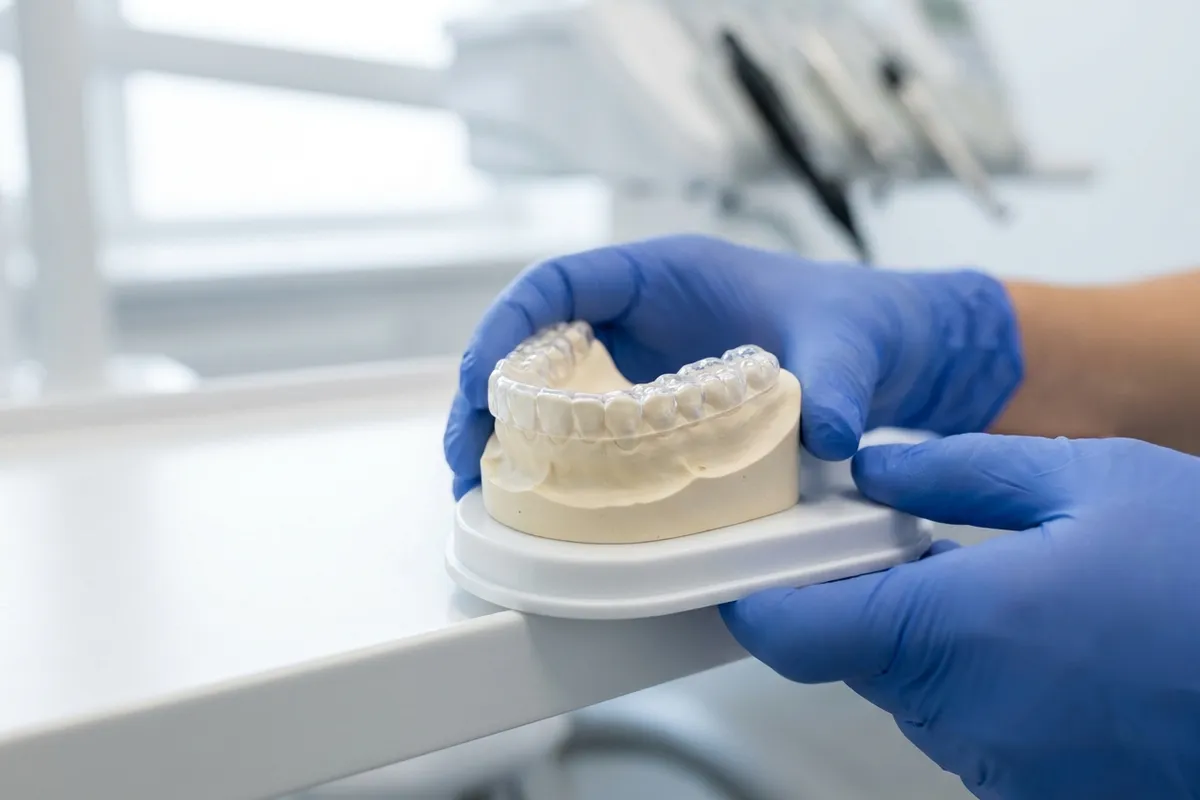
Why a Custom Assessment Matters
Tooth wear, fractured restorations, and jaw symptoms require an assessment of their causes. A splint can protect surfaces while worn, but tooth protection and pain management are different goals. The appliance design and review plan should match the reason it is prescribed rather than permanently reposition the bite.
Clenching and grinding can place stress on teeth and restorations, but wear can also have other causes. Protecting the teeth does not establish why symptoms occur or guarantee that grinding will stop. Jaw pain, headaches, and sleep concerns may need their own assessment. An appliance is one part of an appropriate plan rather than a universal treatment for every facial symptom.
- Repeated clenching or grinding may contribute to worn surfaces, chipped teeth, or damage to restorations that needs protective planning.
- A properly selected guard provides a protective surface, but it does not guarantee that the underlying grinding habit will stop.
- Jaw discomfort may have several causes, so tooth protection and evaluation of persistent facial pain are separate parts of care.
Signs to Discuss
Tell the treating team about morning jaw soreness, worn teeth, broken restorations, locking, and any previous appliance that changed your symptoms. Mention snoring or other sleep concerns because some need a separate assessment. Jaw pain can occur without tooth wear, and tooth wear alone does not establish a diagnosis of bruxism.
Tell the treating team about loose teeth, gum disease, recent restorations, removable dentures, or ongoing orthodontic treatment. These can affect whether a guard fits safely and how it should be designed. Mention loud snoring, witnessed pauses in breathing, or significant daytime sleepiness so the appropriate medical assessment can be considered. Do not assume a protective dental guard treats a breathing disorder.
- Mention waking with jaw soreness, noticing tooth wear, or being told you grind during sleep, including how long this has occurred.
- Bring a current store-bought or custom appliance so the dentist can assess its fit, wear pattern, and effect on your symptoms.
- Disclose snoring or sleep-related breathing concerns; a standard protective night guard is not a replacement for assessment of sleep apnea.
When a Splint Is Considered
A guard may be considered when examination supports protection of teeth or dental work. Wear instructions depend on its design and purpose. Reviews check fit, comfort, and how the teeth meet. It should not be worn indefinitely without monitoring or used to permanently reposition the bite.
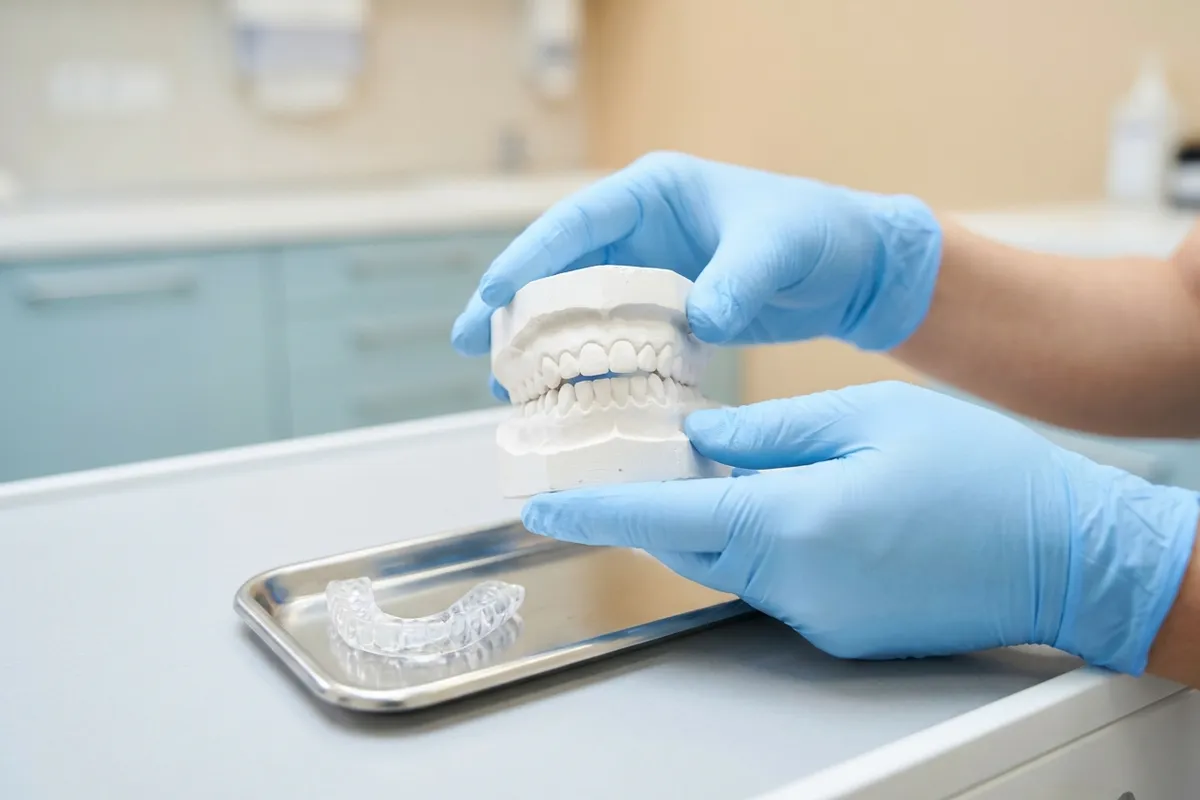
Assessment for night guards
The dental team reviews your history and examines the teeth, bite, jaw movement, and supporting tissues. The pattern of wear and any symptoms help determine whether a guard is appropriate. An impression or scan may record the teeth for fabrication. Persistent pain or sleep-related concerns may need a separate assessment.
- Tooth wear, restorations, gum support, and the bite help guide whether an appliance is suitable and which design to consider.
- Impressions or scans can be used for fabrication, followed by a fitting visit to check seating, retention, and contact between teeth.
- Ask how wear will be monitored and whether ongoing symptoms warrant another dental or medical assessment rather than a thicker guard.
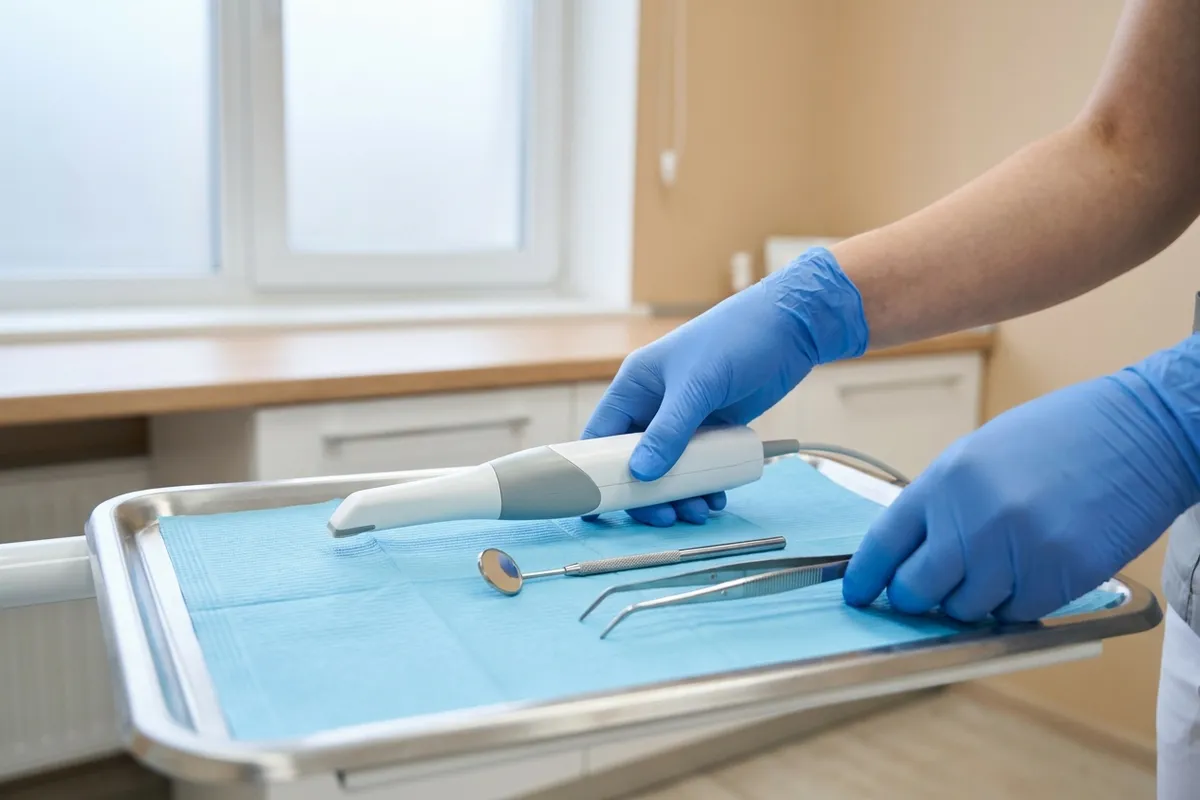
Appliance Options and Fitting
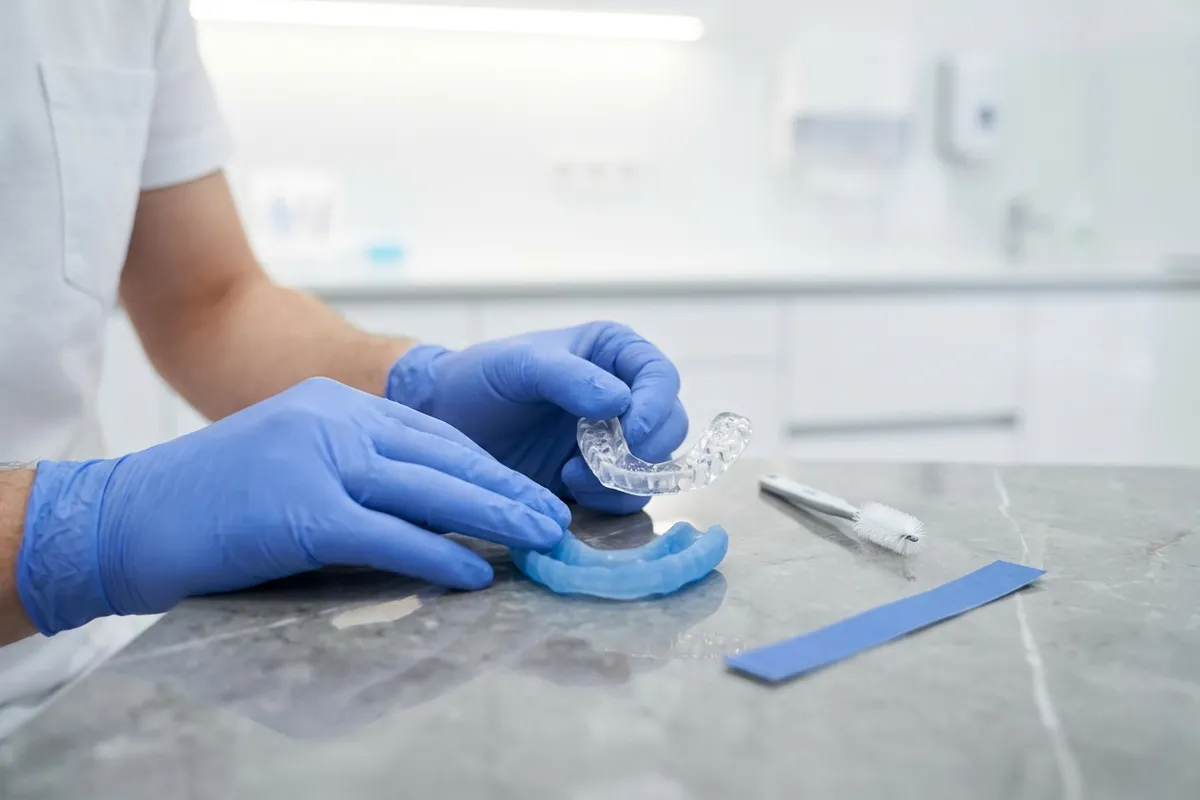
Different splint designs serve different purposes. The dental team explains why a particular design is being considered, checks its fit and contacts, and provides instructions for wearing and cleaning it. Other conservative measures may be discussed alongside the appliance. Avoid altering or adjusting the splint yourself.
Custom and over-the-counter appliances differ in fit, materials, and adjustability. The appropriate choice depends on the purpose and clinical findings, not simply thickness or softness. A guard should not be used to permanently change your bite as a routine treatment for jaw pain. Ask how fit will be checked and what alternatives or further evaluation are appropriate if symptoms continue.
Aftercare and Monitoring
Clean and store the appliance as instructed and bring it to review appointments. Contact the treating team if it becomes loose, damaged, or uncomfortable. If pain increases or your bite changes, stop wear and seek advice. A successful plan requires monitoring and may need adjustment or another approach if symptoms continue.
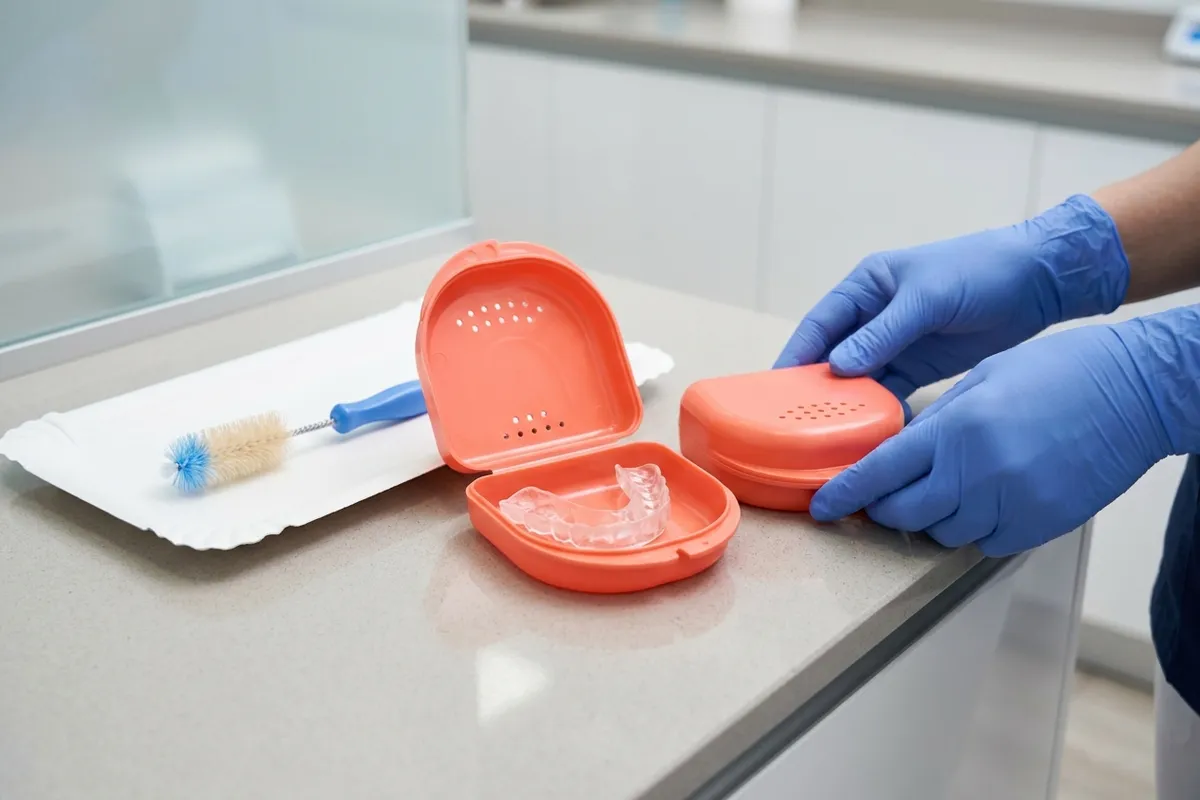
Clean the appliance using the recommended method, allow it to dry as directed, and store it safely away from pets and heat. Bring it to review visits and inspect it for cracks or worn areas. If use increases pain or creates a persistent change in your bite, stop using it and contact the treating clinician rather than trying to reshape it yourself.
- Use the prescribed wear schedule and cleaning method, and avoid heat that could distort the appliance or change its fit.
- Stop use and contact the clinician if the appliance worsens pain or causes a persistent bite change; do not modify it yourself.
- Bring the guard to dental reviews and seek reassessment after a new crown, filling, or noticeable change in tooth position.
A night guard, step by step
- 1
Assess wear and symptoms
Discuss grinding, jaw discomfort and sleep-related concerns. The examination helps determine whether a guard is suitable and whether other assessment is needed.
- 2
Record and fit the appliance
If a custom guard is chosen, records guide its fabrication. At fitting, the dentist checks retention, comfort and how your teeth meet with the guard in place.
- 3
Review comfort and wear
Follow cleaning and storage instructions, and report new pain or bite changes. Reviews check the appliance's fit and wear; a guard does not address every cause of grinding.
Services
Other treatments we offer
Questions about this treatment
Schedule your visit in Gloucester
Leland Dentistry & Implants opens in January 2027. Use our online form to request a consultation with Dr. Brian Leland.
About us
Why patients choose Leland Dentistry
Dr. Brian Leland teaches other dentists how to place dental implants.
Board-certified expertise
Dr. Leland is a Diplomate of the American Board of Oral Implantology.
Advanced treatments & restorations
From 3D-printed same-day single teeth to full-mouth solutions, our office utilizes the most cutting-edge technology to deliver restored smiles.

Clear communication
Your treatment plan is explained in plain English or in conversational Mandarin Chinese.
Visit us
We're waiting for you in Gloucester
76 Prospect St
Gloucester, MA 01930