
Service
Crowns and bridges in Gloucester
A crown covers and protects a tooth that is cracked, worn or heavily filled. A bridge replaces a missing tooth by anchoring to the teeth beside the gap.
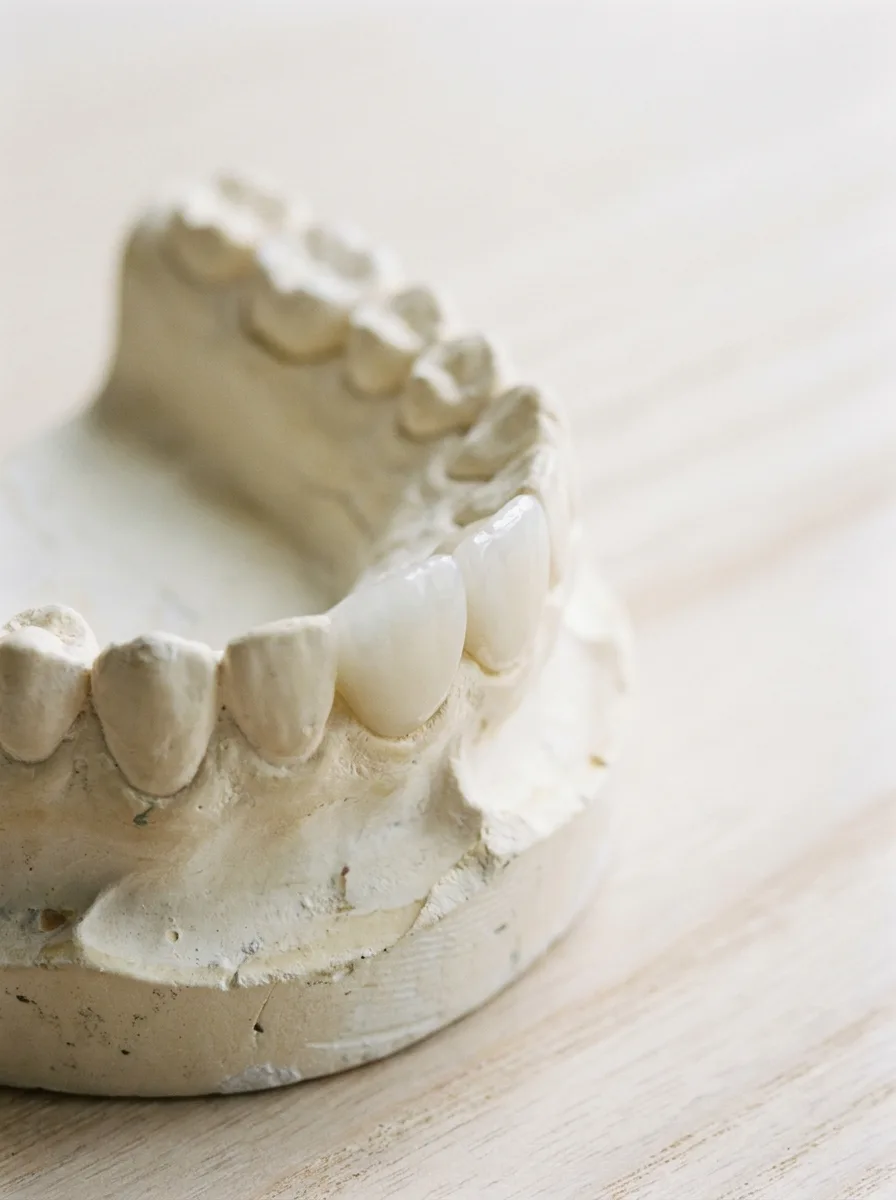
Understanding crowns and bridges
A crown covers and restores a damaged tooth, while a bridge replaces a missing tooth using support from neighboring teeth or implants. These restorations can help with chewing, tooth shape, and appearance. The right design depends on the condition of the supporting teeth and your overall bite.
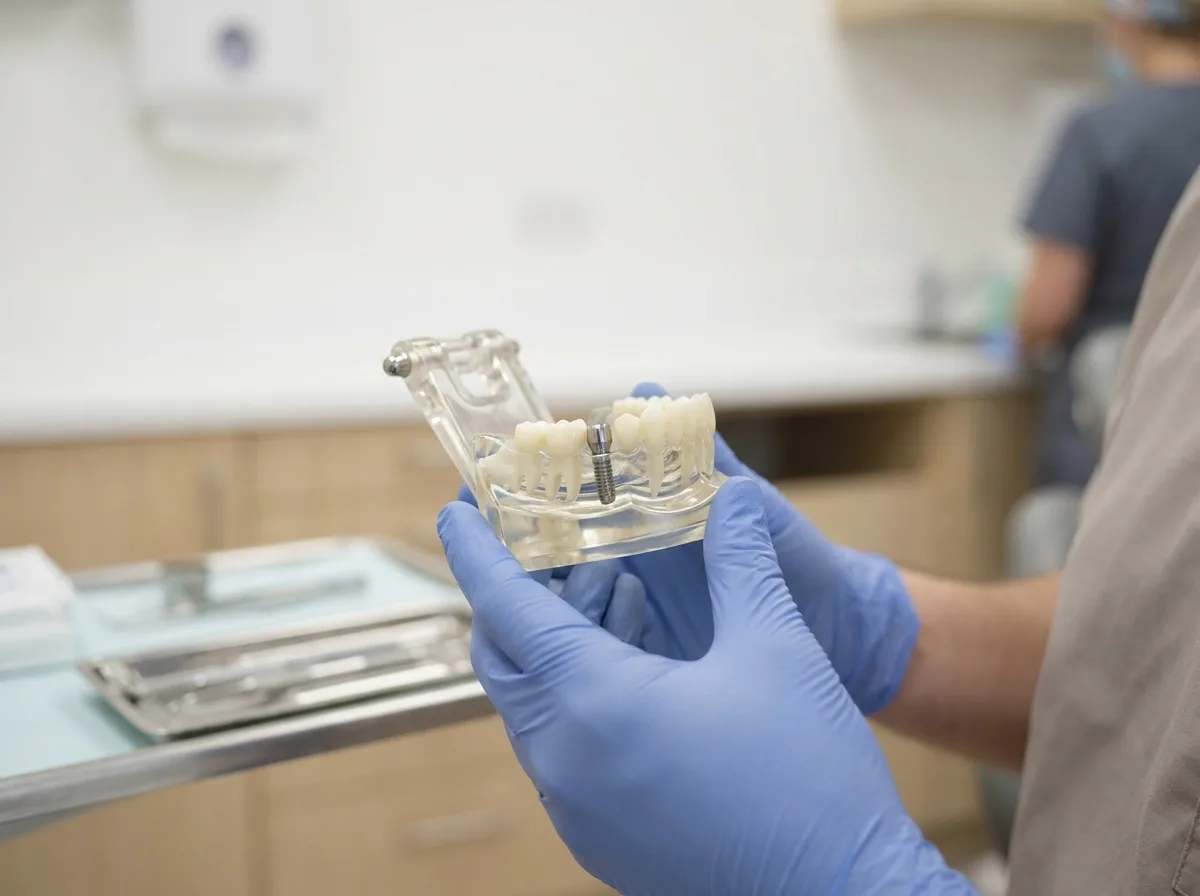
A crown restores a tooth that remains in the mouth; a bridge fills a space where a tooth is missing. That distinction affects what is prepared and what needs cleaning afterward. A bridge may rely on natural teeth or implants, while a crown needs a suitable supporting tooth or implant. The dentist should identify those supports before discussing appearance or materials.
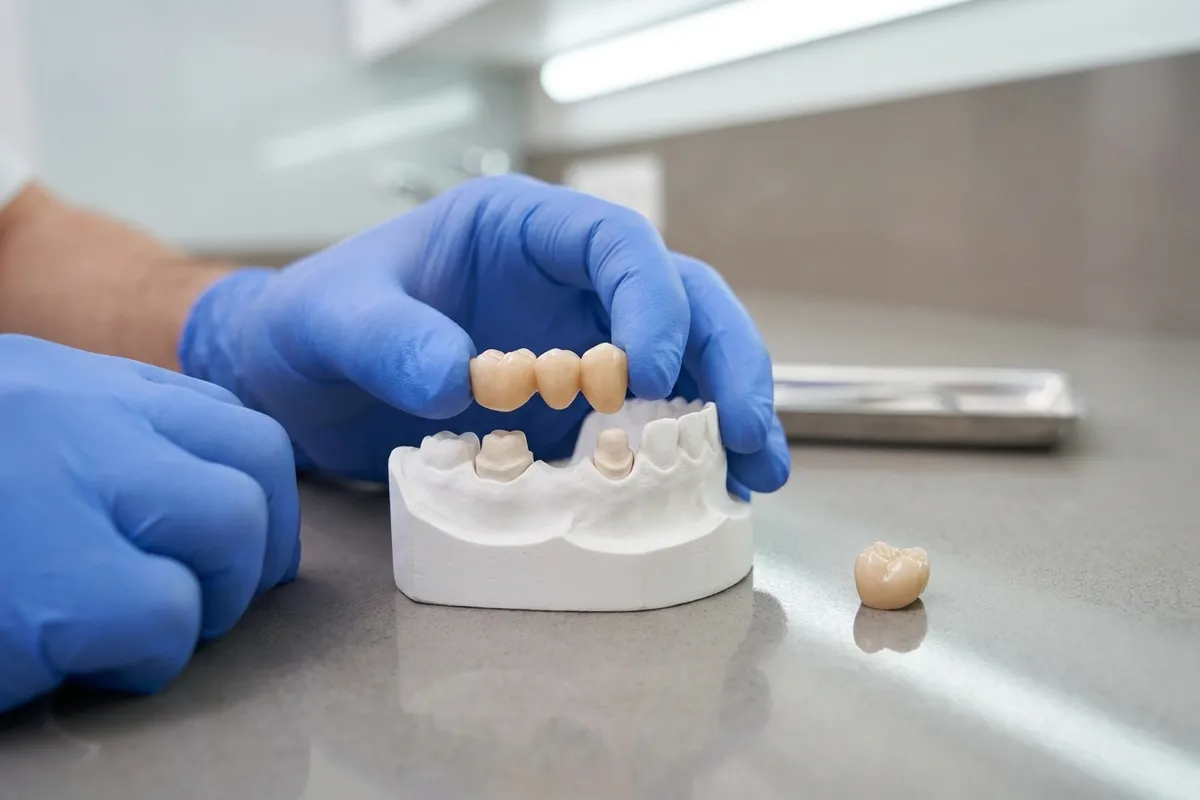
Why a Crown or Bridge May Help
A tooth with extensive damage, a large restoration, or certain fractures may benefit from coverage. A bridge can fill a gap when its supporting teeth or implants are suitable. The dental team assesses the whole area so that restoring one tooth does not overlook decay, gum disease, or problems with the bite.
A heavily restored tooth may need protection even when no tooth is missing. A gap, by contrast, raises questions about replacement and the condition of neighboring teeth. These are separate decisions, although crowns may form part of a bridge. Ask which problem each proposed restoration addresses and whether the supporting teeth need other treatment before they can carry it.
- A crown covers a damaged tooth when a smaller restoration may not provide sufficient support or protection for everyday function.
- A bridge replaces one or more missing teeth using appropriate supports; supporting teeth or implants need their own assessment.
- These restorations can improve shape and chewing, but they do not make natural supporting teeth immune to decay or gum problems.
Signs That Need Assessment
A broken tooth, repeated filling failure, pain on chewing, or difficulty eating after losing a tooth deserves examination. Not every damaged tooth needs a crown, and not every gap is best treated with a bridge. Symptoms and the amount of healthy tooth structure help guide the recommendation.
For a crown, remaining tooth structure and the location of any crack affect whether coverage is appropriate. For a bridge, each support must be assessed along with the space to be replaced. Grinding and difficulty cleaning beneath a replacement tooth should be discussed. A natural tooth with advanced damage may require another approach despite having an attractive crown planned.
- Tell the treating team about cracks, large fillings, root canal treatment, and sensitivity that may affect the condition of the proposed supporting tooth.
- For a bridge, the health and arrangement of neighboring supports influence whether that design is appropriate compared with other replacements.
- Discuss grinding, esthetic preferences, and difficulty cleaning under dental work so material choice and design account for daily use.
When to Begin Treatment
Treatment may be planned after addressing active decay, gum problems, or root canal needs. Custom work can involve preparation, a temporary restoration, and a later fitting appointment. A missing tooth replacement should be considered alongside healing, neighboring tooth health, and alternatives rather than rushed for appearance alone.
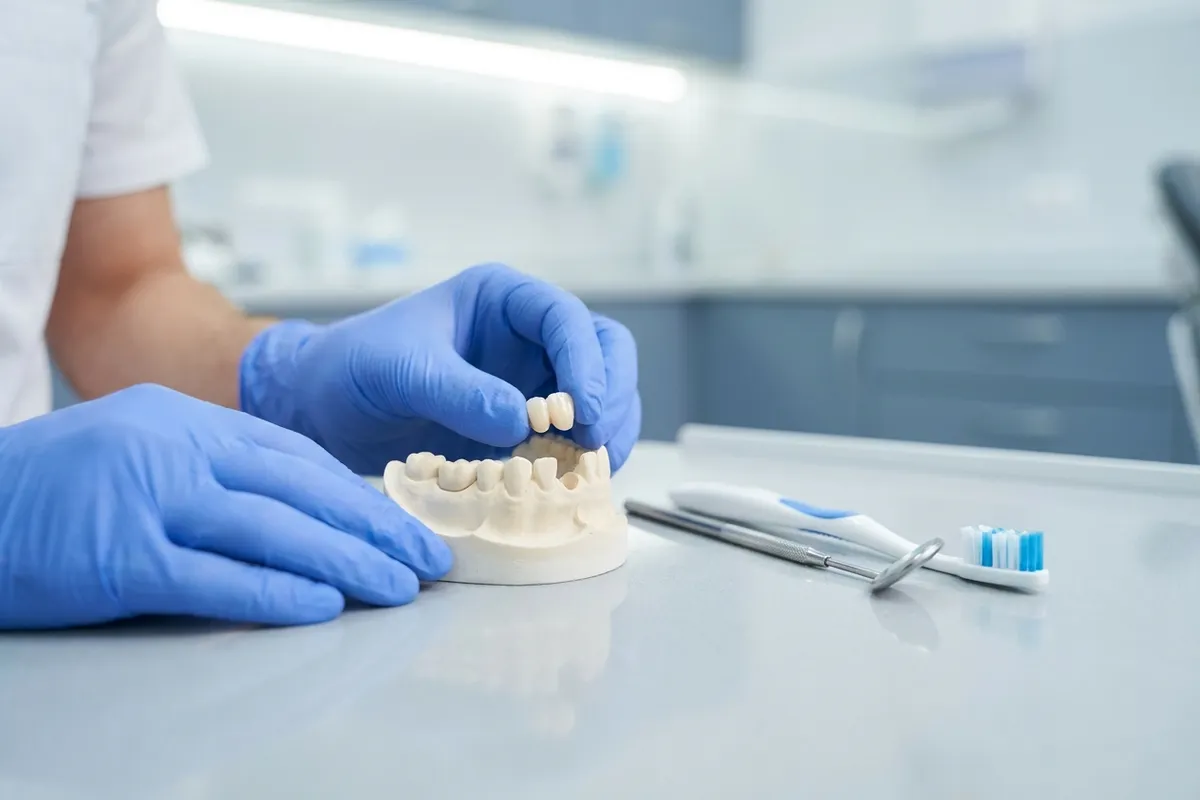
Assessment for crowns and bridges
The dental team examines the teeth, gums, and bite and reviews appropriate images. For a bridge, the strength and condition of its supports are especially important. The dental team discusses material choices, cleaning access, and likely maintenance. An implant or removable replacement may be preferable in some situations.
- Examination and selected images assess supporting roots and remaining structure before preparation and impressions or scans are arranged.
- A temporary crown or bridge may protect prepared teeth while the final restoration is fabricated; ask how to care for it.
- At fitting, margins, contacts, appearance, and the bite are checked; persistent early contact on one tooth should be reported.
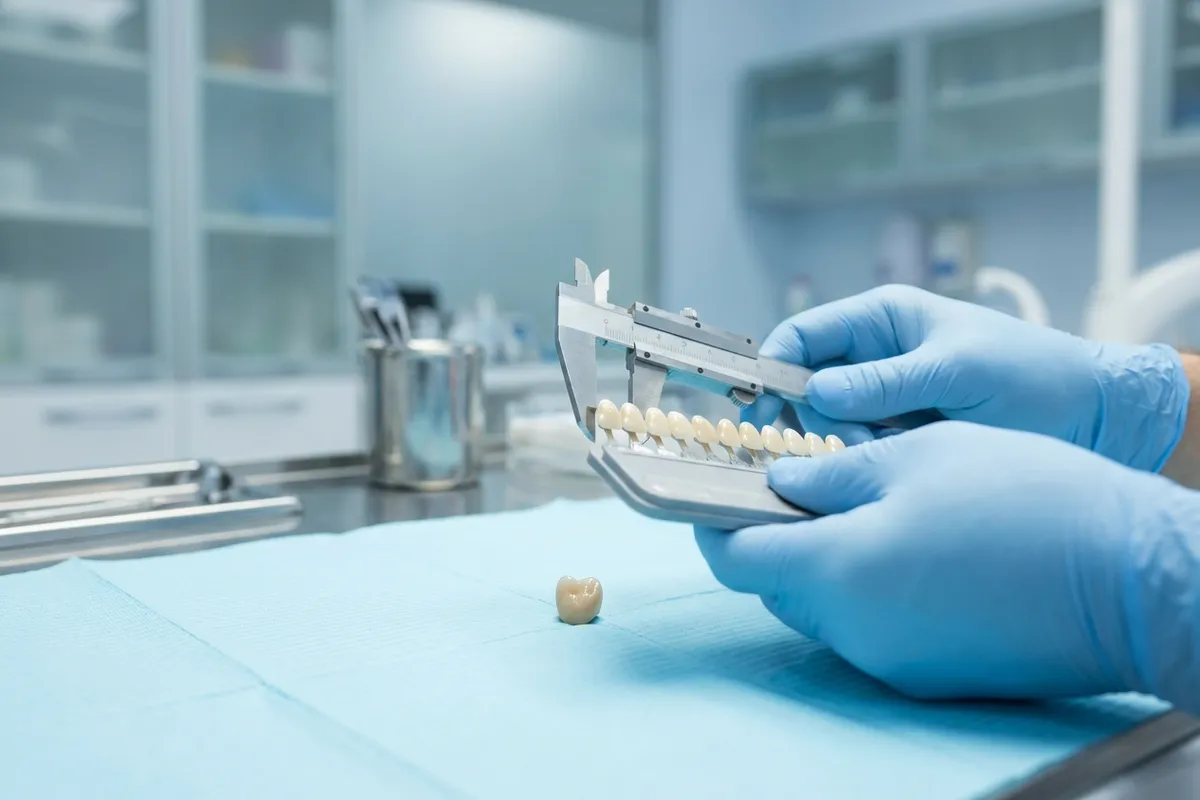
Restoration Options and Placement
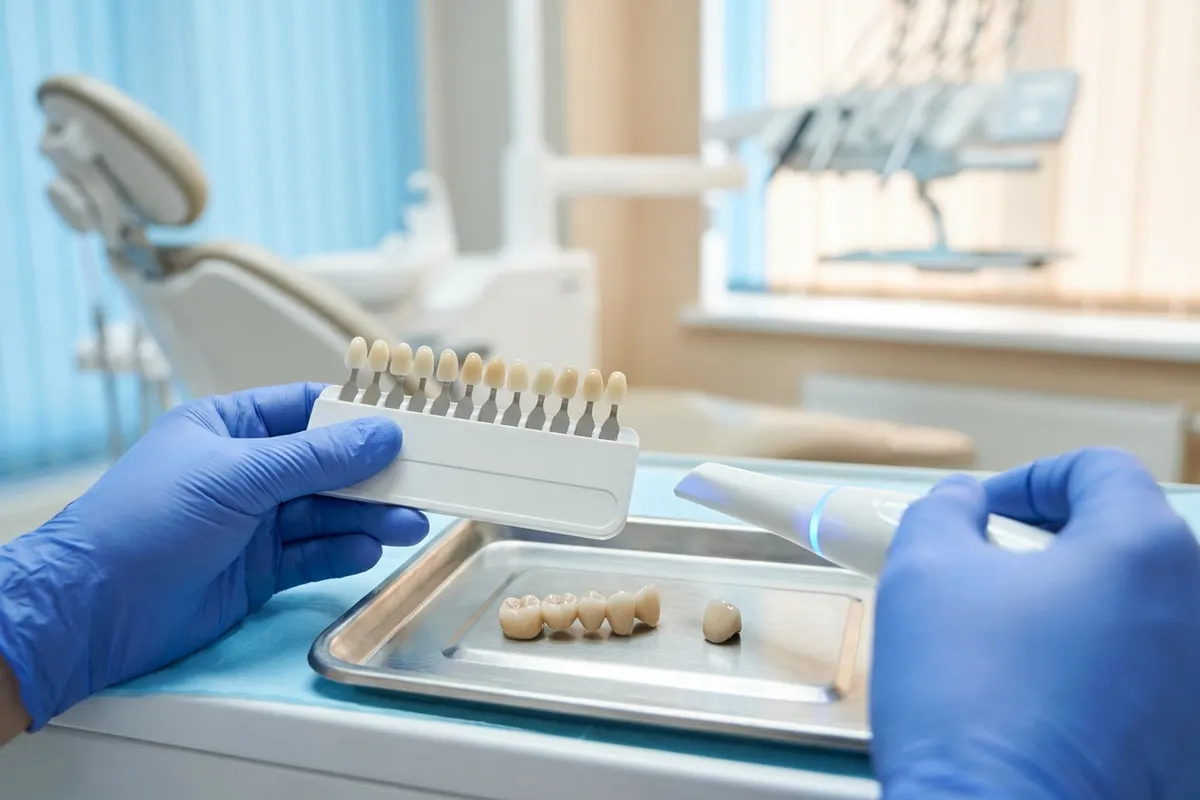
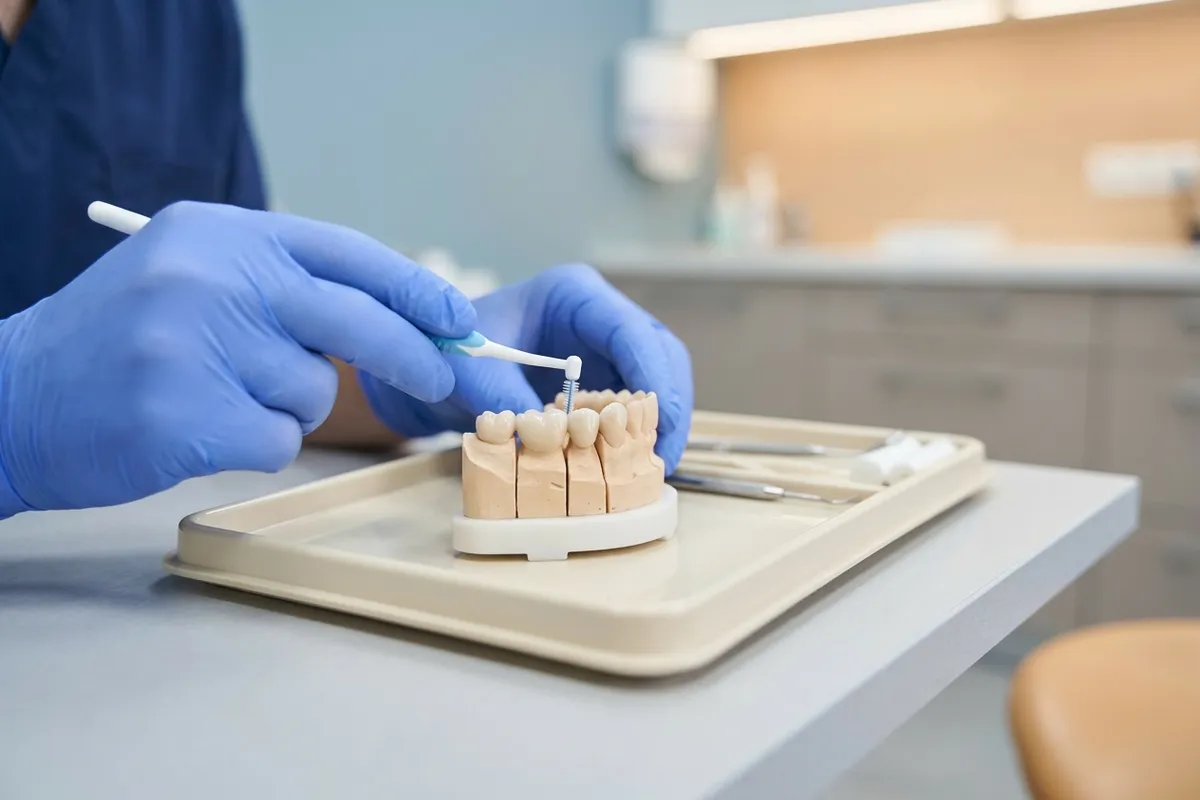
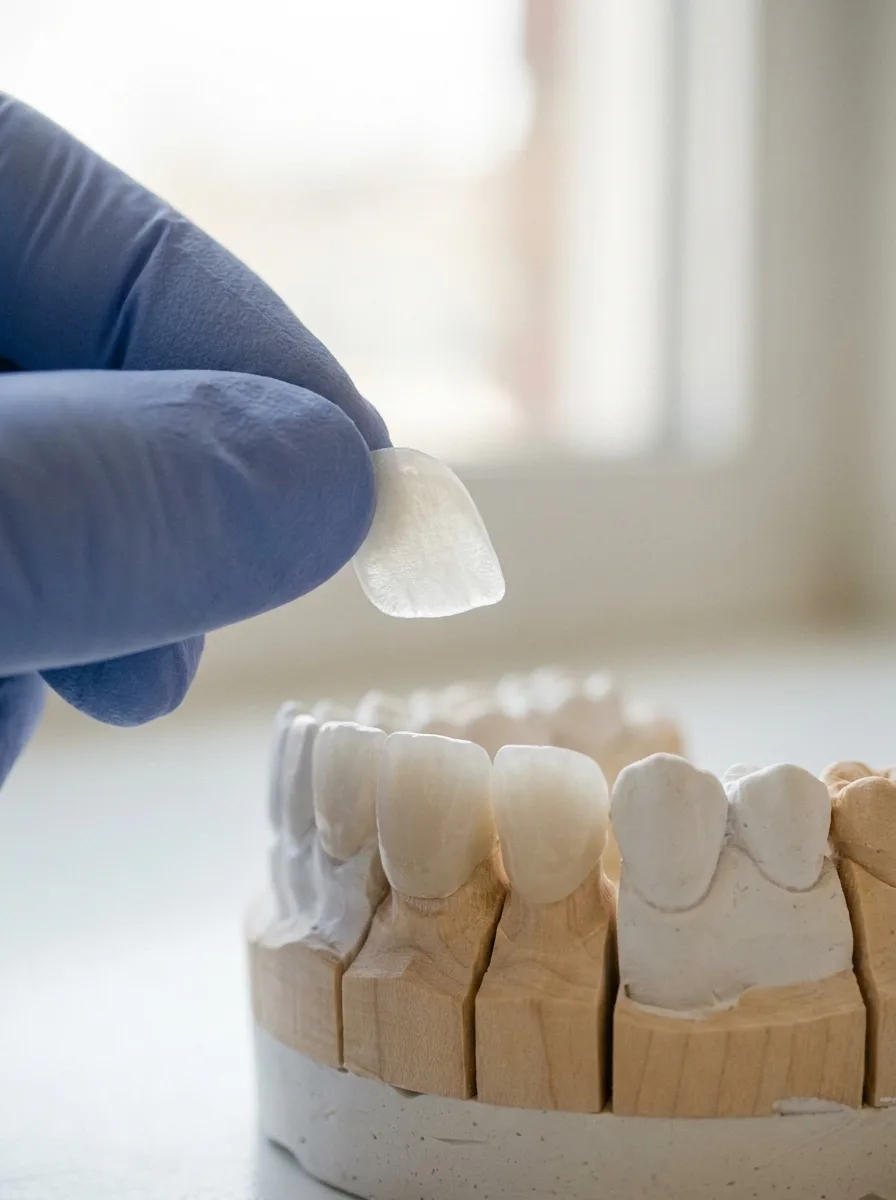
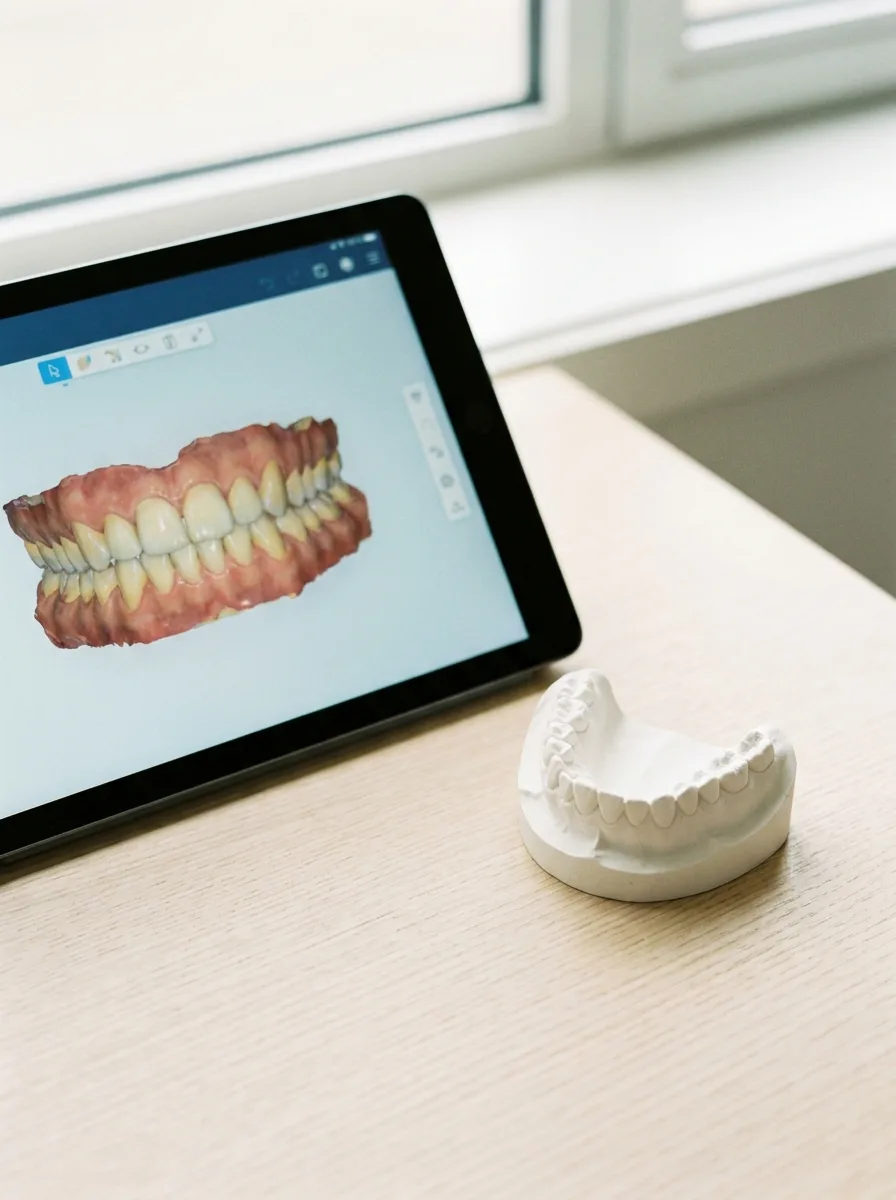
A prepared tooth or implant is recorded with an impression or digital scan. The custom crown or bridge is checked for fit, shade, contacts, and bite before final placement. Temporary restorations may protect prepared teeth during fabrication. The dental team explains the sequence and how to care for each stage.
A smaller filling or partial-coverage restoration may suit some damaged teeth, while others need a crown. For a missing tooth, an implant or removable replacement may be considered alongside a bridge. Compare how each choice uses the remaining teeth, the care a temporary restoration needs, and what repair would involve if a support or the final restoration later develops a problem.
Aftercare and Maintenance
Clean crown margins carefully and use a suitable tool beneath a bridge’s replacement tooth. Restorations do not make supporting teeth immune to decay or gum disease. Contact the treating team about a loose restoration, persistent discomfort, or a bite that feels high. Regular reviews help detect problems early and assess wear.
Cleaning a crown concentrates on its margin and the neighboring tooth surfaces; a bridge also needs access beneath the replacement tooth. Ask for a demonstration with tools you can manage. A loose temporary, persistent high bite, or new food trapping deserves a review. Restorations cover or replace tooth structure, but natural supporting teeth remain susceptible to decay and gum disease.
- Use the demonstrated method to clean beneath a bridge as well as around the supporting teeth and gumline.
- Follow temporary-restoration restrictions and call if the temporary comes off; exposed prepared teeth should not be ignored until the final appointment.
- Arrange assessment for a loose restoration, new food trapping, a chipped edge, or persistent sensitivity rather than relying on household adhesives.
Crowns and bridges, step by step
- 1
Assess support and restoration choices
The teeth, gums and bite are reviewed to determine what can support a crown or bridge. Discuss alternatives and any decay or gum treatment needed first.
- 2
Prepare and record the planned restoration
The supporting teeth are prepared as required and records guide fabrication. A temporary restoration may protect the area while the definitive crown or bridge is made.
- 3
Fit and maintain the restoration
Fit, appearance and bite are checked before final placement. Learn how to clean the crown margins or beneath the bridge and arrange ongoing reviews.
Services
Other treatments we offer


Questions about this treatment
Schedule your visit in Gloucester
Leland Dentistry & Implants opens in January 2027. Use our online form to request a consultation with Dr. Brian Leland.
About us
Why patients choose Leland Dentistry
Dr. Brian Leland teaches other dentists how to place dental implants.
Board-certified expertise
Dr. Leland is a Diplomate of the American Board of Oral Implantology.

Advanced treatments & restorations
From 3D-printed same-day single teeth to full-mouth solutions, our office utilizes the most cutting-edge technology to deliver restored smiles.

Clear communication
Your treatment plan is explained in plain English or in conversational Mandarin Chinese.
Visit us
We're waiting for you in Gloucester
76 Prospect St
Gloucester, MA 01930