
Service
Bone Grafting in Gloucester
Dr. Brian Leland performs bone grafting in Gloucester. This procedure rebuilds the structure of your jaw when you have lost bone. Ridge augmentation and hard tissue grafting create a stable foundation for dental implants. You receive clear guidance on what to expect before any treatment begins.
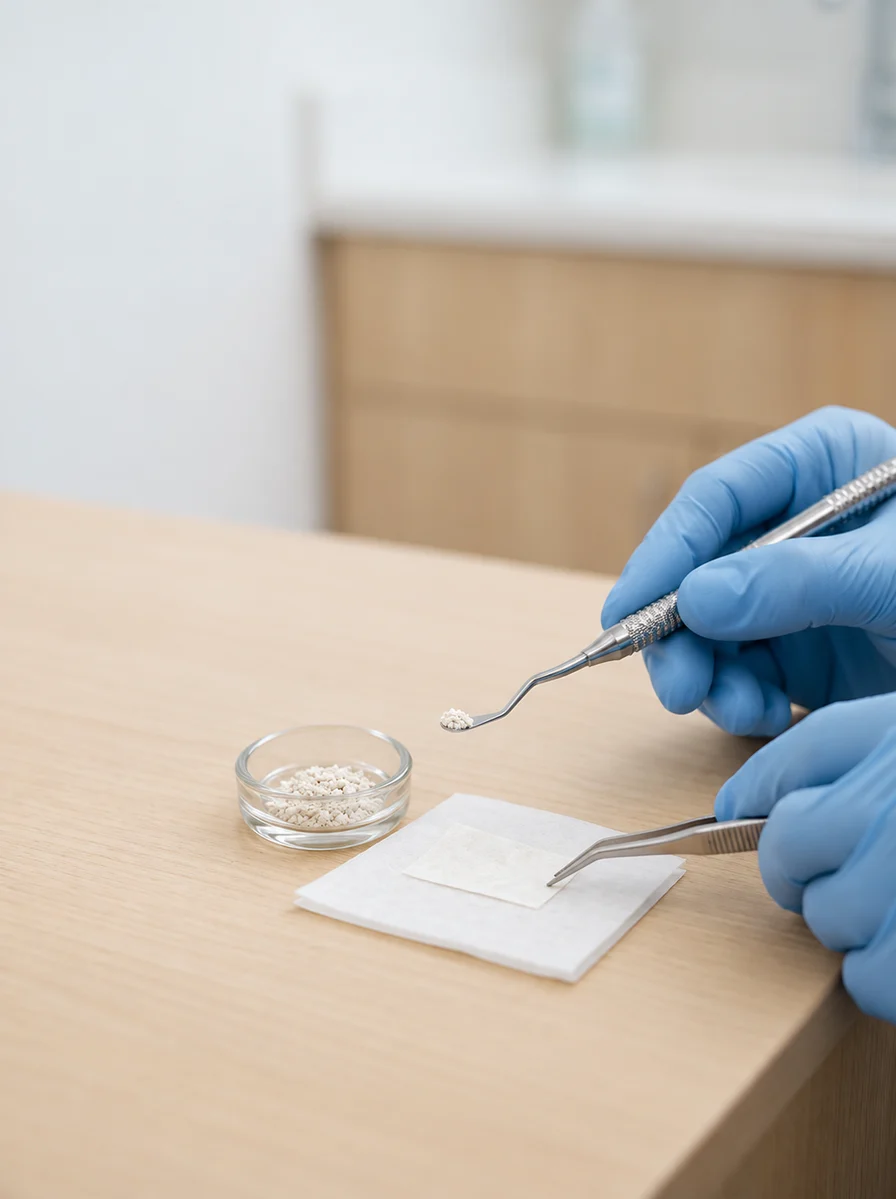
Understanding bone grafting
Bone grafting may support the development or preservation of bone for a planned dental treatment. It is considered when a site lacks suitable bone or when maintaining an extraction ridge matters for later replacement. A graft is one stage of a plan and does not guarantee readiness for an implant.
A graft is placed to support bone development at a site where the existing shape or amount of bone is insufficient for the planned treatment. It does not itself replace a missing tooth. The location, defect, and future restoration influence the plan. Ask whether the purpose is preserving an extraction site, rebuilding a ridge, or preparing for another defined procedure.
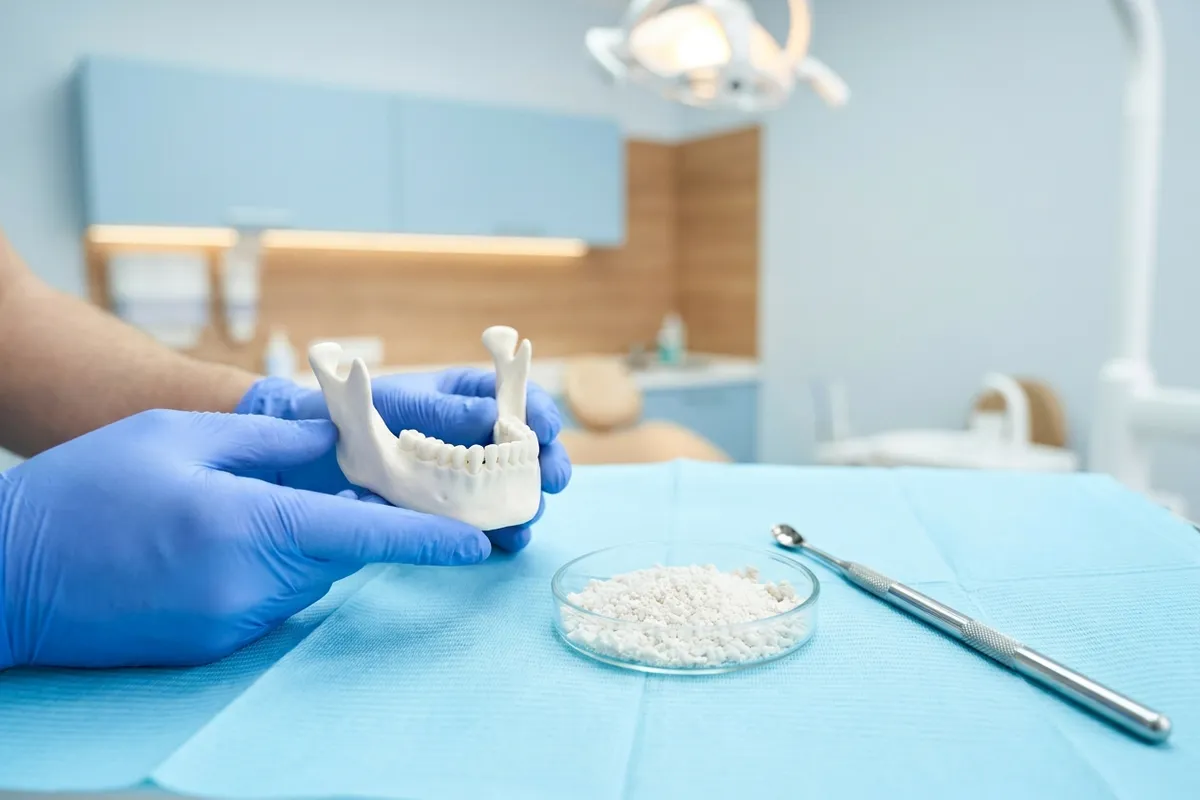
Why Bone Volume Matters
Tooth loss and periodontal disease can change the amount and shape of supporting bone. That can affect where an implant might be placed and how a replacement will function. Assessing the site before extraction or implant care helps clarify whether grafting adds value and whether a nonsurgical replacement option is preferable.
Bone changes after tooth loss can leave an implant site with limited support. A graft may help address that problem, but the need depends on the proposed implant position and local anatomy. Not every missing tooth requires grafting. The dentist should explain the findings that justify adding bone and how those findings affect other possible ways to replace the tooth.
- An area with reduced bone may need augmentation when its shape or volume is insufficient for a planned dental implant.
- Bone loss can follow tooth loss or disease; a graft is planned around the specific defect and the intended next treatment stage.
- Grafting may improve a site's suitability, but it does not guarantee implant placement or a successful final restoration in every case.
Who May Be a Candidate
Suitability depends on the defect, gum health, infection, medical history, medicines, and habits such as smoking. Not every missing tooth or implant site needs a graft. Some situations need a specialist assessment or a different approach, particularly when the site or health factors make the proposed surgery more complex.
Graft planning takes account of infection at the site, previous surgery, smoking, and medical factors that can affect healing. Provide details of medicines that influence bleeding or bone health, including treatment given outside dentistry. The team may need medical advice before scheduling. These discussions help select a suitable plan without asking you to independently stop or alter prescribed care.
- Discuss the proposed tooth replacement first so you understand why bone augmentation is recommended and whether another design avoids that surgery.
- Mention smoking, diabetes, medicines affecting bone, and previous healing difficulties because these can influence surgical planning and risk.
- Ask about the source and purpose of the graft material if you have medical, personal, or religious preferences about materials.
Timing and Healing Stages
A graft may be placed at extraction, before implant surgery, or as part of another procedure in selected cases. Healing commonly requires a period of months, but the schedule varies. Readiness for the next stage is determined by assessment of the site rather than a calendar date alone.
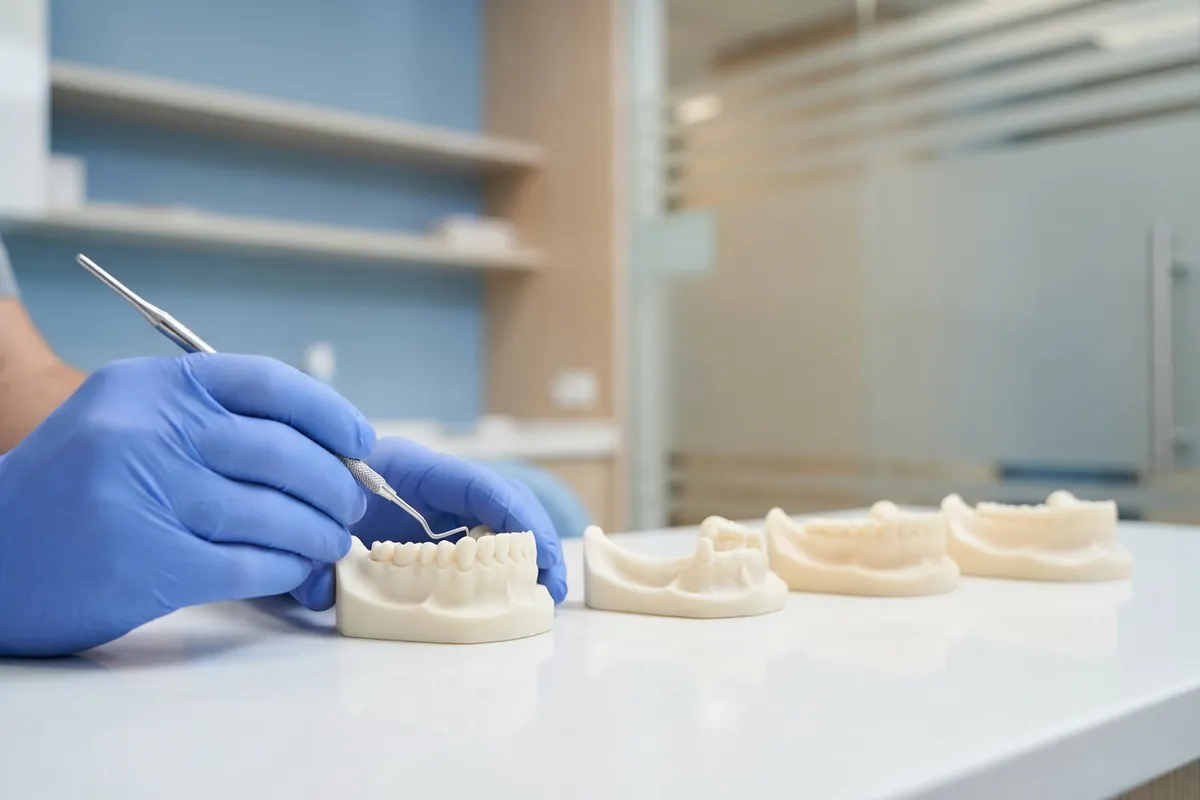
Assessment for bone grafting
The dental team examines the teeth, gums, and proposed treatment area and reviews appropriate images to assess the bone and nearby anatomy. The dental team discusses the purpose of grafting and factors that affect healing. The plan includes material choices, likely stages, alternatives, and whether a specialist should be involved.
- Examination and suitable imaging assess the defect, nearby structures, soft tissues, and space required for the planned replacement.
- Some grafts are placed around an extraction site, while other defects need a separate procedure; timing depends on the findings.
- Clarify whether the plan includes a membrane, stitches, a temporary appliance, and later reassessment before an implant can be considered.
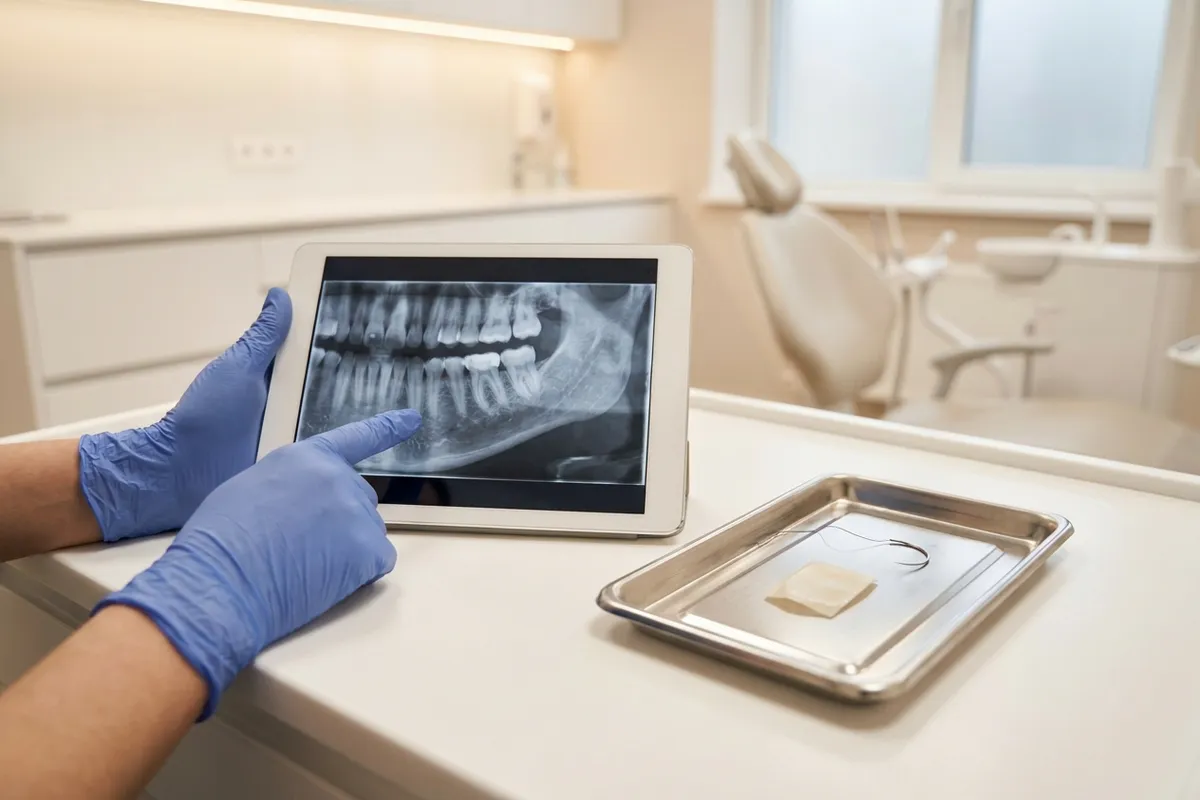
Grafting Options and Treatment
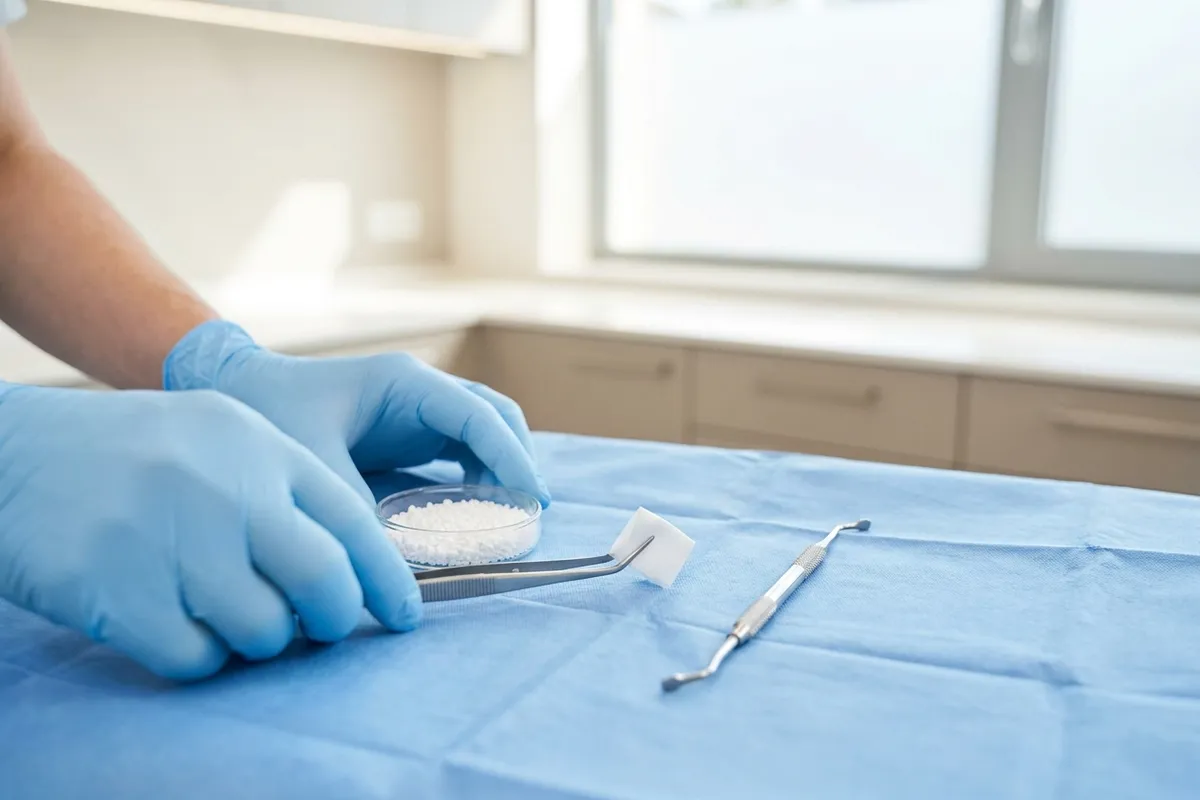
Graft materials can come from different sources and act as a framework for healing and bone development. The technique depends on the size and location of the defect. The dental team explains the proposed material, comfort measures, and any protective membrane or related procedure before treatment decisions are made.
The surgeon may place graft material after accessing the deficient area, sometimes with a membrane to help protect the developing site. Material sources and techniques differ, so ask what is proposed for you. Discuss whether grafting and implant placement would happen together or in separate stages, and what alternatives remain if you decide against the additional procedure.
Recovery and Follow-Up
Follow instructions for food, cleaning, activity, and medicines while protecting the surgical site. Attend reviews so healing can be assessed. Report increasing pain, swelling, or bleeding that does not settle as instructed. The result must be evaluated before later treatment, and additional grafting or another replacement approach may still be needed.
A grafted area needs protection during healing even when discomfort settles quickly. Follow instructions about cleaning, chewing, and any temporary tooth that could press on the site. Avoid testing the graft with your tongue or fingers. Attend the planned assessment before the next restorative stage, and contact the team about unexpected bleeding, increasing swelling, or changes to the wound.
- Avoid disturbing the graft and follow site-specific instructions for brushing, rinsing, eating, and any removable appliance over the area.
- Keep healing reviews because readiness for the next stage depends on assessment, not just the passage of a fixed number of weeks.
- Report increasing swelling, fever, persistent bleeding, or an opening at the site so the treating clinician can assess healing.
Bone grafting, step by step
- 1
Assess the bone and future treatment
The proposed site and its purpose are reviewed, with imaging when needed. Discuss graft materials, alternatives and how grafting would fit with extraction or implant treatment.
- 2
Graft and protect the site
If you proceed, graft material is placed using the planned technique. Instructions explain how to protect the wound and any membrane while the site heals.
- 3
Review readiness for the next stage
The team checks healing and bone development before further treatment. Implant timing depends on the site's condition rather than a guaranteed date.
Services
Other treatments we offer

Questions about this treatment
Book your visit
Leland Dentistry & Implants serves patients in Gloucester. You can request a consultation for bone grafting and dental implants online.
About us
Why patients choose Leland Dentistry
Dr. Brian Leland teaches other dentists how to place dental implants.
Board-certified expertise
Dr. Leland is a Diplomate of the American Board of Oral Implantology.
Advanced treatments & restorations
From 3D-printed same-day single teeth to full-mouth solutions, our office utilizes the most cutting-edge technology to deliver restored smiles.

Clear communication
Your treatment plan is explained in plain English or in conversational Mandarin Chinese.
Visit us
We're waiting for you in Gloucester
76 Prospect St
Gloucester, MA 01930