
Service
General dentistry in Gloucester
General dentistry is the everyday care that keeps small problems small: regular exams, cleanings, X-rays when needed, and prompt treatment when something turns up.

Understanding general dentistry
General dentistry connects prevention, diagnosis, and treatment for everyday oral health. It includes examinations, cleaning, appropriate imaging, and care for problems such as cavities or damaged teeth. the first step is understanding your current needs rather than choosing a procedure before an assessment.
A general dental visit brings information from different areas of your mouth into one plan. Teeth, restorations, gums, and other oral tissues are assessed together rather than as isolated concerns. The resulting recommendations may include prevention, a repair, monitoring, or referral. Understanding which finding each recommendation addresses helps you set priorities when more than one issue is identified.

Why a Coordinated Approach Helps
A tooth problem may be connected to gum health, existing dental work, or habits that increase cavity risk. Looking at the whole mouth helps set priorities. Some findings can be managed through prevention and monitoring, while others need restorative treatment or a separate assessment by a specialist.
A tooth can develop a problem before it hurts, while a painful area may have more than one possible cause. Regular assessment helps distinguish prevention needs from existing disease. New medicines, dry mouth, and changes in home care can alter that picture between visits. Tell the dentist what has changed instead of assuming the previous plan remains appropriate indefinitely.
- General dental care connects prevention, diagnosis, repair, and follow-up rather than treating each tooth problem as an isolated visit.
- An examination may identify decay, damaged restorations, or gum concerns before they interrupt eating, sleeping, or daily comfort.
- Coordinated care helps distinguish urgent disease management from elective improvements, making a multi-step treatment plan easier to prioritize.
Concerns to Bring to Your Visit
Mention sensitivity, bleeding gums, dry mouth, a broken filling, difficulty chewing, or changes in your mouth. Bring a list of medicines and information about previous treatment. If you have not attended recently, explain your concerns and preferences so that the conversation starts with a realistic picture of your needs.
Explain what makes dental care difficult for you, whether it is anxiety, limited hand movement, sensitive teeth, or managing several health conditions. Bring an updated medicine list and relevant dental records. A general plan should account for those practical needs, including caregiver assistance when appropriate, so its home-care advice and appointment arrangements are possible to follow in everyday life.
- Tell the treating team about dental anxiety, missed visits, past difficulties, and the main concern you want addressed at your first appointment.
- Share medical conditions and current medicines, including anything that causes dry mouth or may affect dental treatment planning.
- If several teeth need care, discuss practical priorities, appointment availability, and maintenance needs without assuming everything must be completed at once.
When to Arrange Care
Preventive visit intervals depend on risk and past findings, not one schedule for every patient. New symptoms should be assessed before the next planned checkup when necessary. If a treatment plan has several parts, ask which issues need prompt attention and which can be staged or monitored safely.
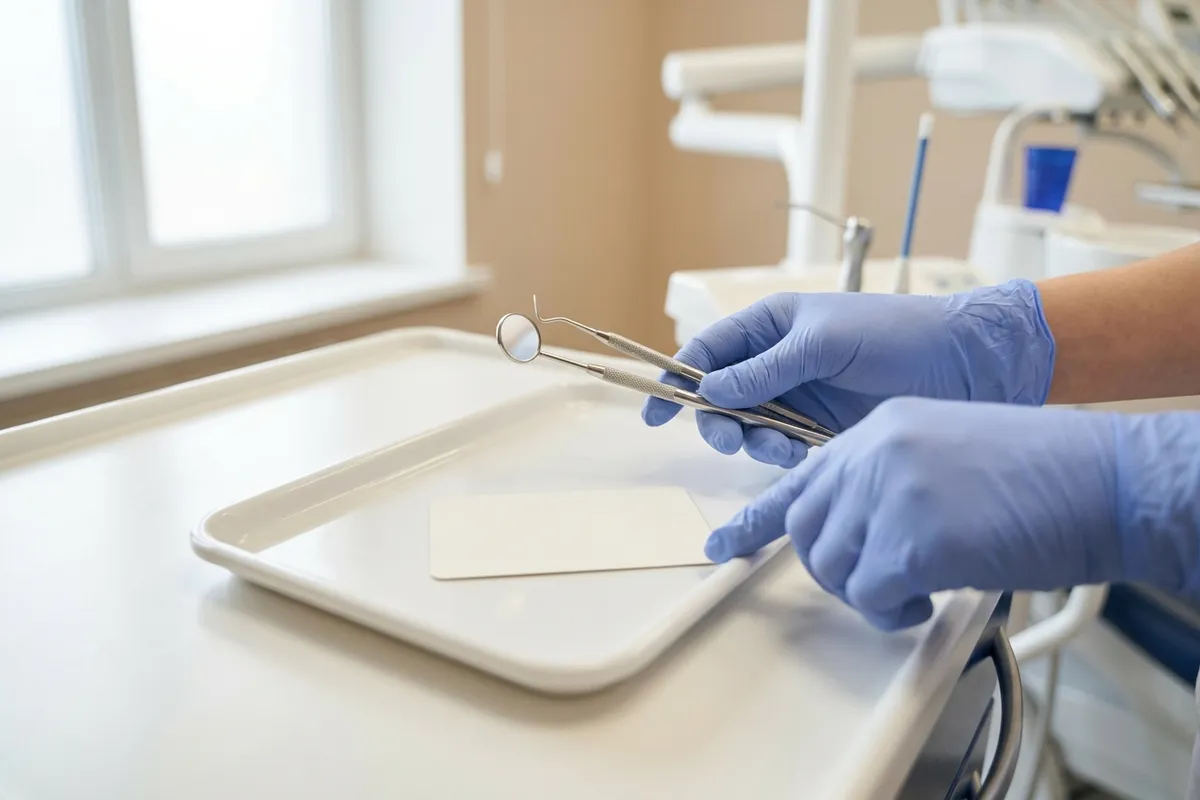
Assessment for general dentistry
The dentist reviews your medical and dental history and examines the teeth, gums, oral tissues, bite, and existing restorations. X-rays are chosen when they add useful information. The dental team explains what has been found, how it affects your health, and what further testing or referral may be appropriate.
- The initial assessment brings together tooth, gum, bite, and soft-tissue findings with any images justified by your symptoms or risk.
- Ask for an explanation of each recommendation, including whether monitoring, prevention, or restorative treatment best addresses the finding.
- Specialist referral may be appropriate for complex root, gum, surgical, or alignment concerns while general care continues to support overall oral health.
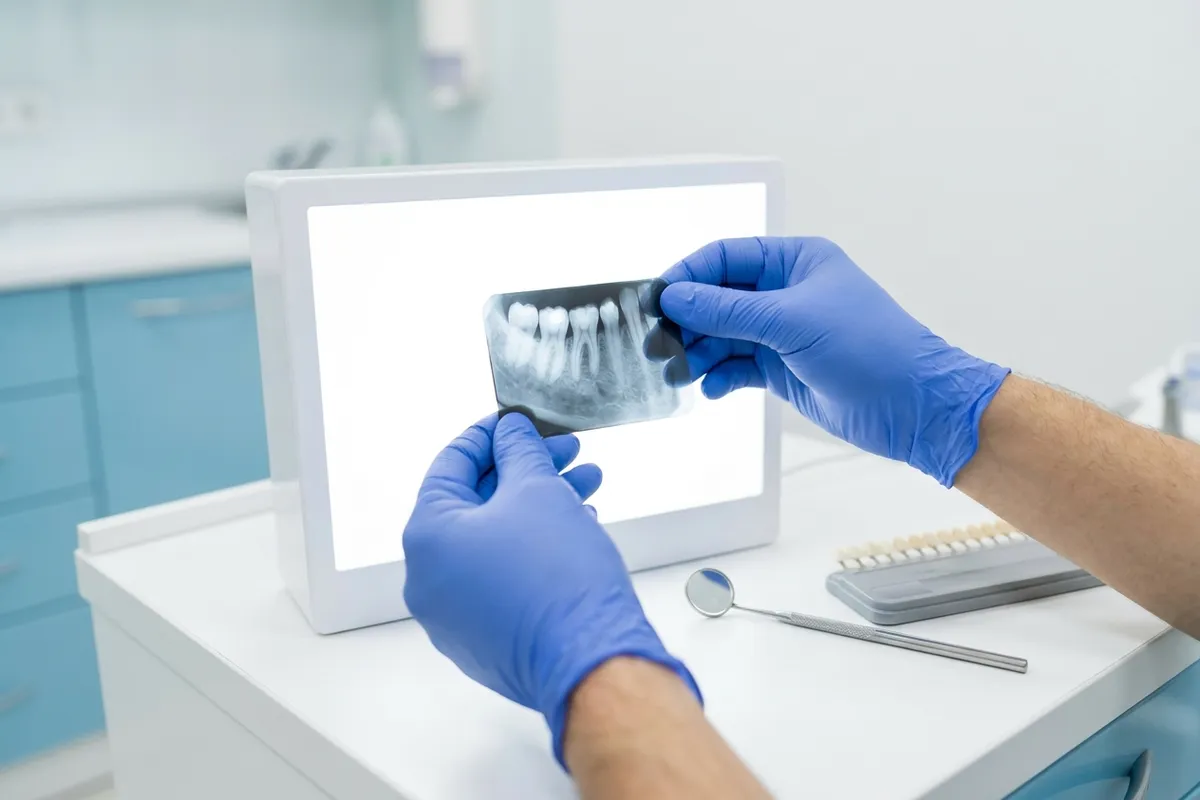
Care Options and Decisions
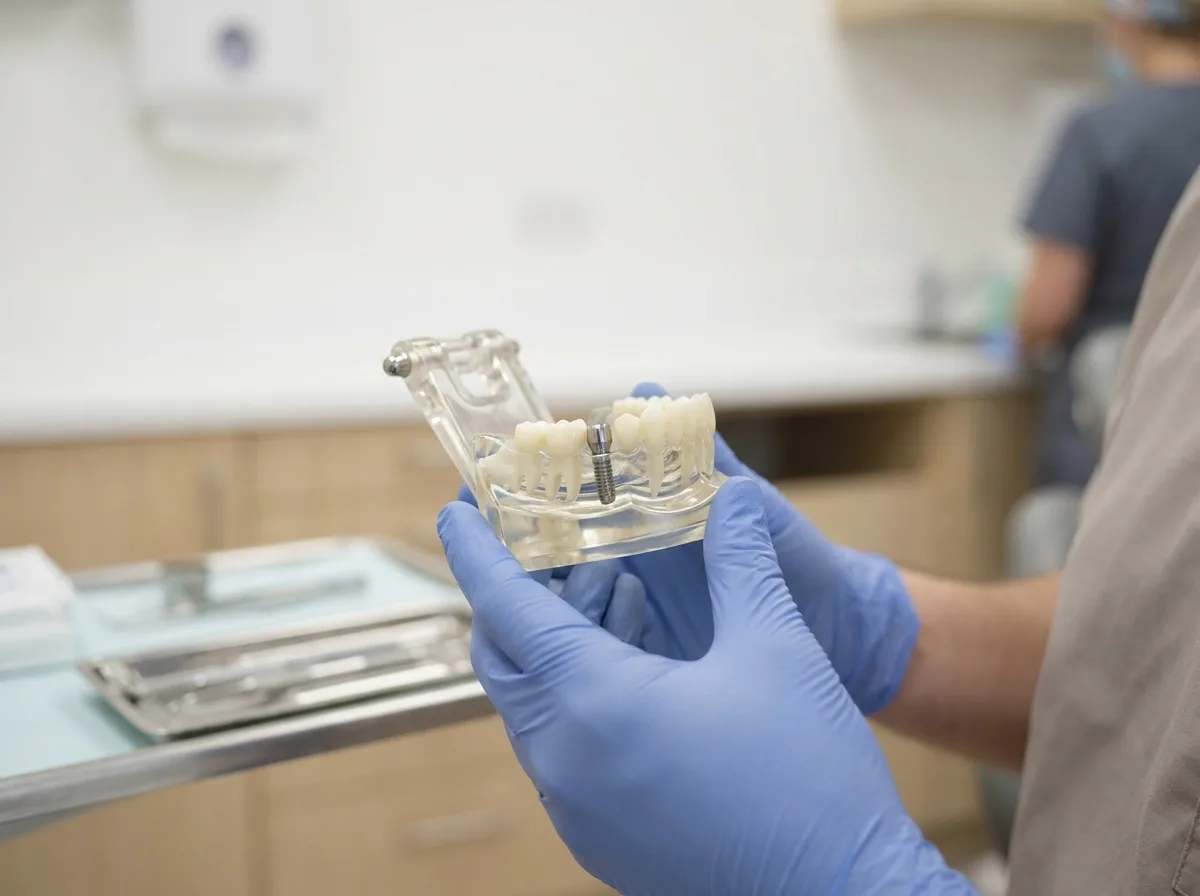
Recommendations can include cleaning, preventive advice, fillings, crowns, tooth replacement, or treatment for gum or nerve problems. The options depend on the findings. Discuss alternatives, expected appointments, costs, and future maintenance before deciding. An examination may also show that monitoring and home care are sufficient for now.
Priorities may range from treating active decay or gum disease to monitoring a stable restoration. Prevention supports both, but does not replace treatment for a diagnosed problem. Ask which work is time-sensitive, what can be reviewed, and whether another clinician should be involved. If several procedures are proposed, understanding their sequence helps you discuss manageable stages without losing the overall goal.
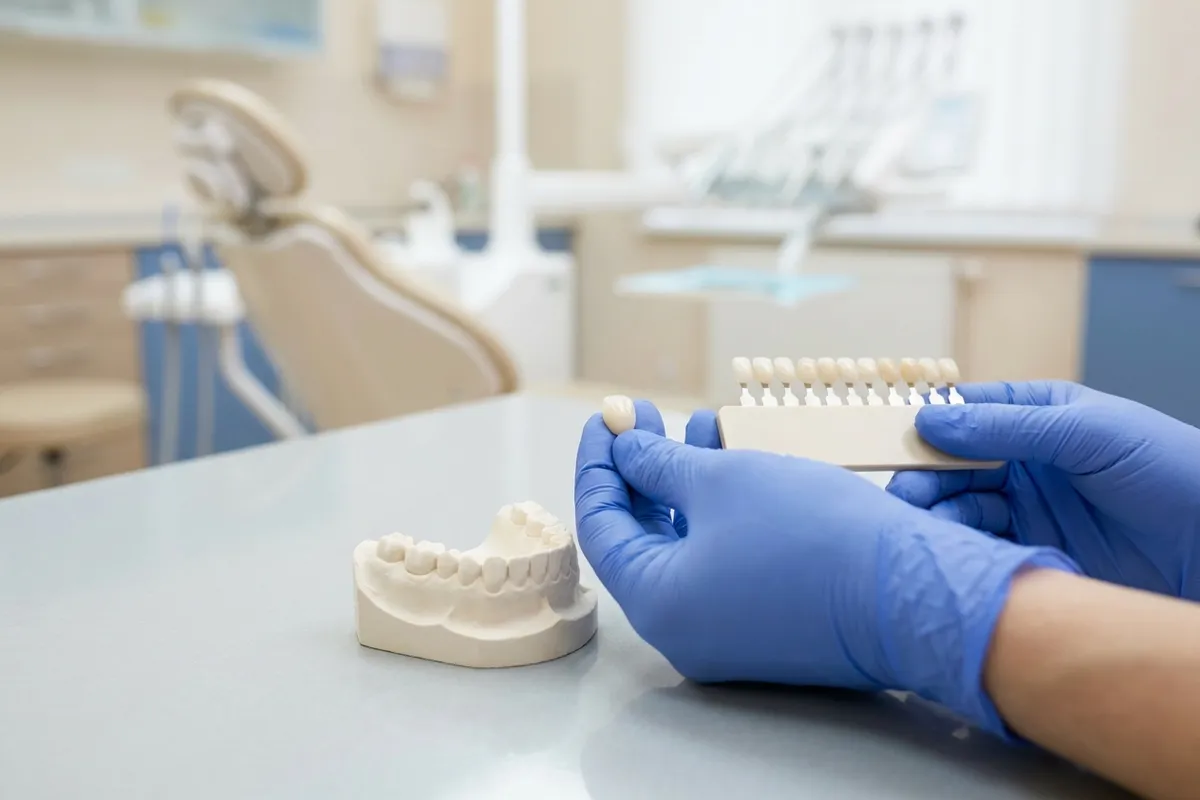
Aftercare and Ongoing Prevention
Follow the instructions for any procedure and keep the proposed review schedule. Brush with fluoride toothpaste and clean between teeth daily. Report changing symptoms, a loose restoration, or persistent pain. The plan can be updated as your health, dental work, and priorities change over time.
Between examinations, keep a routine that addresses the risks identified at your visit. Fluoride toothpaste, cleaning between teeth, and reducing frequent sugar exposure may support that plan. Report a new sore, broken restoration, persistent bleeding, or changing pain rather than waiting automatically for recall. Review appointments can then update both preventive advice and any findings previously kept under observation.
- Follow the instructions for the care completed and keep appointments needed to finish temporary or staged dental work.
- Maintain brushing with fluoride toothpaste and daily cleaning between teeth, adapting the tools for bridges, implants, or other appliances.
- Seek earlier assessment for new pain, swelling, a loose tooth, or a nonhealing sore instead of waiting for the next recall.
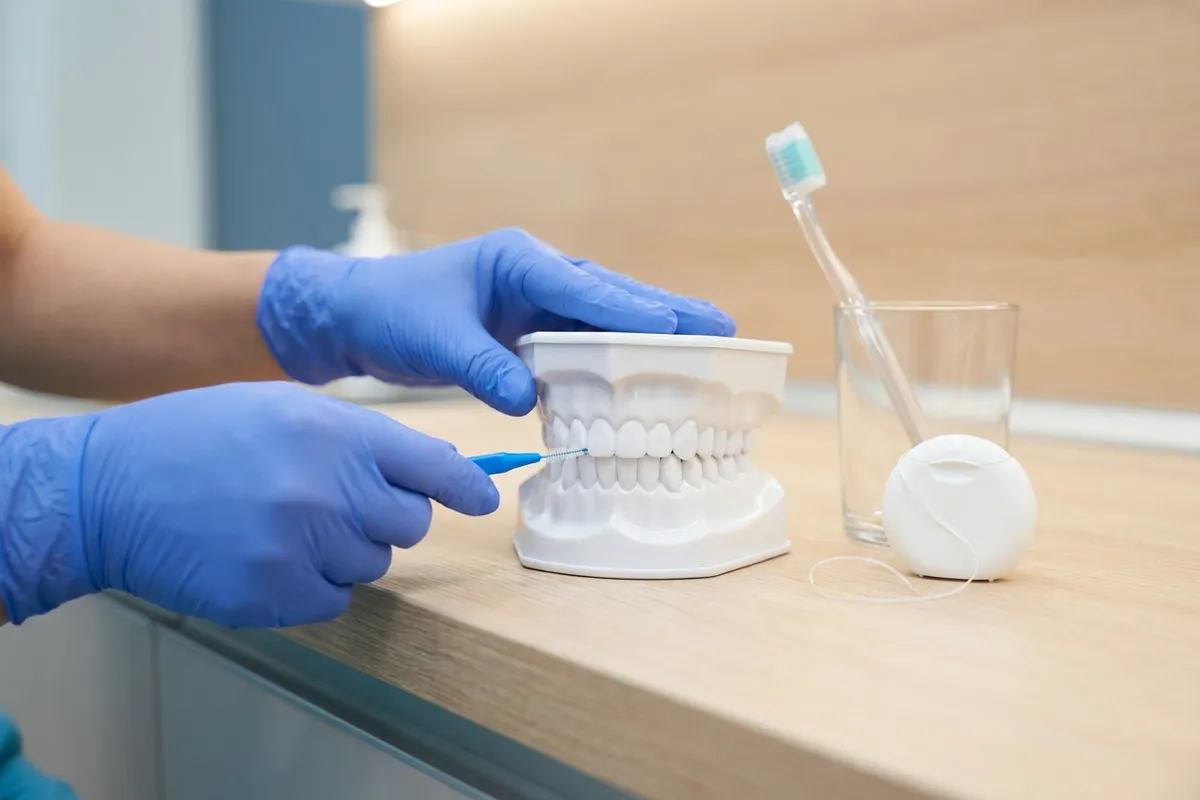
Your dental visit, step by step
- 1
Share concerns and health changes
Discuss pain, sensitivity, changes in your mouth and your dental priorities. Update the team about medicines and medical conditions that may affect care.
- 2
Examine and prioritize care
The dentist checks teeth, gums and other oral tissues, with tests or imaging when indicated. Findings guide preventive advice and any treatment options worth considering.
- 3
Plan treatment and future reviews
Agree on priorities and ask about alternatives before proceeding. Follow-up visits and home-care advice reflect your risk of decay, gum disease and other identified concerns.
Services
Other treatments we offer


Questions about this treatment
Schedule your visit in Gloucester
Leland Dentistry & Implants opens in January 2027. Use our online form to request a consultation with Dr. Brian Leland.
About us
Why patients choose Leland Dentistry
Dr. Brian Leland teaches other dentists how to place dental implants.
Board-certified expertise
Dr. Leland is a Diplomate of the American Board of Oral Implantology.
Advanced treatments & restorations
From 3D-printed same-day single teeth to full-mouth solutions, our office utilizes the most cutting-edge technology to deliver restored smiles.

Clear communication
Your treatment plan is explained in plain English or in conversational Mandarin Chinese.
Visit us
We're waiting for you in Gloucester
76 Prospect St
Gloucester, MA 01930