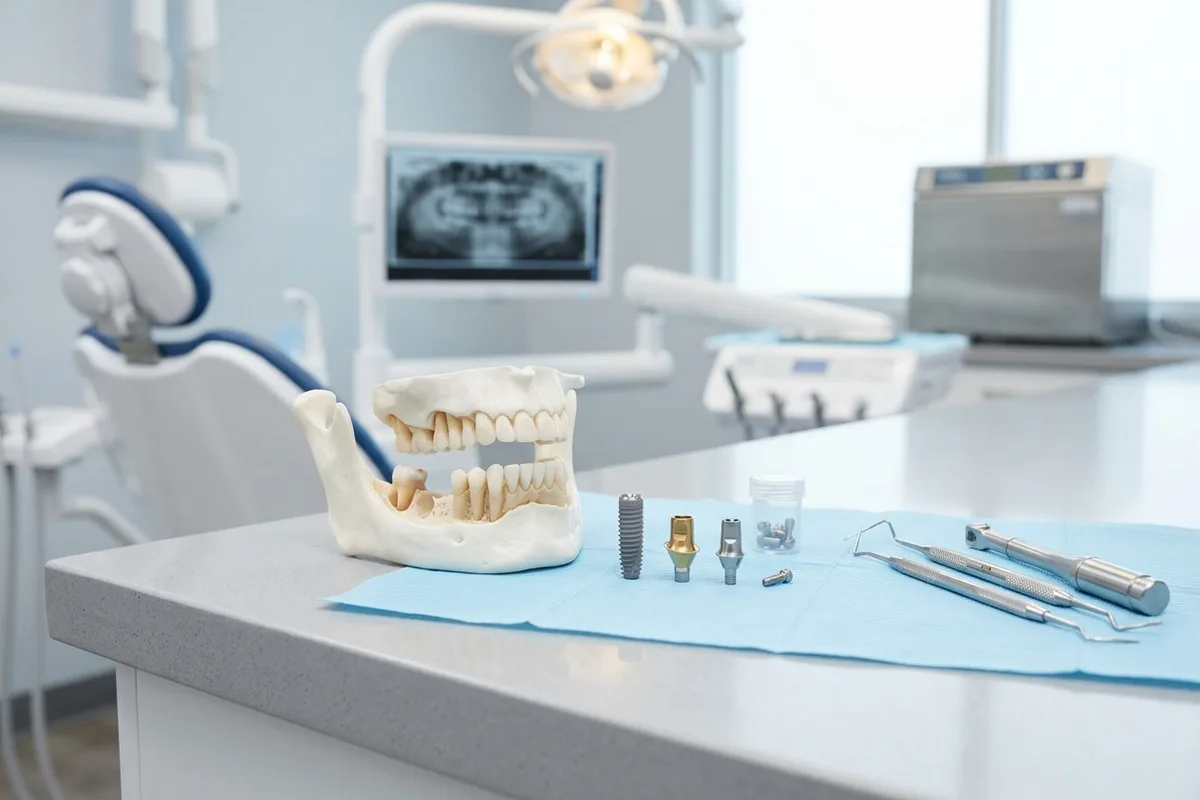
Dental Bone Graft Cost: A Patient Guide to Bone Grafting
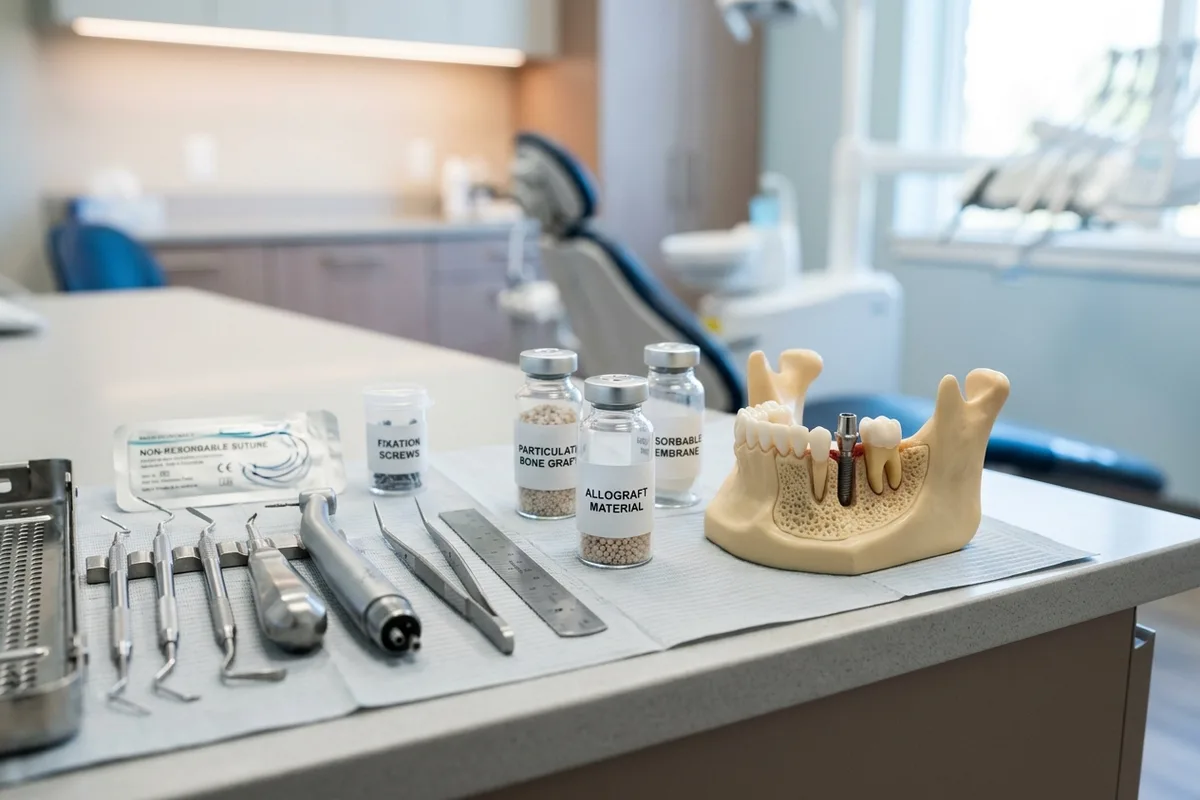
Understanding your dental bone graft cost begins with reviewing your written estimate. This guide explains bone grafting procedures, material options, and factors that influence your overall treatment plan.
Understanding Dental Bone Grafts and Costs
A dental bone graft provides a scaffold to promote new bone formation in the jaw. This procedure may be used when a patient lacks adequate bone to support a dental implant in a toothless area.[1]
Evaluating Your Written Estimate
Ask your dental provider detailed questions about your individual written estimate. You may want to ask what the total dental bone graft cost includes, such as the specific graft material and the surgical procedure itself.[1][4]
Insurance and Additional Fees
When reviewing your treatment plan, inquire whether your dental insurance covers related procedures like ridge modification or sinus augmentation. It is also helpful to ask if follow-up visits and necessary imaging are included in the estimated cost.[3][4]
Factors Influencing the Need for a Graft
Underlying conditions, including tooth loss and advanced gum disease, can affect the amount of supporting bone. Understanding these factors can help you discuss the recommended treatment plan.[1][5]
Tooth Loss and Bone Resorption
When a tooth is lost due to injury or disease, the surrounding alveolar bone can rapidly shrink. This resorption occurs because the bone no longer receives the natural intraosseous stimulation normally provided by periodontal ligament fibers.[1]
Advanced Periodontal Disease
Gum disease is an infection that causes inflammation of the tissues holding your teeth in place. If left untreated, advanced periodontal disease can spread to and destroy the supporting bone, potentially leading to loose teeth or requiring tooth removal.[5]
Recognizing When to Seek Treatment
If you notice signs of gum disease, seek a professional evaluation to discuss your oral health and treatment options.[5]
Symptoms That Need Evaluation
You may need a professional evaluation if you experience persistent bad breath, swollen or bleeding gums, or teeth that feel loose or sensitive. These symptoms can occur with gum disease, and advanced periodontal disease can destroy the supporting bone.[5]
Assessing Your Jawbone Health
A dental professional will evaluate your oral health to assess your suitability for implant placement. Discuss the recommended grafting plan and your written estimate with your provider.[4][5]
The Examination Process
Your dentist will examine your gums for inflammation and use a tiny ruler to measure the spaces around your teeth. They will also review your medical history and may take x-rays to see whether gum disease has caused bone loss.[3][5]
Comparing Bone Graft Materials
Discuss the available graft materials with your dentist during your consultation. Different materials provide a scaffold for new bone formation.[1]
Autografts and Allografts
An autograft uses bone harvested from your own body, such as the chin, which lowers the risk of graft rejection. Alternatively, an allograft uses processed and sterilized bone derived from a human donor, typically sourced from a bone bank.[1]
Xenografts and Synthetic Options
Xenografts utilize bone from a non-human species, such as a cow, to serve as a calcified matrix. Synthetic options include materials like calcium phosphate or calcium sulfate.[1]
Common Bone Grafting Procedures
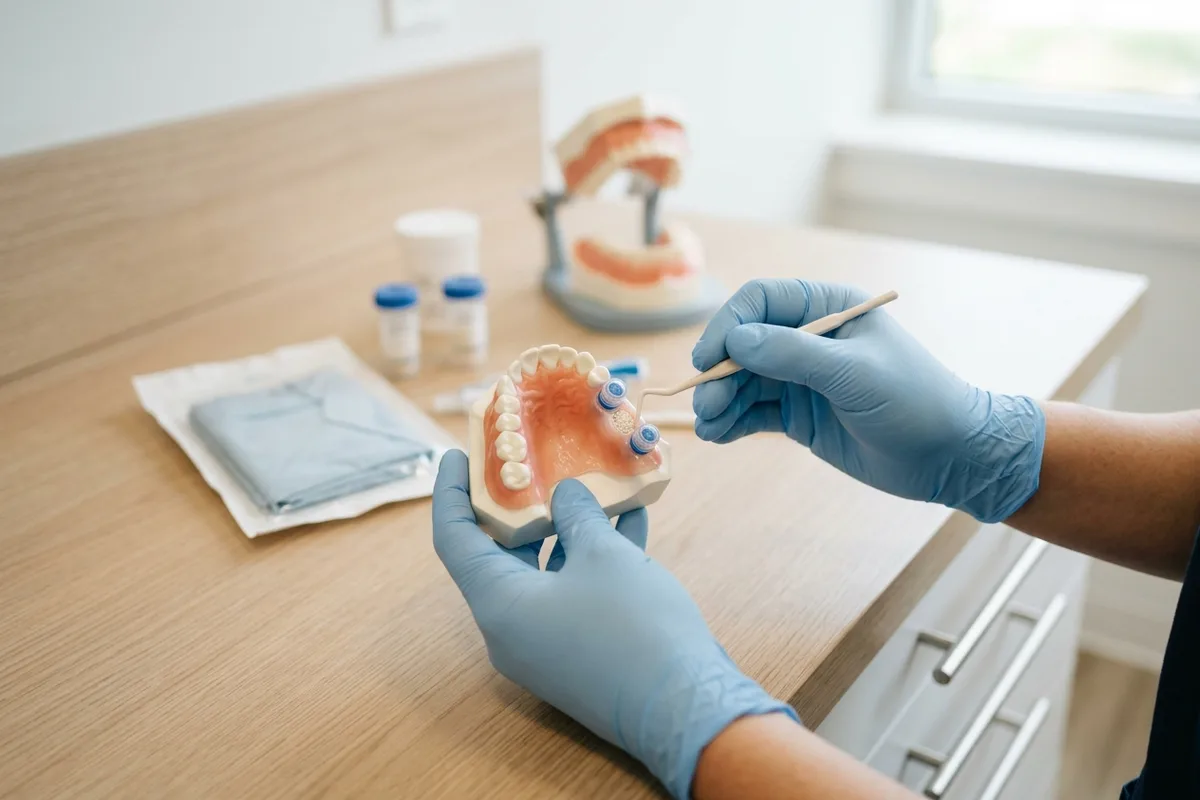
Depending on where the bone loss has occurred, your dentist may recommend a surgical technique to build up the jawbone for implant placement.[4]
Sinus Augmentation
The upper back jaw can be challenging for implant placement due to insufficient bone and its close proximity to the sinus. A sinus augmentation can help correct this by raising the sinus floor and developing new bone in the void.[4]
Ridge Modification
Deformities in the upper or lower jaw can leave an inadequate amount of bone. During a ridge modification, the gum is lifted away to expose the defect, which is then filled with a bone substitute to build up the ridge.[4]
Implant Healing and Long-Term Care
After implant placement, follow your dentist’s oral hygiene instructions and attend regular dental visits. These visits allow your dentist to monitor the implant, teeth, and gums.[3][4]
The Osseointegration Process
After implant placement, bone grows around the implant in a process called osseointegration. Implant healing can take several months or longer.[2][3]
Oral Hygiene and Maintenance
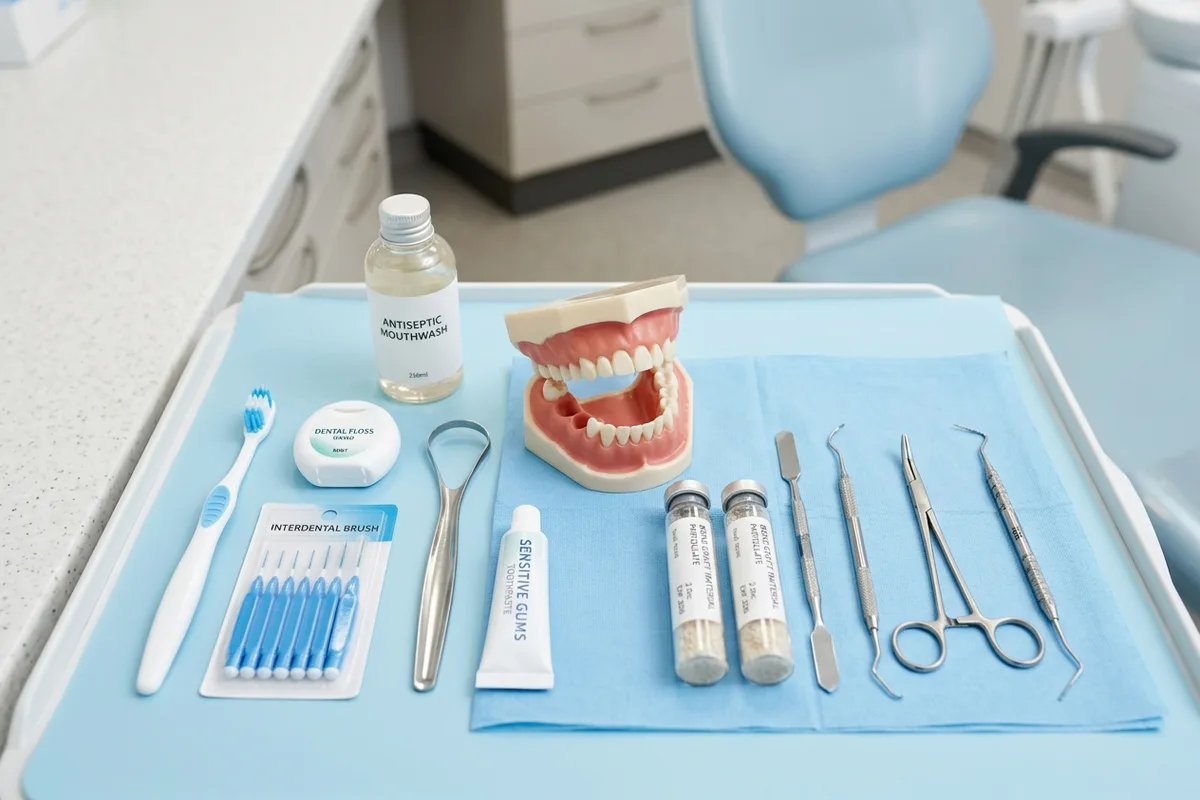
Maintaining good oral hygiene helps keep dental implants healthy. Brush, floss, and attend regular dental visits so your dentist can monitor the implant and surrounding tissues.[4][5]
- Brush twice a day with a fluoride toothpaste.
- Floss regularly to remove plaque from between teeth.
- Schedule routine dental visits for professional cleanings and monitoring.
Understanding Surgical Risks and Next Steps
Discuss the potential complications of implant surgery with your provider to help you make an informed decision about your dental care.[3]
Potential Implant Complications and Risk Factors
Risks associated with implant surgery include delayed healing, systemic or local infection, sinus perforation, and post-surgical numbness due to nerve impingement. Using tobacco products can slow healing and reduce long-term implant success.[2][3]
Sources
- Bone grafts in dentistry - PMC — pmc.ncbi.nlm.nih.gov
- Implants | MouthHealthy - Oral Health Information from the ADA — American Dental Association
- Dental Implants: What You Should Know | FDA — U.S. Food and Drug Administration
- Dental Implant Procedures - American Academy of Periodontology — American Academy of Periodontology
- Periodontal (Gum) Disease | NIDCR — National Institute of Dental and Craniofacial Research
Common questions
Frequently asked questions
Talk with Leland Dentistry & Implants about your next step
If you have questions about your dental bone graft cost or want to explore your restorative options, book an appointment at Leland Dentistry & Implants. Our team is here to help you understand your individual written estimate.